
How to Waterproof New Cowboy Boots | The Complete Guide to Protecting Your Boots
New cowboy boots look their best when the leather is clean, flexible, and protected from moisture. Although many quality leather boots can handle occasional rain, traditional cowboy boots are not automatically waterproof. Applying the right protective treatment before your first wet-weather outing can help reduce water absorption, stains, drying, and premature leather damage.
The key is to use a waterproofing method that matches the boot material. Smooth leather, suede, nubuck, and exotic skins can require very different products and techniques. Waterproofing new cowboy boots is not about covering them with a heavy layer of product—it is about creating appropriate moisture resistance without damaging the leather or changing its appearance.
Why Waterproof New Cowboy Boots?

Waterproofing your boots before regular wear gives the leather an extra layer of protection against rain, splashes, mud, and damp ground.
Benefits of Waterproofing
Proper protection can help:
- Reduce water absorption
- Minimize water spots and stains
- Protect the leather from drying out
- Make cleaning easier
- Preserve the boot’s appearance
- Improve performance during light rain
- Extend the useful life of the boots
Waterproofing does not necessarily make traditional leather cowboy boots completely waterproof. It is more accurate to think of it as improving their resistance to moisture.
Check Your Cowboy Boots Before Applying Anything:

Before treating a new pair, identify exactly what material you are working with. This is one of the most important steps because a product suitable for smooth leather may be inappropriate for suede, nubuck, or exotic leather.
Identify the Leather Type
Check the manufacturer’s label, packaging, website, or care instructions. Common materials include:
- Full-grain leather
- Top-grain leather
- Smooth finished leather
- Suede
- Nubuck
- Roughout leather
- Snakeskin
- Ostrich leather
- Alligator or crocodile leather
When the material is unclear, avoid experimenting with a random waterproofing product. A specialized product or manufacturer’s recommendation is safer.
Choose the Right Waterproofing Product
There is no single waterproofing product that is perfect for every cowboy boot. The finish and leather type should determine what you use.
For Smooth Leather
A leather-specific water-repellent spray, cream, wax, or other manufacturer-approved protector may be appropriate. The product should clearly state that it is compatible with your type of leather.
For Suede and Nubuck
Use a waterproofing spray specifically formulated for suede or nubuck. Avoid heavy oils and waxes unless the manufacturer specifically recommends them because they can alter the texture and appearance.
For Exotic Leather
Exotic cowboy boots require extra caution. Some exotic skins have unique finishes and conditioning requirements. Follow the boot manufacturer’s care instructions or use a product specifically designed for that particular skin.
Clean New Boots Before Waterproofing
Even new boots can have dust or residue on their surface. Waterproofing products generally work best when applied to a clean, dry surface.
How to Prepare the Boots
Use a soft, dry brush or cloth to remove loose dust. If the manufacturer recommends a particular leather cleaner, use that product according to its instructions.
Do not soak the boots while cleaning them. Allow them to become completely dry before applying any protective treatment.
Read Next: Can You Wear Leather Cowboy Boots In The Rain | A Complete Guide
Test the Product First
A patch test is one of the easiest ways to prevent an unwanted color or finish change.
Choose an Hidden Area
Apply a small amount of the product to an inconspicuous area, such as a less noticeable section of the boot. Allow it to dry or absorb as directed.
Check for:
- Darkening
- Discoloration
- Changes in texture
- Uneven finish
- Excessive shine
- Stiffness
If the test produces an undesirable result, do not continue over the entire boot.
How to Waterproof New Leather Cowboy Boots Step by Step
Once you know the leather is compatible with the product, the actual process is relatively straightforward.
Step 1: Remove the Laces and Accessories
If your cowboy boots have removable accessories or laces, take them off so you can reach the leather evenly. Traditional pull-on cowboy boots may not require this step.
Step 2: Make Sure the Boots Are Dry
The boots should be clean and dry unless the product instructions specifically state otherwise.
Do not waterproof boots that are already wet from rain or washing.
Step 3: Apply a Thin, Even Layer
Apply the protector according to its instructions. For sprays, hold the container at the recommended distance and use light, even passes.
For creams or waxes, use a clean cloth or applicator and work with a small amount at a time.
Avoid flooding the leather with product.
Step 4: Pay Attention to Vulnerable Areas
Give appropriate attention to seams, stitching, folds, and areas where water may enter. However, do not assume that applying more product will seal the boot completely.
The boot’s construction still determines how much water protection it can provide.
Step 5: Allow the Boots to Dry
Place the boots in a dry, well-ventilated area and allow the treatment to cure or dry according to the manufacturer’s instructions.
Keep them away from radiators, fireplaces, heating vents, and other intense heat sources.
Step 6: Remove Excess Product if Necessary
If the instructions recommend buffing, use a clean, soft cloth after the product has set. Do not aggressively rub the leather.
How Many Coats of Waterproofing Do Cowboy Boots Need?
One properly applied coat may be enough for some products, while others recommend multiple applications. Always follow the instructions on the specific product rather than assuming that more coats provide better protection.
Avoid Over-Treating New Boots
Applying too much waterproofing product can change the leather’s appearance, texture, breathability, or flexibility. A controlled, even application is usually better than repeatedly saturating the material.
Should You Use Mink Oil to Waterproof Cowboy Boots?
Mink oil is sometimes used on leather footwear, but it should not automatically be considered the best waterproofing option for every cowboy boot.
It can darken certain leather finishes and may soften leather considerably. Some manufacturers also recommend against particular oils or conditioners on specific boot materials.
Check the Manufacturer’s Instructions
If you are considering mink oil, first determine whether the boot manufacturer recommends it for your leather. For a brand-new pair of boots, using a purpose-made water-repellent product is often a more predictable approach.
Can You Use Wax to Waterproof Cowboy Boots?
Wax can provide water resistance on some types of smooth leather, but it must be used carefully. Heavy application may change the leather’s appearance and feel.
Wax Is Not Right for Every Leather
Do not use traditional wax treatments on suede or nubuck unless the manufacturer specifically says they are suitable. These materials can be permanently altered by products intended for smooth leather.
What About Waterproofing Spray?
Waterproofing spray is a convenient option because it can provide relatively even coverage without requiring heavy rubbing.
Spray Application Tips
Apply the spray in a well-ventilated area and follow the manufacturer’s recommended distance and drying time. Several light passes are generally preferable to soaking one area.
Allow the boots to dry completely before wearing them outdoors.
Should You Waterproof Brand-New Cowboy Boots Immediately?
It can be useful to protect new boots before their first exposure to wet conditions, but you should first check the manufacturer’s care recommendations.
Some boots may already have a factory-applied finish or treatment. Adding another product without checking compatibility could alter the leather.
Read the Care Instructions First
If the manufacturer recommends a particular conditioner or waterproofing treatment, prioritize those instructions over generic boot-care advice.
This is especially important for premium, exotic, suede, and specialty-finish cowboy boots.
How to Waterproof Cowboy Boots Without Changing Their Color
Color changes are one of the most common concerns when treating leather.
Use a Compatible, Color-Safe Product
Choose a product designed for the specific leather and test it first. Avoid heavy oils and darkening treatments when preserving the original color is important.
Remember that even a product marketed as color-safe can produce a subtle change on some leather finishes, which is why patch testing matters.
How to Maintain Waterproofed Cowboy Boots
Waterproofing is not a one-time treatment that lasts forever. Its effectiveness gradually decreases through wear, cleaning, friction, and exposure to the elements.
Reapply When Necessary
The correct reapplication schedule depends on the product, how often you wear the boots, and the conditions in which you use them.
Instead of applying waterproofing on a fixed schedule, look for signs that the protective effect is declining, such as water no longer beading on the surface.
What to Do If New Cowboy Boots Get Soaked
Even well-treated boots can become wet under severe conditions.
Dry Them Naturally
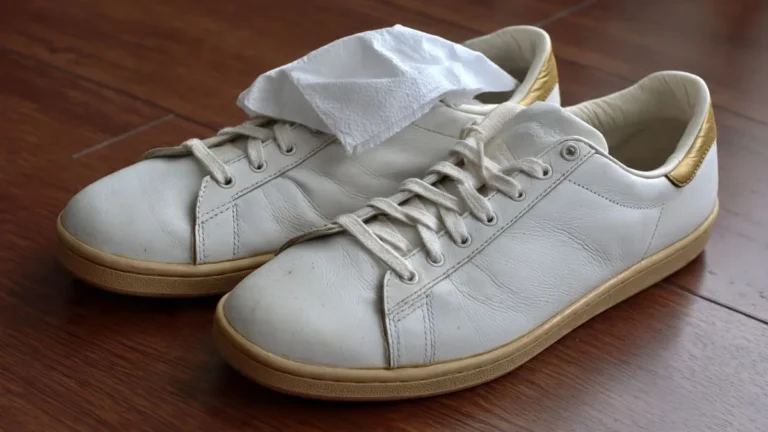
Remove excess water with a soft cloth and allow the boots to dry naturally at room temperature. You can loosely stuff them with clean paper to help absorb moisture and maintain their shape.
Never place soaked leather boots directly next to a heater or use intense heat to speed up drying.
Condition After Drying
Once the boots are completely dry, inspect the leather. If it feels unusually dry or stiff, an appropriate conditioner may help restore flexibility. Use only a product compatible with the leather.
Common Waterproofing Mistakes to Avoid
Waterproofing is simple, but several mistakes can cause unnecessary problems.
Avoid These Errors
- Using a product designed for a different leather type
- Skipping the patch test
- Applying too much product
- Waterproofing dirty boots
- Treating wet boots without checking product instructions
- Using high heat to dry treated leather
- Assuming water-resistant means completely waterproof
- Applying wax or oil to suede without manufacturer approval
- Ignoring the manufacturer’s care instructions
A little caution at the beginning can prevent expensive damage later.
How Often Should You Waterproof Cowboy Boots?
There is no universal schedule. A person who wears cowboy boots occasionally in dry weather will need less frequent treatment than someone who wears them outdoors in rain and mud.
Let the Boots Tell You
Pay attention to how water behaves on the surface. If small droplets still bead up effectively, the existing protection may still be working. If water begins absorbing rapidly into the leather, it may be time to reapply a compatible protector.
Are Waterproof Cowboy Boots Better Than Treated Leather Boots?
If you regularly work or spend extended periods outdoors in wet conditions, boots specifically designed to be waterproof can offer advantages over traditional leather boots treated with a water repellent.
Match the Boots to Your Lifestyle
For occasional rain, properly maintained leather cowboy boots may be perfectly practical. For frequent exposure to deep puddles, heavy rain, wet grass, or muddy work environments, purpose-built waterproof boots are generally the more suitable option.
FAQs About Waterproofing New Cowboy Boots
Can you waterproof cowboy boots when they are brand new?
Yes, but check the manufacturer’s care instructions first. Some new boots already have a protective finish, and the wrong product can change their appearance.
What is the best way to waterproof leather cowboy boots?
Use a water-repellent product specifically compatible with the boot’s leather. Clean and dry the boots first, test the product in an inconspicuous area, then apply it evenly according to the product directions.
Can I use waterproofing spray on leather cowboy boots?
Yes, if the spray is specifically designed for that type of leather. Always perform a patch test before treating the entire boot.
Does waterproofing make cowboy boots completely waterproof?
Usually not. Traditional leather cowboy boots can become more water-resistant after treatment, but waterproofing the leather does not necessarily make the entire boot waterproof.
Should I use mink oil on new cowboy boots?
Only if it is compatible with the leather and recommended by the manufacturer. Mink oil can darken or soften some leather.
Can I waterproof suede cowboy boots?
Yes, but use a protector specifically formulated for suede or nubuck. Products intended for smooth leather may damage or change the texture of suede.
How long does waterproofing last on cowboy boots?
It varies depending on the product, boot usage, weather exposure, and cleaning. Heavy outdoor use generally requires more frequent maintenance than occasional indoor wear.
Can I waterproof cowboy boots with beeswax?
Beeswax-based treatments can provide water resistance for some smooth leather, but they are not appropriate for every boot. Check the leather type and manufacturer’s recommendations first.
Will waterproofing darken leather cowboy boots?
Some products can darken leather. Testing the product on a hidden area before full application is the safest way to check for color changes.
Can I wear newly waterproofed cowboy boots immediately?
That depends on the product. Some treatments need time to dry or cure before the boots are worn. Follow the product’s recommended drying time.
Is it necessary to waterproof cowboy boots?
Not always. If you mainly wear your boots indoors or in dry conditions, waterproofing may be less important. It becomes more useful when the boots will regularly encounter rain, wet grass, mud, or damp environments.