
How To Care For Leather Sole Cowboy Boots | A Complete Guide to Cleaning
Leather sole cowboy boots have a distinctive feel that many boot enthusiasts appreciate. They can be comfortable, flexible, stylish, and capable of developing a beautiful patina as they age. However, leather soles require different care from rubber soles because they are more affected by moisture, rough surfaces, and prolonged wear.
Learning how to care for leather sole cowboy boots can help protect both the uppers and the soles while extending the life of your favorite pair. Regular cleaning, sensible conditioning, proper drying, and timely sole maintenance are the foundation of good cowboy boot care.
Why Leather Sole Cowboy Boots Need Special Care
A leather sole is made from natural material, so it responds to moisture and environmental conditions differently from synthetic rubber.
What Makes Leather Soles Different?
Leather soles can gradually develop scuffs and wear as you walk. They may also absorb moisture when exposed to rain, wet pavement, or puddles.
Unlike heavily lugged rubber soles, traditional leather soles can offer a smooth and flexible walking experience. The trade-off is that they generally require more attention when used in harsh or consistently wet environments.
How Often Should You Clean Leather Sole Cowboy Boots?
There is no single cleaning schedule that works for everyone. How often you clean your boots should depend on how frequently you wear them and where you wear them.
A Simple Maintenance Schedule
For occasional indoor or city wear, brushing away dust after several wears may be enough. Boots used outdoors, around dirt, or in dusty conditions may need more frequent cleaning.
A useful routine is:
- Brush off loose dirt regularly.
- Wipe away surface grime when necessary.
- Clean the leather when it becomes noticeably dirty.
- Condition the uppers when the leather begins to look or feel dry.
- Inspect the soles and heels regularly for excessive wear.
Avoid cleaning leather boots simply for the sake of cleaning them. Excessive washing can remove natural oils from the leather.
How to Clean Leather Sole Cowboy Boots:

Cleaning starts with removing dry dirt before introducing any moisture.
Step-by-Step Cleaning
- Remove loose dirt with a soft brush.
- Wipe the uppers with a clean, slightly damp cloth if necessary.
- Use a leather cleaner appropriate for the specific leather.
- Apply the cleaner sparingly rather than soaking the boots.
- Wipe away residue according to the product instructions.
- Allow the boots to dry naturally.
- Condition the leather if needed.
The leather sole itself can usually be brushed or wiped carefully. Avoid saturating it with water.
Should You Condition Leather Sole Cowboy Boots?
Conditioning is primarily intended for the leather uppers rather than treating the sole like a piece of upholstery.
A suitable leather conditioner can help prevent the upper leather from becoming excessively dry and brittle.
Where Should Conditioner Be Applied?
Apply conditioner according to the manufacturer’s instructions, concentrating on the leather upper. Avoid unnecessarily coating the walking surface of the sole because excess oils or conditioners can affect traction and make the sole slippery.
For the same reason, avoid treating the heel or sole with products unless they are specifically intended for that purpose.
How to Protect Leather Soles From Water
Water is one of the biggest concerns when caring for leather sole cowboy boots.
Leather soles can become softer when wet and may wear more quickly if they are repeatedly exposed to moisture.
What to Do in Rain
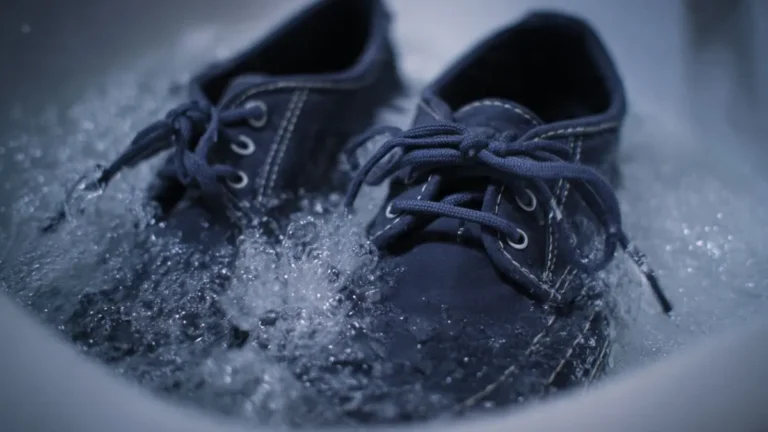
Try to avoid puddles, standing water, and prolonged exposure to wet conditions. If the boots become wet, remove excess moisture with a soft cloth and allow them to dry naturally.
Do not place wet boots directly beside a radiator, heater, fireplace, or other intense heat source. Rapid drying can cause leather to become stiff or damaged.
Can You Wear Leather Sole Cowboy Boots in the Rain?
You can, but they are not the ideal choice for prolonged wet weather.
A brief walk in light rain does not necessarily ruin leather sole cowboy boots. However, repeated exposure to heavy rain can accelerate sole wear and affect the leather upper.
When to Choose Different Boots
Consider weather-resistant footwear when you expect:
- Heavy rain
- Deep puddles
- Wet trails
- Muddy work
- Standing water
- Long periods outdoors
Leather sole cowboy boots are generally better suited to relatively dry conditions.
How to Dry Wet Leather Sole Cowboy Boots
If your boots get wet, drying them correctly is essential.
The Natural Drying Method
Remove excess water using a clean cloth and let the boots dry at room temperature in a well-ventilated area.
You can use clean paper inside the boots to help absorb moisture and maintain their shape. Replace the paper if it becomes damp.
Allow the boots to dry completely before wearing them again.
Read Next: How to Waterproof New Cowboy Boots | The Complete Guide
Why You Should Avoid Heat:
It may be tempting to speed up drying with a hair dryer or heater, but intense heat can cause problems.
Heat Can Damage Leather
High temperatures can remove moisture and oils too quickly. This may contribute to:
- Cracking
- Stiffness
- Shrinking
- Warping
- Changes in shape
- Premature deterioration
Patience is usually the safer approach when drying leather boots.
How to Prevent Leather Soles From Wearing Out Quickly
Leather soles naturally wear with use. You cannot prevent all wear, but you can reduce unnecessary damage.
Choose Your Walking Surfaces Carefully
Whenever practical, avoid repeatedly walking on:
- Gravel
- Sharp rocks
- Deep mud
- Standing water
- Rough construction surfaces
Hard, abrasive surfaces can wear leather soles faster than smooth indoor floors.
Should You Add Rubber Sole Protectors?
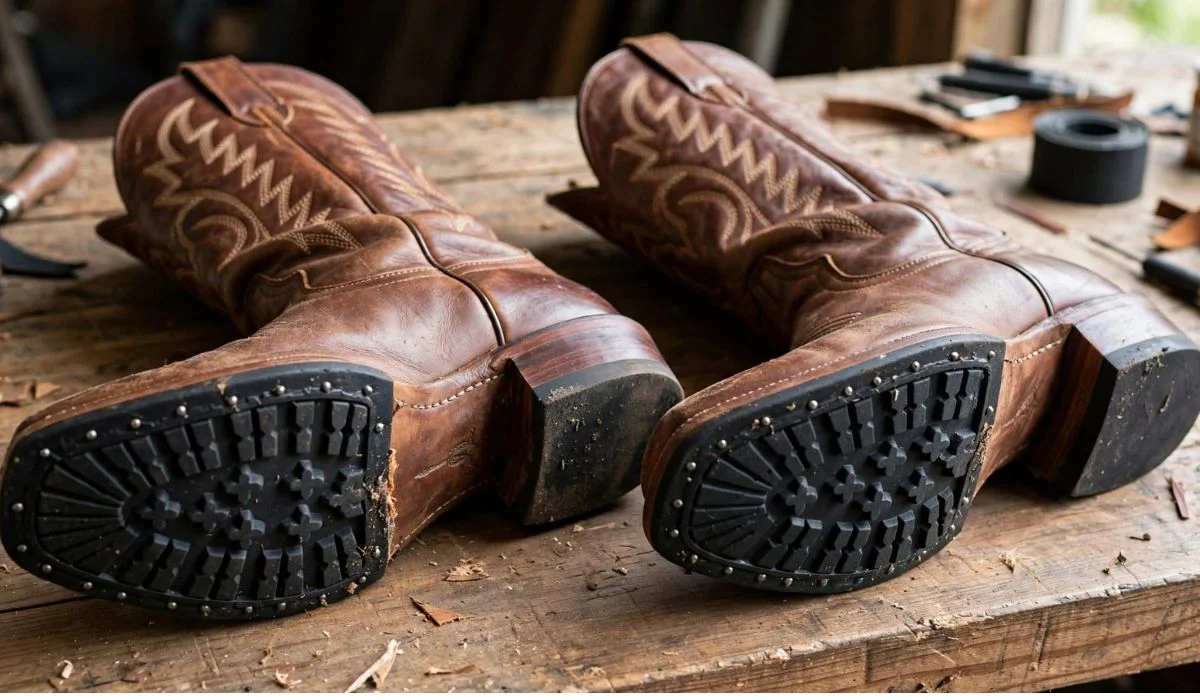
Some cowboy boot owners choose to have a thin rubber sole protector installed over the leather sole.
This can provide additional protection against moisture and abrasion while retaining much of the original boot construction.
When Sole Protectors Make Sense
A protector may be worth considering if you:
- Walk extensively on pavement
- Frequently encounter wet sidewalks
- Want to reduce leather sole wear
- Want longer intervals between resoles
- Prefer additional traction
Installation is best handled by a qualified cobbler, particularly when preserving the original construction is important.
How to Inspect Leather Soles
Regular inspections can help you identify problems before they become expensive repairs.
Look for These Warning Signs
Check for:
- Deep cracks
- Excessive thinning
- Uneven wear
- Separation around the sole edge
- Loose stitching
- Damaged heel components
- Areas where the sole is becoming unusually soft
- Water-related deterioration
You do not need to inspect your boots every day. A quick check every few weeks is reasonable for frequently worn boots.
When Should Leather Sole Cowboy Boots Be Resoled?

Eventually, every frequently worn leather sole will require replacement or repair.
There is no universal mileage number because walking style, body weight, terrain, boot construction, and frequency of use all influence wear.
Signs It Is Time for a Resole
Consider visiting a cobbler when the sole has become very thin, developed significant cracks, or is wearing unevenly. If stitching or construction is becoming compromised, delaying repair can potentially make restoration more complicated.
Getting professional advice early can help protect the rest of the boot.
How to Store Leather Sole Cowboy Boots
Good storage is an important part of leather boot maintenance.
Keep Boots Dry and Supported
Store cowboy boots in a cool, dry location away from direct sunlight and excessive heat.
Boot trees can help maintain the shape of the boot and reduce creasing. If you do not have boot trees, store the boots upright and avoid placing heavy objects on them.
Do not store leather boots while they are still damp.
Use Boot Trees for Better Shape Retention:

Cowboy boots naturally develop creases around areas that flex while walking. Boot trees can help maintain the shape of the leather between wears.
Why Boot Trees Help
They can:
- Support the boot shaft and foot area
- Reduce excessive creasing
- Help the interior dry between wears
- Maintain the boot’s overall shape
Wooden boot trees can also help absorb some moisture from the interior.
Give Your Boots Rest Days
Leather benefits from having time to dry and recover between wears.
Avoid Wearing the Same Pair Every Day
If possible, rotate between two or more pairs of boots. Giving each pair time to air out between wears can reduce accumulated moisture and help the leather maintain its condition.
This is particularly useful if you wear cowboy boots for long periods.
How to Care for Leather Soles During Winter
Winter can be especially demanding on leather sole cowboy boots.
Snow, slush, moisture, and road salt can all create problems.
Remove Salt and Grime Promptly
If your boots encounter salty or dirty winter conditions, clean them according to the leather manufacturer’s instructions. Do not allow salt residue to remain on the leather for extended periods.
After cleaning, dry the boots naturally and condition the uppers if appropriate.
Common Leather Sole Cowboy Boot Care Mistakes
Some boot problems come from using too much product rather than too little.
Avoid These Mistakes
- Soaking the boots during cleaning
- Applying excessive conditioner
- Putting oil on the walking surface
- Drying boots with intense heat
- Wearing leather soles regularly in deep water
- Ignoring worn heels
- Waiting too long to repair damaged soles
- Storing boots while damp
- Using products that are incompatible with the leather
- Assuming leather soles require the same care as rubber soles
A simple maintenance routine is usually better than aggressive treatment.
How to Make Leather Sole Cowboy Boots More Comfortable
Leather soles often become more comfortable as they break in.
Let the Boots Adapt Gradually
Wear new boots for shorter periods at first, particularly if the leather is firm. Gradual wear allows the leather and footbed to adapt without putting unnecessary stress on the boots.
Comfort should improve naturally as the boots break in. Persistent discomfort, however, may indicate an incorrect fit.
Can You Polish Leather Sole Cowboy Boots?
Polishing is generally intended for the leather upper, not the part of the sole that contacts the ground.
Keep Polish Away From the Walking Surface
If you polish the upper, apply the product carefully and prevent it from spreading onto the sole. Polish or wax on the walking surface can reduce traction and create a slipping hazard.
FAQs About Caring for Leather Sole Cowboy Boots
How do you clean leather sole cowboy boots?
Brush away dry dirt first, then use a leather-safe cleaner sparingly on the upper when necessary. Avoid soaking the boots, and let them dry naturally afterward.
Should you oil leather soles?
Generally, avoid applying oil or conditioner to the walking surface unless the manufacturer specifically recommends a product for that purpose. Excess oil can affect traction and change how the sole wears.
Can leather sole cowboy boots get wet?
Yes, but prolonged or repeated exposure to water can accelerate wear. If they get wet, dry them naturally and avoid intense heat.
How often should you condition leather cowboy boots?
Conditioning frequency depends on the leather, how often the boots are worn, and the environment. Condition when the leather begins to look or feel dry, following the manufacturer’s recommendations.
Can I wear leather sole cowboy boots every day?
You can, but rotating footwear can be beneficial. Giving boots time to air out between wears can help manage moisture and preserve their condition.
Are leather sole cowboy boots slippery?
New or smooth leather soles can feel slippery on certain surfaces, especially when wet. Traction varies with the sole construction and walking surface.
How long do leather soles last on cowboy boots?
There is no fixed lifespan. Wear depends on how often the boots are used, walking surfaces, gait, construction, and maintenance. Frequent outdoor use generally causes faster wear.
When should I replace leather boot soles?
A resole may be appropriate when the sole becomes significantly thin, cracked, uneven, or structurally compromised. A professional cobbler can assess whether the sole can be repaired or needs replacement.
Can you put rubber soles over leather cowboy boot soles?
A cobbler can often install a thin rubber sole protector over compatible leather soles. This can improve durability and traction while protecting the original sole.
Do leather sole cowboy boots need boot trees?
Boot trees are not mandatory, but they can help maintain shape, reduce excessive creasing, and allow the boots to air out between wears.
How do you store leather sole cowboy boots?
Store them in a cool, dry, ventilated location away from direct heat and sunlight. Make sure they are completely dry before storing them, and consider using boot trees to maintain their shape.
Final Thoughts
Knowing how to care for leather sole cowboy boots comes down to consistent, gentle maintenance. Keep the leather clean, condition the uppers when needed, protect the boots from prolonged moisture, dry them naturally, and inspect the soles regularly.
Leather soles are designed to wear, so some scuffing and gradual thinning are completely normal. The goal is not to keep them looking untouched forever—it is to maintain the leather, recognize wear early, and repair the boots before small problems become major ones.
With proper care and occasional professional maintenance, a quality pair of leather sole cowboy boots can remain comfortable, attractive, and wearable for many years.