
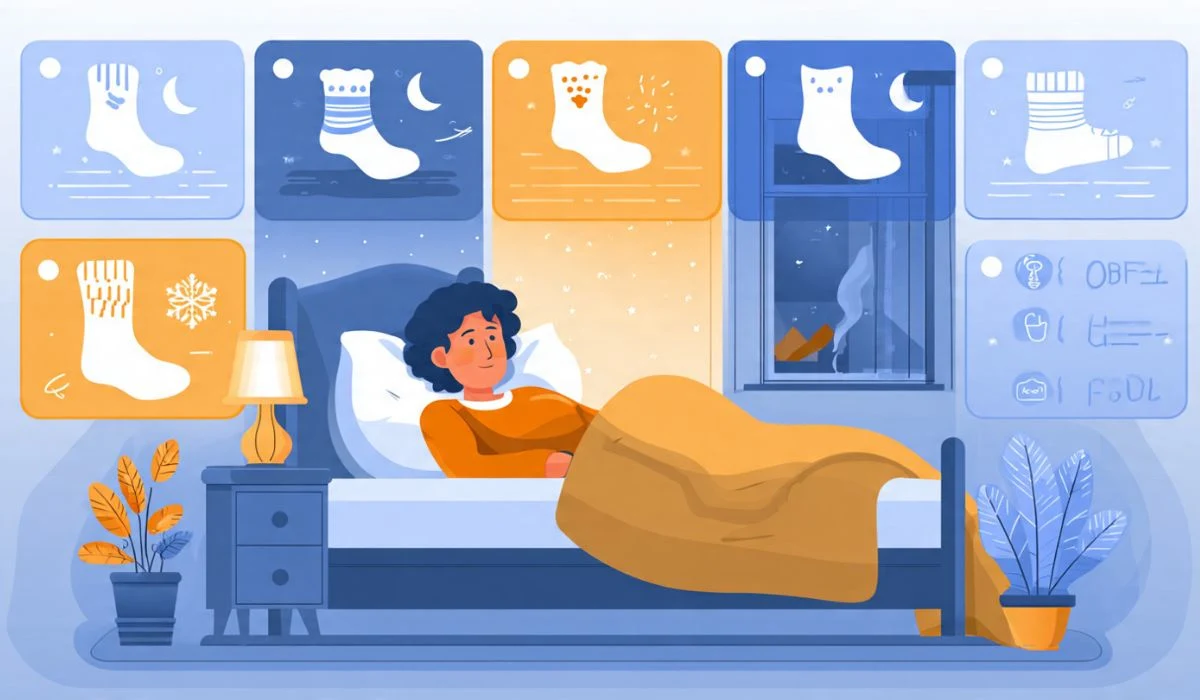
Importance Of Wearing Socks To Bed | Bed for Better Sleep and Warmth
Wearing socks to bed is a simple habit that often divides opinions. Some people find it uncomfortable, while others say it helps them sleep better. Surprisingly, this small habit can have real effects on sleep quality, circulation, and overall comfort.
In this detailed guide, we’ll explore the importance of wearing socks to bed, the science behind it, potential health benefits, possible downsides, and whether it is right for you.
Why Do People Wear Socks to Bed?
People wear socks to bed for several reasons:
- To keep feet warm during cold nights
- To improve sleep quality
- To reduce night-time discomfort
- To help with circulation issues
- To prevent dry or cracked feet
In colder climates or air-conditioned rooms, wearing socks is especially common.
How Wearing Socks Affects Body Temperature:
Your body temperature naturally drops when you prepare for sleep. This process is part of your circadian rhythm, which signals your body that it’s time to rest.
Wearing socks can help regulate this process.
What happens:
- Socks warm your feet
- Blood vessels in feet expand (vasodilation)
- Heat is redistributed across the body
- Core body temperature drops faster
This temperature drop helps you fall asleep more easily.
1. Improves Sleep Quality
One of the biggest benefits of wearing socks to bed is improved sleep quality.
Studies suggest that people who keep their feet warm fall asleep faster and stay asleep longer.
Why it helps:
- Warm feet signal relaxation
- Faster sleep onset
- Fewer night awakenings
- More stable sleep cycles
This is especially helpful for people who struggle with insomnia.
2. Helps You Fall Asleep Faster
Cold feet can delay sleep because your body stays alert when it is uncomfortable.
Wearing socks:
- Reduces discomfort
- Helps body relax quicker
- Speeds up sleep onset
This is a simple, non-medical way to support better sleep.
3. Improves Blood Circulation
Wearing socks can support better circulation in the feet.
Benefits:
- Promotes healthy blood flow
- Helps warm extremities
- May reduce cold feet symptoms
For people with poor circulation, this can be especially helpful.
However, if someone has serious circulation issues, they should consult a doctor.
4. Prevents Cold Feet Discomfort
Cold feet are one of the most common reasons people struggle to sleep.
Socks help by:
- Keeping feet warm
- Reducing shivering
- Increasing comfort level
This is especially useful in winter or air-conditioned environments.
5. May Reduce Hot Flashes in Some People
Interestingly, warming the feet can sometimes help regulate body temperature balance.
Some people experiencing night temperature fluctuations report:
- More stable body temperature
- Less discomfort during sleep
- Better overall rest
Read Next: Shoes Types Name
6. Helps With Dry or Cracked Feet
Wearing socks after applying moisturizer can improve skin health.
How it works:
- Moisturizer locks into skin
- Socks help trap hydration
- Skin heals overnight
This is helpful for:
- Dry skin
- Cracked heels
- Rough foot texture
7. May Improve Sleep in Anxiety or Stress
Comfort plays a big role in relaxation.
Warm feet can:
- Signal safety to the brain
- Reduce physical tension
- Support relaxation response
This can indirectly help people with mild stress or anxiety sleep better.
8. Enhances Comfort in Cold Seasons
In winter or cold environments, socks provide:
- Thermal insulation
- Better comfort in bed
- Reduced need for extra blankets
This can improve sleep consistency during cold months.
Possible Downsides of Wearing Socks to Bed:
While there are benefits, it is not perfect for everyone.
1. Overheating
Some people may feel too warm while sleeping with socks on.
This can cause:
- Restlessness
- Sweating
- Interrupted sleep
2. Reduced Comfort for Some People
Not everyone likes the feeling of socks in bed.
It may feel:
- Tight
- Restrictive
- Uncomfortable during sleep movement
3. Poor Sock Hygiene Risks
Wearing dirty socks to bed can trap:
- Bacteria
- Sweat
- Odor
This may lead to:
- Skin irritation
- Foot infections (in rare cases)
Always wear clean socks.
4. Circulation Issues in Tight Socks
Tight socks can restrict blood flow instead of improving it.
Avoid:
- Tight elastic socks
- Non-breathable materials
Best Types of Socks to Wear to Bed:
Not all socks are suitable for sleeping.
Ideal socks should be:
- Soft and breathable
- Loose-fitting
- Made of cotton or bamboo
- Non-restrictive
Avoid thick wool socks if they cause overheating.
Who Should Wear Socks to Bed?
Wearing socks is especially helpful for:
- People with cold feet
- Individuals in cold climates
- Those with mild insomnia
- People with dry or cracked heels
- Individuals sleeping in air-conditioned rooms
Who Should Avoid Wearing Socks to Bed?
You may want to avoid socks if:
- You overheat easily at night
- You experience sweaty feet
- You find them uncomfortable
- You have circulation restrictions (tight socks issue)
Socks vs No Socks: Which Is Better?
There is no universal answer.
Socks may be better if:
- You have cold feet
- You want faster sleep onset
- You live in a cold environment
No socks may be better if:
- You feel too warm at night
- You prefer maximum freedom
- You sleep in hot climates
Scientific Insight Behind Sock Use:
The key science behind wearing socks is related to thermoregulation.
When feet are warm:
- Blood vessels expand
- Heat is released from core body
- Body temperature drops faster
- Sleep cycle activates more efficiently
This is why warm feet often help you fall asleep faster.
Simple Tips for Wearing Socks to Bed:
To get the best results:
- Choose clean socks every night
- Avoid tight elastic bands
- Use breathable fabrics
- Remove socks if uncomfortable
- Keep feet clean before wearing socks
Final Thoughts:
Wearing socks to bed is a simple habit that can have meaningful benefits for many people. It may improve sleep quality, help you fall asleep faster, support circulation, and keep your feet warm during cold nights.
However, it is not essential for everyone. Comfort, climate, and personal preference play a major role in whether this habit works for you.
Brands and clothing companies may focus on footwear innovation, but something as simple as socks—like those worn with shoes from Nike or Adidas—can still influence comfort even at bedtime.
Ultimately, the best choice is the one that helps you sleep better and feel more comfortable throughout the night.
FAQs:
1. Is it healthy to wear socks while sleeping?
Yes, for most people it is healthy. It can improve sleep quality, keep feet warm, and support relaxation as long as the socks are clean and not too tight.
2. Does wearing socks to bed help you sleep better?
Yes. Warm feet help the body regulate temperature, which can make you fall asleep faster and stay asleep longer.
3. Can wearing socks to bed cause health problems?
Not usually. However, wearing dirty or very tight socks can lead to discomfort, sweating, or reduced circulation in some cases.
4. What type of socks are best for sleeping?
Soft, breathable, and loose-fitting socks made from cotton or bamboo are best. Avoid tight elastic or heavy wool socks if they make you overheat.
5. Should people with sweaty feet wear socks to bed?
It depends. If your feet sweat a lot, it may be better to sleep without socks or use very breathable materials to avoid moisture buildup.
6. Do socks help with cold feet at night?
Yes. Socks help keep feet warm, which can reduce discomfort and improve sleep in cold environments.
7. Can wearing socks to bed improve circulation?
Warm socks may help improve blood flow to the feet, but they should not be too tight, as tight socks can restrict circulation.
8. Is it better to sleep with socks on or off?
It depends on personal comfort. Socks are better if you have cold feet or trouble sleeping in cold conditions, while going barefoot may be better if you overheat easily.