Is It Disrespectful To Wear Shoes In The House? Cultural Etiquette Explained
Whether it is disrespectful to wear shoes in the house depends on culture, household rules, hygiene habits, and personal preferences. In some homes, wearing shoes indoors is considered completely normal. In others, it is seen as dirty, impolite, or even disrespectful.
There is no universal rule—but there are strong cultural and practical reasons why many people avoid wearing outdoor shoes inside the home.
In this detailed guide, we’ll explore the cultural meaning, health concerns, hygiene impact, pros and cons, and how different countries view the practice of wearing shoes indoors.
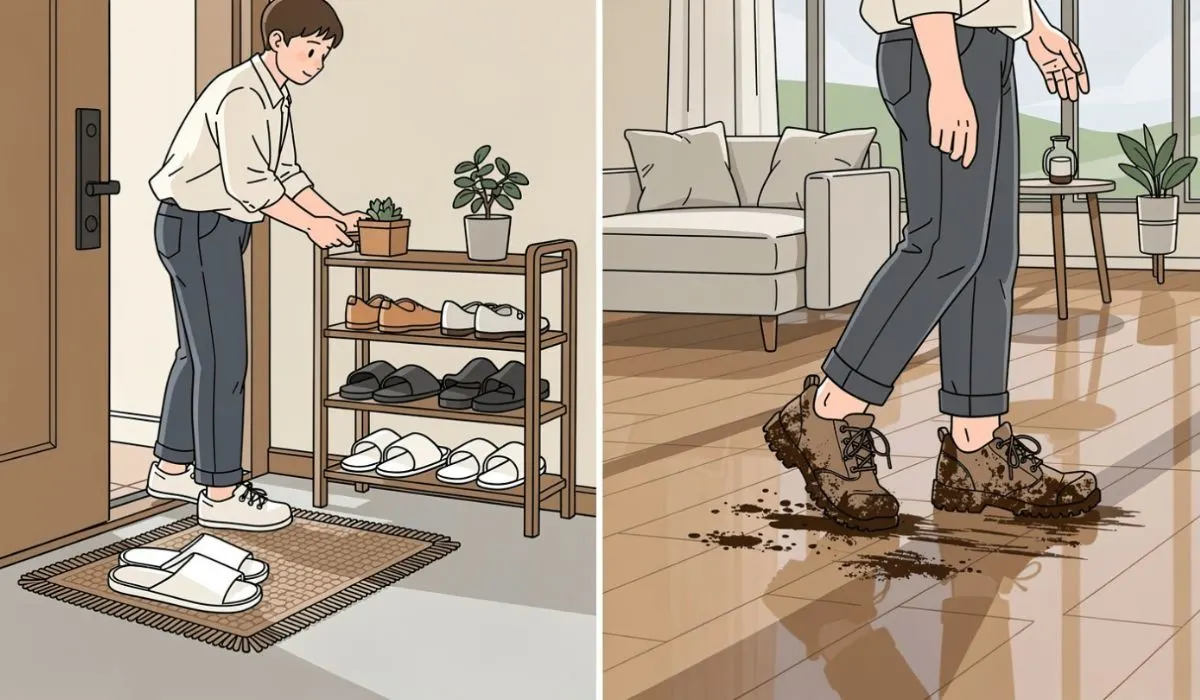
What Does Wearing Shoes in the House Actually Mean?
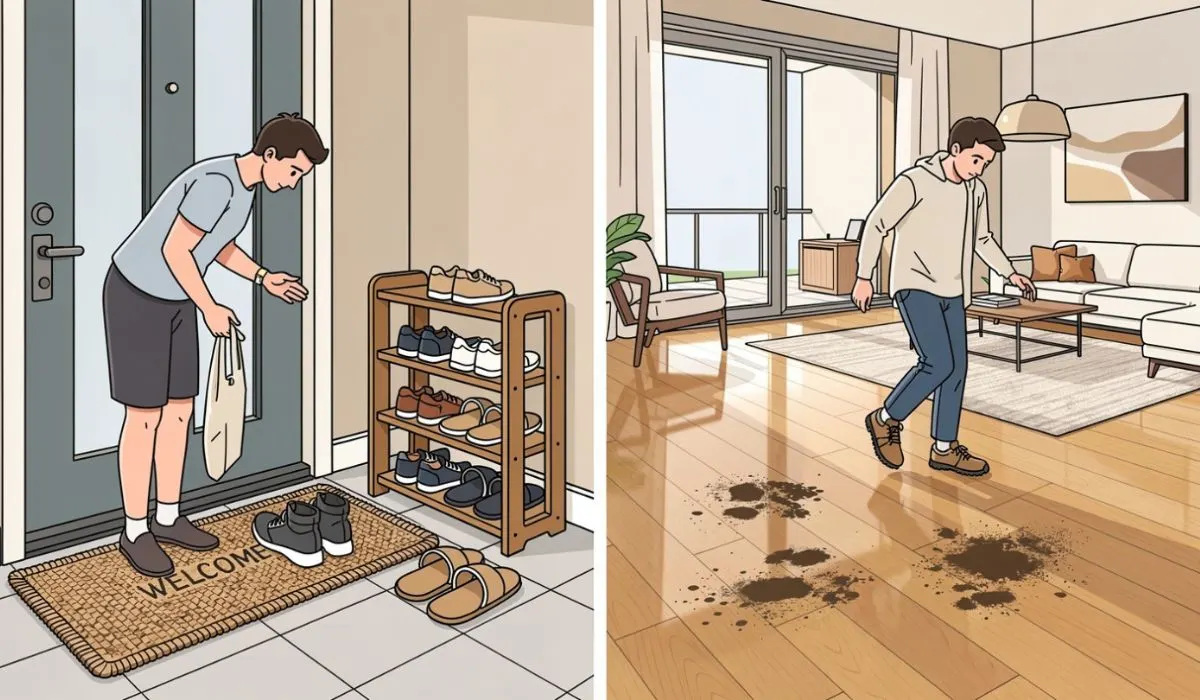
Wearing shoes inside the house simply means keeping outdoor footwear on while walking indoors instead of removing them at the entrance.
These shoes usually carry:
- Dust and dirt from outside
- Germs and bacteria from public surfaces
- Chemicals from roads and pavements
- Mud, sand, or moisture
Because of this, many households have strong opinions about whether shoes should be worn indoors.
Is It Disrespectful to Wear Shoes Indoors?
Short answer:
It can be considered disrespectful in some cultures and households, but not in others.
Respect is defined by:
- Household rules
- Cultural expectations
- Cleanliness standards
- Personal comfort
For example, entering a home with shoes in a culture where shoes are strictly removed may be seen as disrespectful to the home environment and cleanliness.
But in other cultures, it is completely normal.
Read Next: Importance Of Wearing Socks
Cultural Views Around the World:
Different regions have very different attitudes toward shoes indoors.
1. Countries Where Shoes Are Usually Removed
In many Asian countries, removing shoes before entering a home is standard practice.
This includes:
- Bangladesh
- Japan
- Korea
- India (many households)
In these cultures, shoes are seen as carrying outside dirt into a clean living space.
For example, in countries like Japan, removing shoes before entering a home is deeply rooted in tradition and respect.
In these cultures, wearing shoes indoors may be considered:
- Unclean
- Disrespectful
- Rude to the homeowner
2. Countries Where Shoes Indoors Are More Acceptable
In many Western countries, wearing shoes inside is more common, especially in:
- The United States
- Parts of the United Kingdom
- Some European homes
However, even in these places, many families still prefer no-shoe policies indoors for hygiene reasons.
Hygiene Reasons for Not Wearing Shoes Indoors:
One of the strongest arguments against wearing shoes inside is hygiene.
1. Germs and Bacteria
Shoes pick up bacteria from:
- Public toilets
- Sidewalks
- Roads
- Public transport
Studies have shown that shoes can carry thousands of microorganisms.
2. Dirt and Dust
Even if shoes look clean, they carry:
- Fine dust particles
- Soil
- Pollutants
- Allergens
All of these enter your home when shoes are worn inside.
3. Chemical Exposure
Shoes can carry chemicals like:
- Pesticides from outdoor areas
- Cleaning chemicals from public spaces
- Road salt in colder regions
These chemicals should not be spread inside living spaces.
Health Concerns Linked to Wearing Shoes Indoors:
1. Allergies
Dust and pollen from shoes can worsen:
- Asthma
- Allergic rhinitis
- Eye irritation
2. Respiratory Issues
Indoor air quality decreases when shoes bring in pollutants.
3. Child Safety
Children often play on floors, so exposure to shoe-borne germs is a concern.
Psychological and Social Aspects:
Beyond hygiene, wearing shoes indoors can also have social meaning.
In many homes, asking someone to remove shoes is seen as:
- A sign of cleanliness
- Respect for shared space
- Care for the home environment
Not removing shoes in such homes may be interpreted as:
- Ignoring house rules
- Lack of respect
- Disregard for cleanliness
However, in other settings, it may simply not matter.
When It Is NOT Considered Disrespectful:
Wearing shoes in the house is not disrespectful when:
- The homeowner allows it
- Cultural norms support it
- The house has no strict no-shoe rule
- Shoes are clean indoor-only footwear
For example, some people have “indoor shoes” used only inside the home.
Indoor Shoes vs Outdoor Shoes:
Some households use a hybrid approach:
Outdoor shoes:
- Worn outside only
- Removed at entrance
Indoor shoes:
- Clean slippers or house shoes
- Used only inside
This system maintains comfort while protecting hygiene.
Advanes of Wearing Shoes Indoors:
Although often discouraged, there are some practical benefits:
1. Convenience
No need to remove shoes when entering briefly.
2. Foot Protection
Useful in homes with:
- Cold floors
- Hard surfaces
3. Medical Reasons
Some people with foot pain need supportive footwear indoors.
Disadvanes of Wearing Shoes Indoors:
1. Reduced Cleanliness
Brings dirt and germs inside.
2. Floor Damage
Shoes can scratch or wear flooring materials.
3. Odor and Hygiene Issues
Increases cleaning frequency and odor buildup.
4. Cultural Insensitivity
May be seen as disrespectful in certain homes.
Why Many Families Prefer No Shoes Indoors:
Most households prefer removing shoes because:
- It keeps floors clean longer
- Reduces cleaning effort
- Improves indoor air quality
- Creates a more comfortable home environment
This is especially important in families with children or elderly members.
How to Politely Follow Shoe Etiquette in Someone’s Home:
If you visit someone’s house, follow these simple steps:
- Observe if shoes are removed at the entrance
- Ask politely if unsure
- Remove shoes if others are barefoot or in slippers
- Respect the host’s preference
This shows cultural awareness and respect.
What Experts Say About Indoor Shoes:
Health and hygiene experts generally recommend:
- Removing outdoor shoes indoors
- Using separate indoor footwear if needed
- Cleaning floors regularly if shoes are allowed
This reduces exposure to harmful particles.
How Different Homes Handle the Rule:
There are typically three types of households:
Strict no-shoe homes
- Shoes removed immediately at entrance
- Slippers provided
Flexible homes
- Shoes allowed in some areas
- Restricted in bedrooms or kitchens
Shoe-allowed homes
- Shoes worn freely indoors
- Regular cleaning required
Last Call:
So, is it disrespectful to wear shoes in the house?
The answer depends entirely on culture, household rules, and expectations.
- In many Asian cultures, especially in countries like Japan, it is often seen as disrespectful and unhygienic.
- In many Western households, it may be acceptable depending on personal preference.
From a hygiene standpoint, removing shoes is generally better for cleanliness and health. From a cultural standpoint, respecting the rules of the home is what truly matters.
Ultimately, the most respectful approach is simple: follow the homeowner’s preference and local customs.