
Eva Sole Material Is Good or Bad | Need to Know Before Buying
EVA sole material is widely used in modern footwear because it is lightweight, flexible, cushioning, and relatively inexpensive to manufacture. You can find EVA in running shoes, sandals, slippers, casual shoes, children’s footwear, and many other products.
But is EVA actually a good sole material?
The answer depends on what you expect from your shoes. EVA can be an excellent choice when low weight and cushioning are priorities. However, it also has limitations, particularly when long-term durability, maximum stability, or resistance to certain environmental conditions is important.
What Is EVA Sole Material?

EVA stands for ethylene-vinyl acetate, a type of polymer used to make lightweight and flexible foam products.
In footwear, EVA is commonly used in midsoles because it can provide cushioning without adding much weight.
Why Is EVA Used in Shoes?
Manufacturers like EVA because it can be produced in different densities and molded into many shapes.
Depending on its formulation and construction, EVA can provide:
- Lightweight cushioning
- Flexibility
- Shock absorption
- Comfortable underfoot feel
- Insulation
- Low manufacturing cost
The exact performance depends on the EVA formulation, density, molding process, and how it is combined with other shoe materials.
Is EVA Good for Shoe Soles?
Yes, EVA can be a very good sole material, especially for footwear where light weight and cushioning are important.
However, EVA isn’t ideal for every situation.
A running shoe designed for everyday training may benefit from EVA-based cushioning, while a heavy-duty work boot may require a more abrasion-resistant outsole material.
EVA Is Often Better as a Midsole
EVA is commonly used in the midsole rather than as the entire outsole.
The midsole sits between the upper and outsole and is responsible for much of the shoe’s cushioning.
The outsole, meanwhile, needs to handle direct contact with the ground and may therefore use rubber or other durable materials.
EVA Sole Material Pros
EVA has become popular because it offers several useful characteristics.
1. Extremely Lightweight
One of EVA’s biggest advantages is its low weight.
Heavy shoes can feel tiring during extended walking or athletic activities. EVA foam allows manufacturers to add cushioning without making the shoe excessively heavy.
2. Good Cushioning
EVA can provide a soft, comfortable feel underfoot.
This is one reason it is frequently found in walking shoes, running shoes, casual footwear, and slippers.
3. Flexible
EVA can be manufactured with different levels of flexibility.
This allows footwear designers to create soles that bend with the foot during walking and other movements.
4. Shock Absorption
EVA foam can help attenuate impact forces during movement.
The amount of cushioning and impact reduction depends on the foam’s formulation, density, thickness, and shoe construction.
5. Comfortable for Everyday Wear
For casual walking and everyday footwear, EVA can provide a comfortable balance of cushioning and low weight.
6. Water Resistant
EVA itself has relatively low water absorption compared with some other footwear materials.
This makes EVA useful in sandals, clogs, rain-oriented footwear, and other applications where exposure to moisture is possible.
However, an EVA shoe isn’t automatically waterproof because water can still enter through seams, openings, upper materials, and construction points.
7. Easy to Mold
Manufacturers can mold EVA into different shapes and thicknesses.
This makes it possible to create footwear with different cushioning structures, tread patterns, and geometries.
8. Generally Affordable
EVA can be manufactured efficiently, helping brands produce lightweight cushioned footwear at a variety of price points.
EVA Sole Material Cons
Despite its advantages, EVA has some important limitations.
1. It Can Compress Over Time
One of the most significant drawbacks is compression set.
Repeated pressure can cause foam to lose some of its original thickness and resilience.
This means a heavily used EVA midsole may eventually feel flatter or less responsive.
2. Durability Can Vary
EVA can be durable enough for everyday footwear, but it generally isn’t chosen solely for extreme abrasion resistance.
If EVA is exposed directly to rough surfaces, the material may wear faster than a purpose-built rubber outsole.
3. Less Stable Than Some Firmer Materials
Soft EVA can feel comfortable, but very soft cushioning isn’t necessarily ideal for every activity.
For activities requiring substantial lateral stability, a firmer or more structured sole may be preferable.
4. Heat Can Affect EVA
EVA can be affected by prolonged exposure to high temperatures.
Extreme heat can contribute to deformation or changes in material properties.
For this reason, leaving EVA footwear in very hot environments, such as inside a closed car under intense sunlight, isn’t ideal.
5. Aging Can Change Its Performance
EVA foam can change as it ages.
Repeated use, environmental exposure, heat, and storage conditions can all influence how the material feels and performs over time.
Is EVA Better Than Rubber?

Neither material is universally better.
They serve different purposes.
| Feature | EVA | Rubber |
|---|---|---|
| Weight | Very light | Usually heavier |
| Cushioning | Excellent | Generally firmer |
| Flexibility | High | Varies |
| Abrasion resistance | Moderate | Generally excellent |
| Traction | Depends on design | Often excellent |
| Water absorption | Low | Very low |
| Shock absorption | Good | Moderate to good |
| Common use | Midsole | Outsole |
EVA Is Better When Weight Matters
If you want lightweight cushioning, EVA has a strong advantage.
Rubber Is Better for High-Wear Areas
Rubber is commonly used on outsoles because it can handle repeated contact with pavement, floors, and other surfaces.
This is why many shoes combine EVA midsoles with rubber outsoles.
Is EVA Better Than PU?
EVA and polyurethane (PU) are both used in footwear, but they have different performance characteristics.
EVA is typically valued for its low weight and cushioning.
PU can provide good durability and resilience, depending on its formulation.
Which One Lasts Longer?
There isn’t a universal answer because formulation and construction matter.
However, some PU formulations can retain certain properties over extended use, while EVA may show compression and changes in cushioning over time.
Is EVA Good for Running Shoes?
Yes.
EVA has been used extensively in running-shoe midsoles because of its combination of cushioning, low weight, and flexibility.
Why Do Running Shoes Use EVA?
Running involves repeated impacts and thousands of foot strikes during a typical run.
A lightweight foam midsole can help provide cushioning and a comfortable ride.
Modern running shoes may also use blends, modified EVA formulations, or other foam technologies rather than relying on traditional EVA alone.
Is EVA Good for Walking Shoes?
EVA can be excellent for walking shoes.
Walking footwear benefits from lightweight construction and comfortable cushioning, particularly when worn for long periods.
Look for the Whole Shoe
Don’t judge a walking shoe solely by its EVA sole.
Also consider:
- Fit
- Upper support
- Heel stability
- Outsole traction
- Flexibility
- Cushioning level
- Overall construction
Is EVA Good for Sandals?
Yes.
EVA is widely used in sandals because it is lightweight, flexible, and resistant to water absorption.
This makes it particularly practical for casual and water-adjacent footwear.
Why EVA Works Well for Slippers
EVA can provide a soft, lightweight platform that is comfortable for indoor use.
It’s also relatively easy to clean in many footwear designs.
Is EVA Good for Work Shoes?
It depends on the type of work.
EVA can provide comfortable cushioning for people who spend long periods standing, but a work shoe may require additional characteristics such as oil resistance, puncture protection, electrical protection, or high abrasion resistance.
Check the Safety Requirements
If footwear is required for a specific workplace, don’t choose based on EVA alone.
Look for footwear that meets the appropriate safety requirements for your job.
Is EVA Good for Hiking Shoes?
EVA can be useful in hiking footwear, particularly as part of the midsole.
However, hiking shoes also need stability, traction, durability, and protection from uneven terrain.
Why the Outsole Matters
A hiking shoe with a cushioned EVA midsole may still need a durable rubber outsole for rocks, roots, dirt, and other rough surfaces.
Read next Badminton Shoes vs Running Shoes | A Complete Guide
Is EVA Good for Standing All Day?
It can be.
EVA’s lightweight cushioning can make standing more comfortable for many people.
However, the softest possible sole isn’t necessarily the best option.
Stability Still Matters
If a shoe is excessively soft or unstable, it may not feel comfortable after many hours.
A good standing shoe should combine cushioning with a stable base and secure fit.
Does EVA Sole Slip?
EVA itself doesn’t automatically determine how slippery a shoe will be.
Traction depends heavily on the outsole material, tread pattern, surface conditions, and shoe design.
Check the Tread Pattern
If the EVA is used directly as an outsole, manufacturers can mold tread into it to improve grip.
However, footwear designed for wet or slippery environments may require a specialized outsole compound.
Is EVA Good in Rain?
EVA has low water absorption and can perform well around moisture.
But the entire shoe determines water protection.
Don’t Confuse Water Resistance With Waterproofing
An EVA sole may resist water, but water can still enter through:
- Shoe openings
- Seams
- Stitching
- Tongues
- Upper materials
- Poorly sealed construction
Does EVA Get Hard Over Time?
EVA can change its feel as it ages.
Depending on the formulation and storage conditions, an EVA component may lose some resilience or cushioning characteristics.
Storage Makes a Difference
Store EVA footwear in a cool, dry place away from prolonged direct sunlight and extreme heat.
Avoid storing it in environments that expose the material to unnecessary heat for long periods.
Does EVA Break Easily?
Not necessarily.
Good-quality EVA can provide reliable service for everyday footwear.
However, durability depends on the material’s density, thickness, formulation, construction, and usage.
An EVA sole used for gentle indoor walking can last very differently from one exposed to rough pavement every day.
How Long Does an EVA Sole Last?
There is no universal lifespan.
Factors include:
- Walking or running frequency
- Body weight
- Surface type
- Shoe construction
- EVA density
- Weather exposure
- Storage conditions
- Outsole design
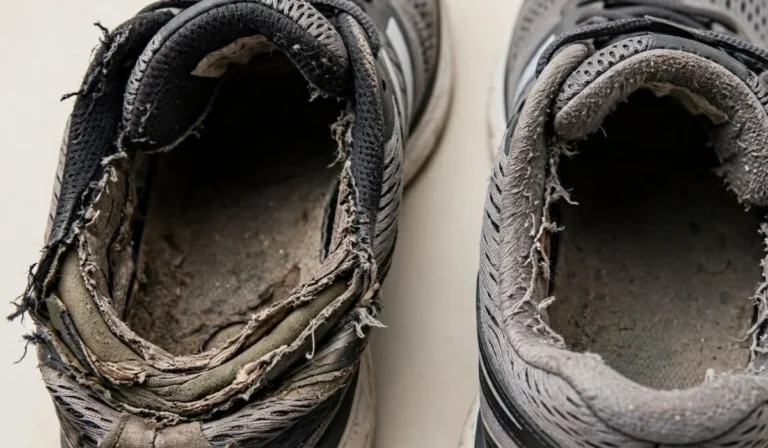
Instead of replacing shoes according to a fixed date, inspect them for changes in cushioning, shape, tread, and comfort.
Signs Your EVA Shoes Need Replacing
Watch for noticeable changes such as:
- Flattened cushioning
- Cracks
- Permanent deformation
- Uneven compression
- Reduced comfort
- Loss of traction
- Visible sole damage
- Significant changes in stability
If the shoe no longer feels or performs as intended, replacement may be appropriate.
Is EVA Safe for Shoes?
EVA is widely used in consumer products and footwear.
However, the safety of a finished shoe depends on the entire product, including materials, additives, manufacturing processes, and how the footwear is used.
What About Skin Contact?
For ordinary footwear use, EVA components are commonly designed for contact with socks or feet.
If a particular shoe causes irritation or discomfort, stop using it and check the manufacturer’s material and care information.
Is EVA Environmentally Friendly?
EVA has environmental considerations like other synthetic polymers.
It is generally derived from petrochemical feedstocks, and disposal can be challenging because it does not simply biodegrade under normal conditions.
Can EVA Be Recycled?
Recycling possibilities depend on the type of EVA product and the available recycling system.
Some manufacturers and specialized programs may reuse or recycle EVA materials, but widespread recycling of used footwear remains complicated because shoes often contain multiple bonded materials.
EVA Sole vs. PVC Sole
EVA and PVC are both synthetic materials used in footwear, but they have different characteristics.
EVA is generally lighter and more cushioning-oriented.
PVC can be relatively durable and resistant to certain chemicals and moisture but may produce a firmer feel.
For lightweight comfort, EVA is often the more appealing choice.
EVA Sole vs. TPR Sole
Thermoplastic rubber, commonly called TPR, is another footwear sole material.
TPR can provide good durability and traction while remaining relatively flexible.
Which Is Better?
For lightweight cushioning, EVA usually has an advantage.
For applications where outsole durability and traction are important, TPR may be more suitable.
Again, the best material depends on the intended use.
How to Choose a Good EVA Sole Shoe
If you’re considering EVA footwear, don’t look only at the word “EVA.”
Check These Features
Look for:
- Appropriate cushioning
- Stable construction
- Good fit
- Durable outsole
- Suitable tread
- Secure heel
- Adequate flexibility
- Quality upper materials
When Should You Choose EVA?
EVA is particularly suitable when you want:
Lightweight footwear: EVA helps reduce overall shoe weight.
Cushioning: It provides a comfortable underfoot feel.
Casual walking: Its combination of flexibility and cushioning works well for everyday use.
Sandals and slippers: Low water absorption and light weight make EVA practical.
Running shoes: EVA-based foams can provide cushioning and responsiveness.
When Might EVA Not Be the Best Choice?
Consider another material or a combination of materials if you need:
- Extremely high abrasion resistance
- Heavy-duty industrial protection
- Maximum lateral stability
- Specialized chemical resistance
- Extremely long-term compression resistance
In many cases, manufacturers solve this by combining EVA with other materials rather than eliminating EVA completely.
Is EVA Sole Material Good or Bad?
EVA is neither simply good nor bad.
It is a versatile footwear material with clear strengths and limitations.
Its biggest advantages are low weight, cushioning, flexibility, water resistance, and manufacturing versatility. Its primary disadvantages include potential compression over time, variable durability, sensitivity to excessive heat, and less abrasion resistance than many rubber compounds.
For walking shoes, running shoes, sandals, and casual footwear, EVA can be an excellent choice. For demanding outdoor or industrial applications, EVA may work best as one part of a multi-material sole rather than as the only material.
Final Verdict
If your priority is lightweight comfort and cushioning, EVA is a very good sole material.
If your priority is maximum durability, heavy-duty traction, or extreme abrasion resistance, a rubber or other specialized outsole may be more appropriate.
The smartest footwear designs often combine materials: EVA for cushioning and lightweight performance, plus rubber or another durable compound where the shoe contacts the ground.
So, when asking “Is EVA sole material good or bad?”, the better question is: “Is EVA the right material for the way I use my shoes?”
For many everyday footwear applications, the answer is yes.
FAQs
Is EVA a good material for shoe soles?
Yes. EVA is lightweight, flexible, cushioning, and commonly used in footwear. It is particularly useful for midsoles and casual footwear where comfort and low weight are important.
Is EVA better than rubber?
Neither is universally better. EVA is lighter and generally provides more cushioning, while rubber is typically more durable and abrasion-resistant. Many shoes use both materials.
Does EVA sole last long?
EVA can last for a considerable period, but its lifespan depends on usage, formulation, density, construction, and environmental conditions. Repeated compression can eventually reduce its cushioning performance.
Is EVA good for walking?
Yes. EVA can be an excellent choice for walking shoes because it provides lightweight cushioning and flexibility. The shoe should also have appropriate stability, fit, and traction.
Is EVA good for running?
Yes. EVA-based foam has been widely used in running shoes because it can provide cushioning without adding excessive weight. Modern running shoes may use modified EVA or other foam blends.
Are EVA soles waterproof?
EVA itself has low water absorption, but an EVA sole does not make an entire shoe waterproof. Water can still enter through the upper, seams, openings, or other construction points.
Do EVA soles become hard?
EVA can change its characteristics as it ages. Depending on the material and conditions, it may lose resilience or cushioning over time.
Does EVA crack?
EVA can develop cracks or other damage, particularly after extensive use, aging, environmental exposure, or mechanical stress. Quality and construction make a significant difference.
Are EVA shoes comfortable?
They can be very comfortable. EVA is widely used because it can provide lightweight cushioning and flexibility. However, comfort also depends on the shoe’s fit and overall construction.
Is EVA slippery when wet?
Not necessarily. Slip resistance depends largely on the outsole compound, tread design, and surface. EVA alone does not determine whether a shoe will be slippery.
Is EVA safe for everyday footwear?
EVA is widely used in everyday footwear. As with any manufactured product, the characteristics of the complete shoe depend on its materials, manufacturing, and intended use.
Is EVA environmentally friendly?
EVA has environmental drawbacks because it is a synthetic polymer and can be difficult to recycle when incorporated into complex footwear. Its environmental impact depends on production, lifespan, material composition, and disposal.
Which is better for sandals, EVA or rubber?
EVA is an excellent choice when low weight and cushioning are priorities. Rubber can offer greater durability and traction. Many sandals use either material or a combination of both.
Is EVA better than PVC for shoes?
EVA is generally lighter and more cushioning-oriented, while PVC can provide a firmer and relatively durable material. The better choice depends on the footwear’s intended purpose.
Can I wear EVA shoes every day?
Yes, if the footwear fits properly and is appropriate for your activity. For extensive daily use, also monitor the sole for compression, uneven wear, cracking, or loss of traction.
Why do shoe manufacturers use EVA?
Manufacturers use EVA because it offers a useful combination of low weight, cushioning, flexibility, water resistance, moldability, and relatively efficient production.