Why Do The Inside Heels Of My Shoes Wear Out So Fast | Common Problems, And Easy Ways To Prevent Heel Wear
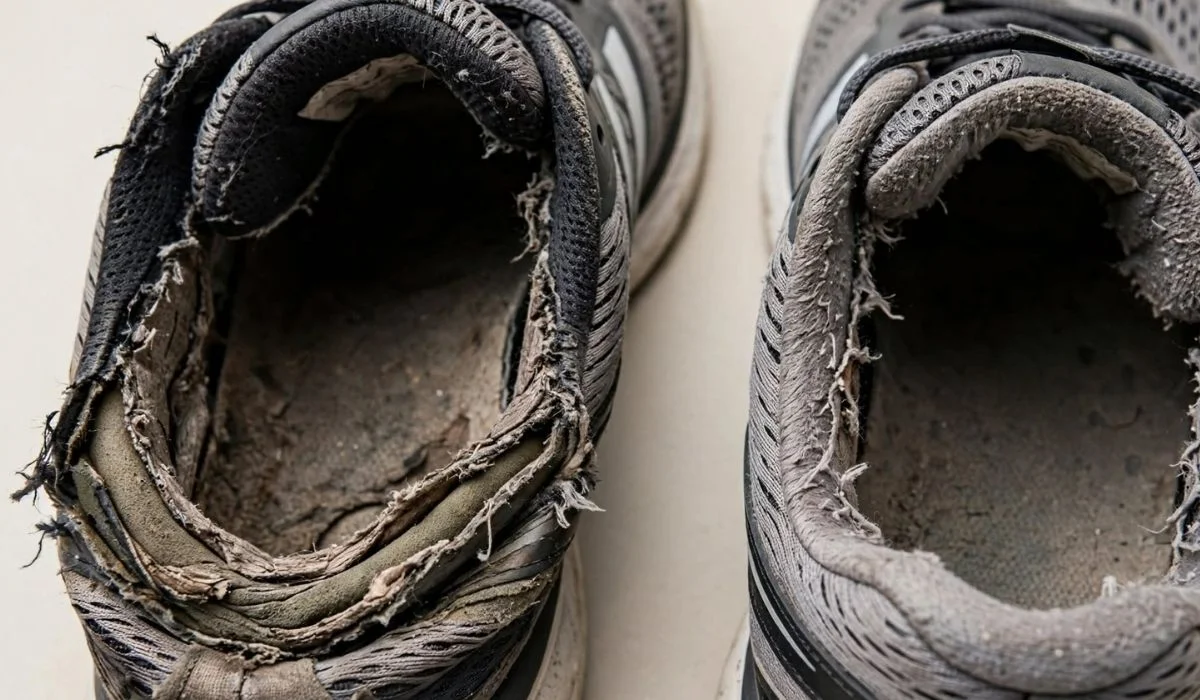
If the inside heels of your shoes wear out quickly, you are not alone. Many people notice that the fabric, lining, padding, or heel collar becomes thin, torn, rough, or completely worn through long before the rest of the shoe looks damaged. Sometimes the wear appears on both shoes, while in other cases one heel deteriorates much faster than the other.
Fast inside-heel wear is usually related to friction, heel movement, shoe fit, walking habits, moisture, or the way the shoes are put on and removed. Identifying the actual cause can help you prevent further damage and make your shoes last longer.
What Causes the Inside Heels of Shoes to Wear Out?
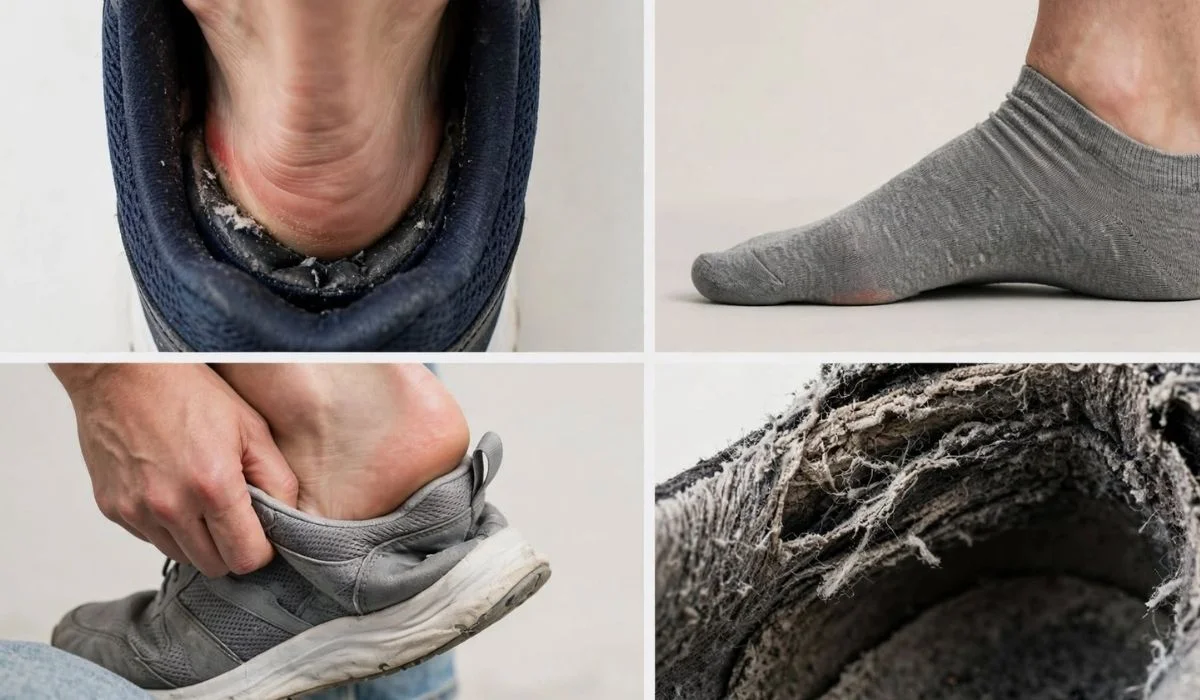
The inside heel area experiences repeated contact every time you walk. Your heel moves slightly inside the shoe, creating friction against the lining. Over hundreds or thousands of steps, that repeated rubbing can gradually damage the material.
Common Causes at a Glance
- Shoes are too loose around the heel.
- Shoes are too tight in the heel area.
- Your heel naturally slips while walking.
- You wear shoes without properly securing them.
- You frequently put shoes on without loosening the laces.
- Your socks create additional friction.
- Your feet become sweaty inside the shoes.
- The shoe lining is made from a fragile material.
- The heel counter has become damaged or misshapen.
- Your walking pattern creates uneven pressure.
- One foot may move differently from the other.
- You frequently wear the same pair of shoes.
- The shoes are not designed for your particular activity.
Fact: The heel collar and heel lining are exposed to repeated friction during normal walking, so they can show wear even when the outsole still appears to have plenty of life left.
Heel Slippage Is One of the Biggest Causes:
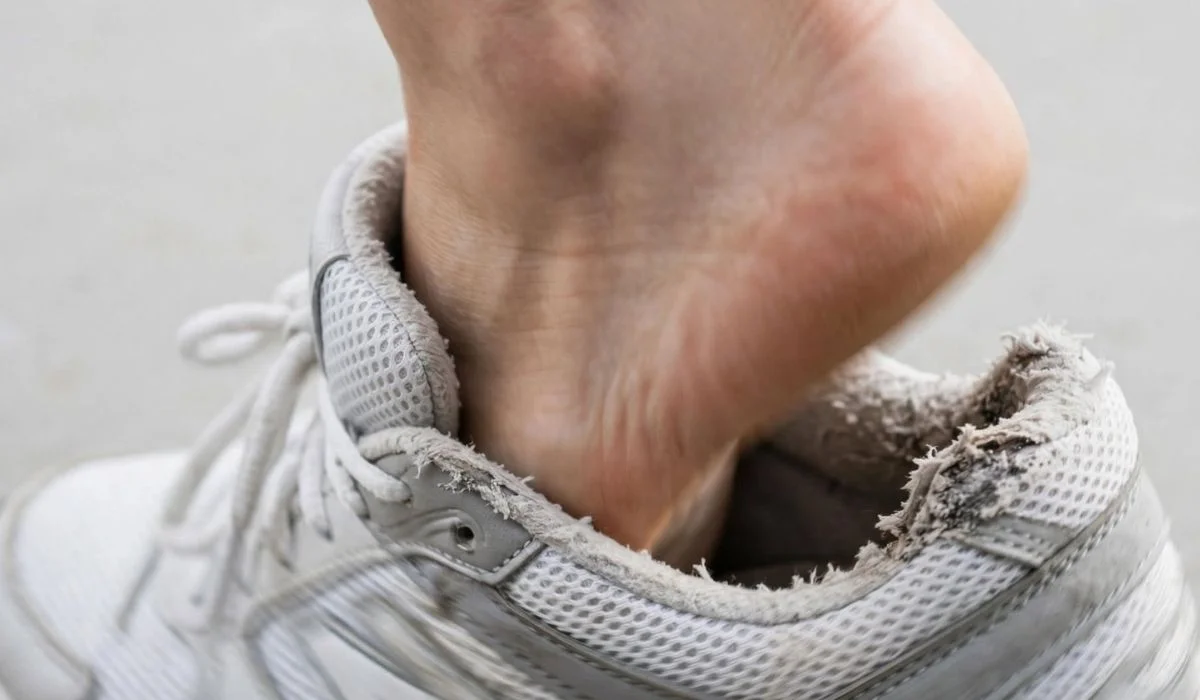
If your heel repeatedly moves up and down inside your shoes, the lining experiences constant rubbing.
Every step can create a small amount of movement between your sock, heel, and shoe lining. Over time, that repeated friction can break down the material.
Signs Your Shoes Have Excessive Heel Slippage
- Your heel lifts noticeably when walking.
- The inside heel lining looks polished or flattened.
- You develop worn patches in the same location.
- The heel area feels loose.
- You unconsciously tighten your laces to keep your foot in place.
- One shoe wears faster than the other.
Why Heel Slippage Causes Damage
Imagine rubbing the same section of fabric against a rough surface thousands of times. Even a durable material can eventually become thin.
The same principle applies to the heel lining of a shoe.
Fact: Small amounts of repeated movement can produce significant wear over time because footwear experiences thousands of repetitive motion cycles.
Your Shoes May Be Too Loose
Loose-fitting shoes allow your feet to move around more than intended.
When the heel is not securely held, it can slide against the interior of the shoe with every step.
Signs of an Oversized Shoe
- Your heel slips when walking.
- Your toes move forward inside the shoe.
- You need to tighten the laces excessively.
- You feel like your foot is swimming inside the shoe.
- The inside heel wears out quickly.
- You frequently use thick socks to make the shoes fit.
What You Can Do
Try improving the fit before replacing the entire shoe.
- Tighten the laces appropriately.
- Use a heel-lock or runner’s-knot lacing technique if suitable for the shoe.
- Consider a properly fitted insole if it does not make the shoe too tight.
- Use a heel grip designed for footwear.
- Check whether the shoe is actually the correct size and shape for your foot.
Fact: Shoe length and shoe volume are not the same thing. A shoe can be the correct length but still be too roomy around the heel.
Your Shoes May Be Too Tight
Surprisingly, shoes that are too tight can also cause inside-heel wear.
A tight heel collar can press against the heel and create concentrated friction.
How Tight Shoes Create Heel Wear
- The heel collar presses against your skin or socks.
- Your heel rubs against a restricted area.
- The lining experiences repeated pressure.
- Walking creates friction at the same contact point.
- The material gradually becomes damaged.
If your shoes cause discomfort around the heel, simply adding more padding may not solve the underlying problem.
Fact: A shoe should hold the heel securely without creating painful pressure or excessive rubbing.
Wearing Shoes Without Loosening the Laces
One surprisingly common cause of heel damage is putting on lace-up shoes without loosening them.
When you force your foot into a tightly laced shoe, the heel collar can scrape against the back of your heel.
What Happens Over Time
- The heel pushes against the collar.
- The lining bends and stretches.
- The fabric experiences repeated stress.
- The heel counter may gradually deform.
- The interior lining becomes worn or torn.
Better Habit
Before putting on lace-up shoes:
- Loosen the laces enough to open the shoe.
- Slide your foot in without forcing it.
- Position your heel properly.
- Tighten the laces from the lower sections upward.
- Secure the shoe comfortably.
Fact: A shoehorn can reduce stress on the heel collar when putting on structured shoes.
Removing Shoes Without Untying Them
Taking shoes off by stepping on the heel of the opposite shoe can damage the footwear.
This habit may seem harmless, but repeatedly crushing the heel area can weaken its structure.
Why This Is a Problem
- The heel counter can bend.
- The heel collar can become misshapen.
- Interior padding may compress.
- The lining can wrinkle.
- The shoe may no longer hold your heel properly.
Once the heel structure becomes distorted, additional heel movement can increase interior wear.
Fact: The heel counter helps maintain the shape of the rear portion of many shoes, so repeatedly crushing it can affect both fit and durability.
Your Walking Style May Be Responsible
Everyone has a slightly different walking pattern. The way your feet strike, roll, and leave the ground can influence how your footwear wears.
Walking Patterns That May Increase Heel Wear
- Excessive heel movement
- Uneven foot placement
- Pronounced inward or outward rolling
- Differences between your left and right foot
- Walking with unusually long or short strides
- Frequent dragging of the feet
You do not necessarily need to change your natural walking pattern simply because your shoes wear out. However, unusual or highly uneven wear may be a useful reason to have your footwear fit and walking mechanics evaluated by an appropriate professional.
One Shoe May Wear Faster Than the Other:
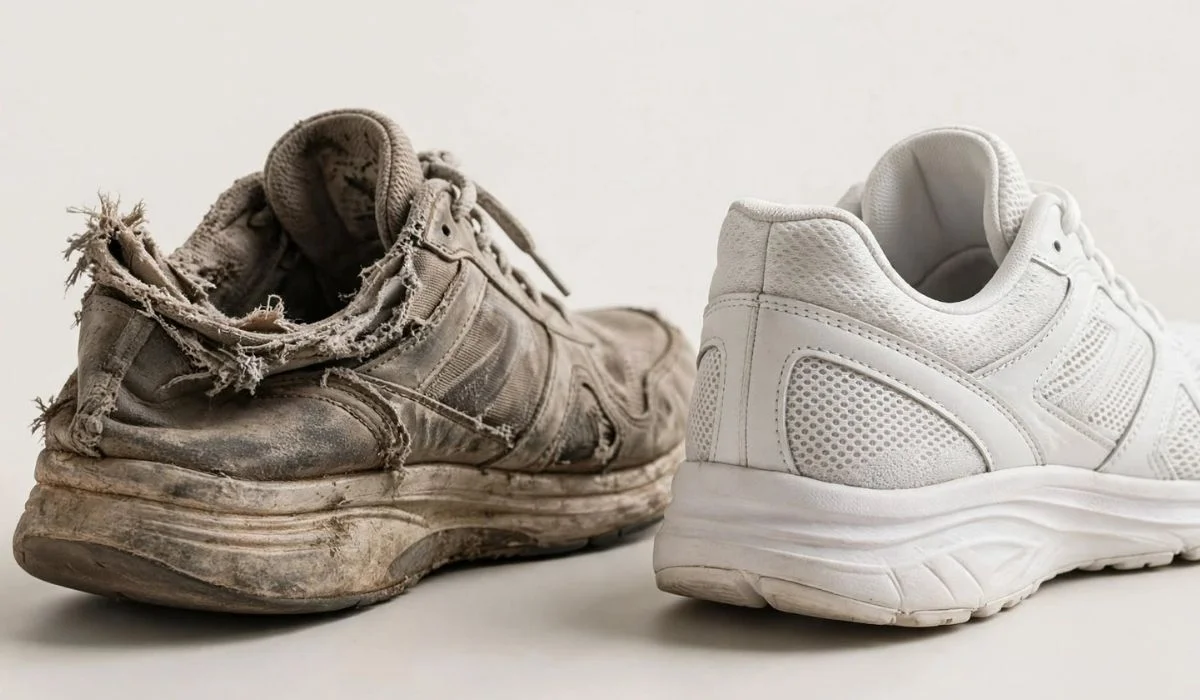
It is common for one shoe to show more wear than its partner.
Your left and right feet are not necessarily identical in shape, movement, or loading.
Reasons One Heel May Wear Faster
- One foot may be slightly larger.
- One heel may slip more.
- You may put more weight on one side.
- Your walking pattern may be asymmetrical.
- One shoe may fit differently.
- The shoe may have been damaged earlier.
What to Check
Compare both shoes carefully.
Look at:
- Heel lining
- Heel collar
- Outsole
- Insole
- Toe area
- Sidewalls
- Heel counter
If the wear is consistently extreme on one side, consider having the fit and wear pattern assessed.
Sweaty Feet Can Make the Problem Worse
Moisture does not necessarily cause heel wear by itself, but it can contribute to an environment where friction and material breakdown become more noticeable.
How Moisture Affects Shoes
- Damp socks may increase friction.
- Moisture can soften some materials.
- Repeated dampness can contribute to odor.
- Certain linings may deteriorate faster.
- Shoes may have less opportunity to dry completely.
How to Reduce Moisture-Related Wear
- Allow shoes to dry fully between uses.
- Rotate between pairs when practical.
- Choose moisture-managing socks.
- Remove insoles for separate drying when appropriate.
- Avoid storing damp shoes in enclosed spaces.
Fact: Allowing footwear to dry thoroughly between uses can help preserve interior materials and reduce persistent moisture and odor.
Your Socks Can Increase Friction
Socks affect the way your foot moves inside a shoe.
Thin, rough, loose, or poorly fitting socks can contribute to additional rubbing.
Sock Problems That May Contribute
- Wrinkled socks
- Loose socks
- Rough seams
- Excessively thin fabric
- Socks that slide down
- Socks that become damp quickly
Choose socks that sit smoothly against the foot and work appropriately with your footwear.
Read Next: Difference Between Shoe And Footwear | A Complete Guide
The Shoe’s Heel Lining May Be Low Quality
Not every shoe uses the same quality of interior material.
Some footwear has a durable heel lining, while inexpensive or lightweight designs may use thinner materials.
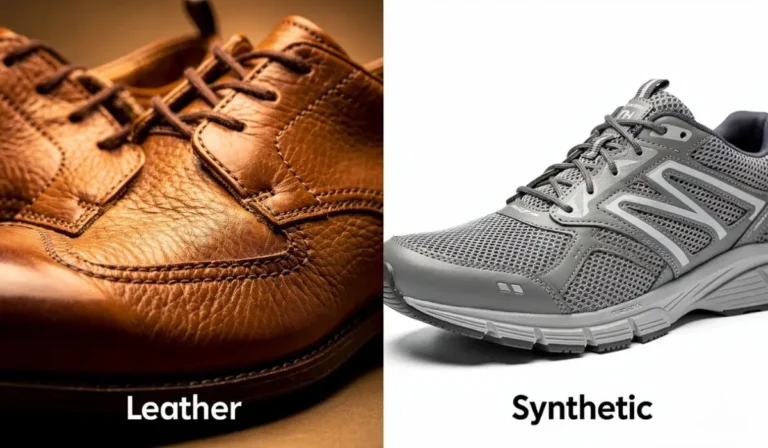
Materials Commonly Found Inside Shoe Heels
- Textile fabric
- Synthetic lining
- Mesh
- Microfiber
- Leather
- Padded synthetic materials
A softer or thinner lining can feel comfortable initially but may not tolerate repeated friction as well as a more durable construction.
Fact: Interior lining durability depends on material, construction, stitching, friction, moisture, and how the shoe is used.
The Heel Counter May Be Damaged
The heel counter is the structural section around the rear of many shoes. It helps the shoe maintain its shape around the heel.
If it becomes crushed or deformed, your heel may move differently inside the shoe.
Signs of a Damaged Heel Counter
- The back of the shoe looks collapsed.
- The heel feels less secure.
- The shoe bends unusually easily at the rear.
- The lining wrinkles or folds.
- Heel slippage has increased.
- One shoe feels different from the other.
If the structural part of the shoe is badly damaged, a simple patch may only provide a temporary solution.
Your Shoes May Be the Wrong Type for Your Activity
Different footwear is designed for different movements.
For example, wearing casual shoes for frequent running or intense training can create unusual stress on the shoe.
Match Footwear to the Activity
- Running: Running shoes
- Hiking: Hiking shoes or boots
- Gym training: Training shoes
- Work: Appropriate work footwear
- Walking: Comfortable walking or everyday shoes
- Casual use: Casual shoes or sneakers
Using footwear outside its intended purpose can accelerate wear in several areas, including the heel.
Fact: Athletic footwear is designed around particular movement patterns, surfaces, and performance requirements.
How to Stop the Inside Heels of Shoes From Wearing Out
Once you identify the cause, several simple habits can reduce further damage.
Improve the Fit
The most important step is making sure your shoes fit properly.
- Check both length and width.
- Make sure your heel feels secure.
- Avoid excessive heel movement.
- Do not choose shoes that squeeze the heel.
- Try shoes with the socks you normally wear.
- Walk around before purchasing whenever possible.
Use a Heel-Lock Lacing Technique
For compatible lace-up shoes, a heel-lock or runner’s-knot technique can reduce unnecessary heel movement.
A typical approach is:
- Leave the uppermost eyelets available.
- Create a small loop on each side.
- Cross the laces through the opposite loops.
- Pull the laces snugly.
- Tie normally.
Do not tighten the laces so much that they cause pain, numbness, or pressure.
Use Heel Grips
Heel grips can add friction or padding in the appropriate area and may help reduce movement.
They can be useful when:
- The shoe is slightly loose.
- Your heel slips.
- The interior heel is uncomfortable.
- You need a small fit adjustment.
However, they are not a substitute for correctly sized footwear.
Repairing a Worn Shoe Heel
If the lining is already damaged, you may be able to repair it rather than immediately replacing the shoe.
Simple Repair Options
- Adhesive heel patches
- Fabric repair patches
- Replacement heel liners
- Shoe-repair products
- Professional shoe repair
Clean and dry the area before applying an adhesive patch, and follow the repair product’s instructions.
When Professional Repair Makes Sense
Consider a shoe repair professional when:
- The heel counter is damaged.
- The lining is severely torn.
- The shoe is expensive or difficult to replace.
- The outsole is still in excellent condition.
- The repair requires stitching or structural work.
Fact: Repairing the lining can extend the usable life of a shoe, but structural damage may require more extensive work than a simple patch.
When Should You Replace the Shoes?
Interior heel wear does not automatically mean your shoes need to be discarded.
However, replacement may make more sense when the shoe is no longer providing a secure and comfortable fit.
Consider Replacing Shoes If
- The heel counter has collapsed.
- The outsole is badly worn.
- The midsole has significantly deteriorated.
- The shoe causes persistent discomfort.
- The lining is extensively damaged.
- Your foot repeatedly slips despite proper adjustment.
- The shoe has lost its structural support.
- Repairs are no longer practical.
For athletic footwear, consider the shoe’s overall condition rather than judging replacement only by the appearance of the heel lining.
How to Make Shoe Heels Last Longer
A few everyday habits can significantly reduce unnecessary interior wear.
Simple Prevention Checklist
- Choose the correct shoe size and shape.
- Secure your shoes properly.
- Loosen laces before putting on lace-up shoes.
- Use a shoehorn when helpful.
- Do not step on the backs of your shoes.
- Keep socks smooth and properly fitted.
- Let shoes dry between uses.
- Rotate footwear when possible.
- Use heel grips if appropriate.
- Repair small lining damage early.
- Match footwear to the activity.
- Replace severely damaged footwear.
A Simple Daily Routine
Before wearing your shoes, check:
- Is the heel lining intact?
- Does the heel feel secure?
- Are the laces properly adjusted?
- Are the shoes dry?
- Is the heel counter still firm?
- Is there unusual movement while walking?
Catching small problems early can prevent them from becoming major repairs.
Why Inside Heel Wear Can Reveal a Shoe Fit Problem
The worn area can provide clues about what is happening inside the shoe.
Wear at the Very Top of the Heel
This may suggest:
- Heel collar friction
- Heel slippage
- Poor lacing
- Shoe shape mismatch
Wear on One Side
This may indicate:
- Uneven foot movement
- Asymmetrical fit
- Different pressure between feet
- A walking-pattern difference
Wear Across a Large Area
This can suggest:
- Significant heel movement
- A poor fit
- Damaged heel structure
- Frequent use without adequate drying or rotation
The wear pattern is not a medical diagnosis, but it can help you investigate why the shoe is deteriorating.
Final Thoughts
If you are wondering why the inside heels of your shoes wear out so fast, the most common explanation is repeated friction caused by heel movement. Loose shoes, poor lacing, forcing your feet into tightly closed shoes, stepping on the heel, moisture, socks, walking patterns, and weak or damaged heel construction can all contribute.
Start by checking the fit and looking closely at the wear pattern. If your heel is slipping, improve the shoe’s security. If the shoe is too tight, consider a different size or shape. If the heel structure is crushed, repair or replacement may be necessary.
A few simple habits—such as properly loosening laces, using a shoehorn, keeping footwear dry, and repairing small lining damage early—can help your shoes last longer and keep the inside heel from wearing through so quickly.
FAQs About Inside Heel Wear
Why do the inside heels of my shoes wear out so fast?
The most common reason is repeated friction between your heel, socks, and the shoe lining. Heel slippage, poor fit, loose lacing, moisture, and damaged heel construction can make the problem worse.
Why does the back of my shoe wear out before the rest?
The back of the shoe experiences repeated friction every time your heel moves during walking. If your heel slips or the shoe is not properly secured, this area can deteriorate faster than other parts.
Why do my shoes wear out on the inside heel on one side?
One shoe may wear faster because your feet do not move identically. Differences in foot shape, pressure distribution, shoe fit, and walking mechanics can create uneven wear.
Does heel slippage cause shoe damage?
Yes. Repeated heel movement creates friction against the interior lining and can eventually wear through fabric, padding, or other materials.
Can shoes be too big if only the heel wears out?
Yes. A shoe can have enough length but still be too roomy around the heel. Excess space can allow the heel to move repeatedly and increase friction.
Can shoes that are too small cause inside heel wear?
Yes. A tight heel collar can create concentrated pressure and friction. If the shoe squeezes the heel or causes discomfort, a different size or shape may be more appropriate.
Does wearing shoes without socks cause heel wear?
It can increase direct skin-to-lining friction and may also expose the lining to more moisture. However, the exact effect depends on the shoe material, fit, and individual foot movement.
How can I stop my heel from slipping inside my shoes?
Make sure the shoe fits correctly, tighten the laces appropriately, and consider a heel-lock lacing technique or heel grip when suitable. If the heel still moves significantly, the shoe may not be the right shape for your foot.
Do heel grips prevent inside heel wear?
Heel grips can reduce movement and add a protective layer between the heel and shoe lining. They can help with minor fit issues but may not solve a fundamentally poor fit.
Does a shoehorn help prevent heel damage?
A shoehorn can help you put on structured footwear without crushing or bending the heel collar. This may reduce unnecessary stress on the rear of the shoe.
Why do my sneakers wear out around the heel?
Sneakers often experience frequent use and repetitive movement. Running, walking, gym workouts, heel slippage, and repeated putting-on and taking-off can all contribute to heel lining wear.
Can sweaty feet damage the inside of shoes?
Persistent moisture can contribute to material deterioration and may increase friction. Allowing shoes to dry completely between uses can help protect the interior.
Should I replace shoes when the inside heel is worn out?
Not always. If the shoe still fits securely and the structure and outsole are in good condition, a heel patch or professional repair may extend its life. Replace the shoes when they are structurally damaged, uncomfortable, or no longer provide the function you need.
Can worn-out heel lining be repaired?
Yes. Minor damage can sometimes be repaired with adhesive heel patches or replacement liners. More extensive damage may require professional shoe repair.
Why does my right shoe wear out faster than my left?
Your right and left feet may distribute pressure differently or have slightly different movement patterns. Differences in fit, foot shape, and how you walk can also contribute to uneven wear.
How can I make the inside heels of my shoes last longer?
Choose a proper fit, reduce heel slippage, loosen laces before putting shoes on, avoid stepping on shoe heels, keep footwear dry, wear suitable socks, rotate shoes when possible, and repair small areas of damage early.