Leather vs Synthetic Shoes | Which Is Better for Comfort and Durability?
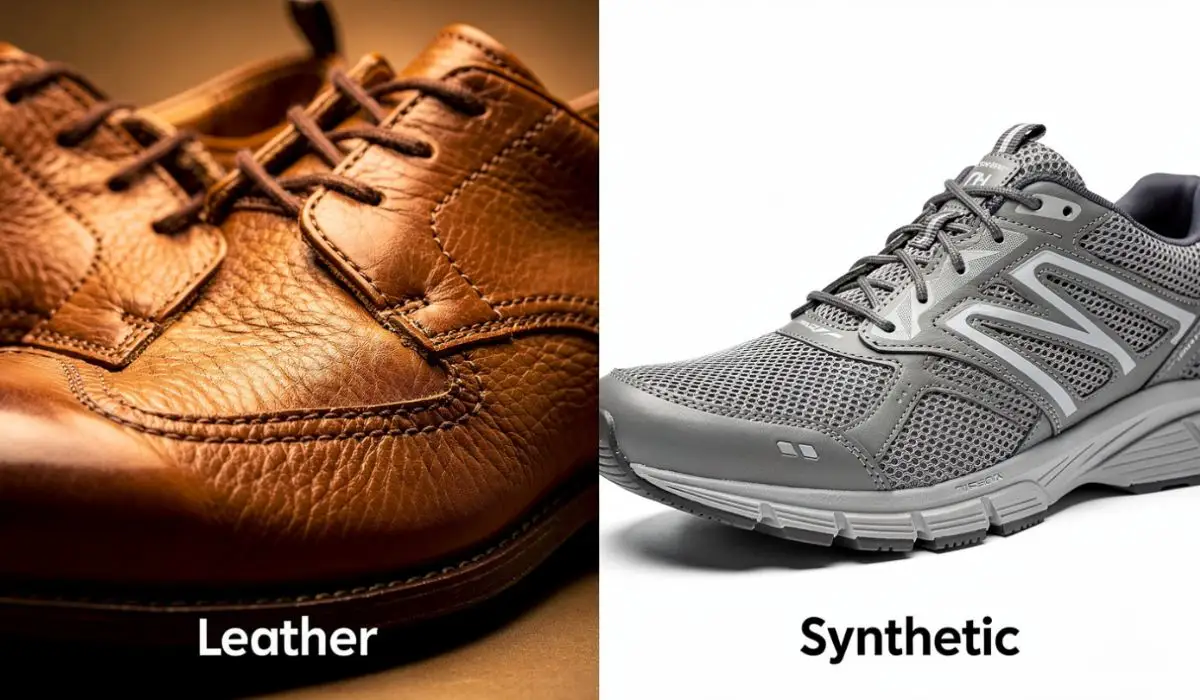
When buying shoes, one of the most common decisions people face is choosing between leather and synthetic materials. At first glance, they may look similar, but they differ significantly in comfort, durability, price, breathability, maintenance, and environmental impact.
Both types are widely used in footwear from brands like Nike, Adidas, and traditional formal shoe makers. But which one is actually better depends on your lifestyle, purpose, and personal preference.
In this detailed guide, we’ll break down Leather vs Synthetic Shoes in a simple, practical way so you can make the right choice confidently.
What Are Leather Shoes?
Leather shoes are made from animal hide, usually cowhide, which is processed and treated to create a durable and flexible material.
There are different types of leather used in footwear:
- Full-grain leather (highest quality)
- Top-grain leather
- Genuine leather
- Suede and nubuck
Leather shoes are commonly used in:
- Formal shoes
- Office wear
- Premium boots
- Traditional footwear
What Are Synthetic Shoes?
Synthetic shoes are made from man-made materials such as:
- Polyurethane (PU)
- PVC (plastic-based materials)
- Synthetic microfiber
- Engineered mesh
These materials are designed to mimic the look of leather or provide lightweight flexibility.
Synthetic shoes are commonly used in:
- Sports shoes
- Running shoes
- Casual footwear
- Budget-friendly formal shoes
Leather vs Synthetic Shoes: Key Differences
Let’s compare them across important categories.
1. Comfort
Leather Shoes
- Naturally softens over time
- Molds to your foot shape
- Comfortable after break-in period
However, new leather shoes may feel stiff initially.
Synthetic Shoes
- Comfortable right out of the box
- Lightweight and flexible
- No break-in period needed
✔ Winner for instant comfort: Synthetic shoes
✔ Winner for long-term comfort: Leather shoes
Read Next: Pros And Cons Of Wearing Shoes In The House | Hygiene, Comfort, and Culture
2. Durability
Leather Shoes
- Very durable if properly maintained
- Can last years or even decades
- Resistant to wear and tear
However, they require care like polishing and conditioning.
Synthetic Shoes
- Less durable than leather
- May crack or peel over time
- Typically lasts 6 months to 2 years depending on usage
✔ Winner: Leather shoes
3. Breathability
Leather Shoes
- Natural material allows airflow
- Reduces sweating and odor
- Better for long wear in formal settings
Synthetic Shoes
- Less breathable (especially PVC-based)
- Can trap heat and moisture
- May cause foot odor if worn long hours
✔ Winner: Leather shoes
4. Weight
Leather Shoes
- Heavier due to natural material
- Can feel bulky for sports or long walking
Synthetic Shoes
- Lightweight and flexible
- Ideal for running, gym, and sports
✔ Winner: Synthetic shoes
5. Appearance
Leather Shoes
- Premium, elegant look
- Ideal for formal and professional settings
- Develops natural shine over time
Synthetic Shoes
- Wide variety of colors and designs
- Can mimic leather appearance
- More modern and sporty look
✔ Winner depends on use:
- Formal: Leather
- Casual/sporty: Synthetic
6. Maintenance
Leather Shoes
Require regular care:
- Polishing
- Conditioning
- Protection from water
Without maintenance, leather can crack or dry out.
Synthetic Shoes
- Easy to clean
- Usually just needs wiping or washing
- Low maintenance
✔ Winner: Synthetic shoes
7. Water Resistance
Leather Shoes
- Naturally water-resistant to some extent
- Can absorb water if not treated
- Needs waterproofing treatment
Synthetic Shoes
- Often more water-resistant
- Some are fully waterproof
- Quick drying
✔ Winner: Synthetic shoes
8. Cost
Leather Shoes
- Generally expensive
- Premium leather can be very costly
Synthetic Shoes
- Budget-friendly
- Wide price range available
- Affordable for daily use
✔ Winner: Synthetic shoes
9. Environmental Impact
Leather Shoes
- Made from animal hides
- Processing involves chemicals
- Long-lasting, so less frequent replacement
Synthetic Shoes
- Made from petroleum-based materials
- Non-biodegradable
- But newer eco-friendly versions exist
✔ Mixed results depending on production method
10. Performance in Sports
Leather Shoes
- Not ideal for high-impact sports
- Heavy and less flexible
Synthetic Shoes
- Designed for performance
- Lightweight and shock-absorbing
- Used in running and training shoes
Brands like Nike and Adidas heavily use synthetic materials in sports footwear.
✔ Winner: Synthetic shoes
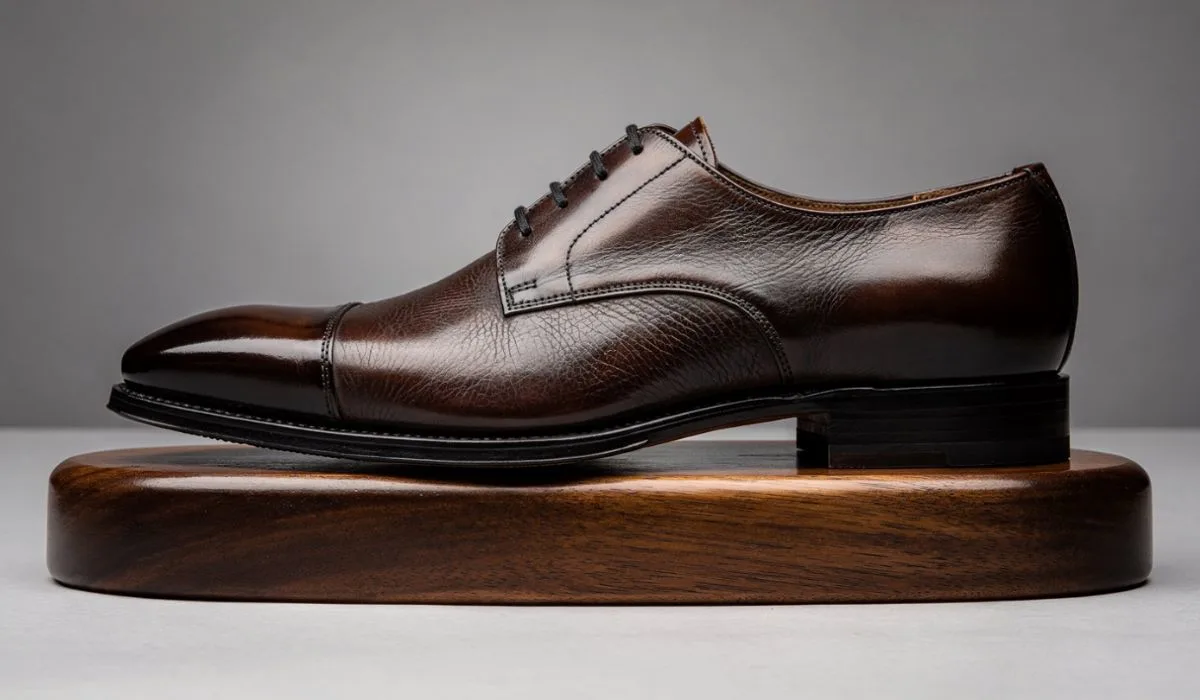
Advanes of Leather Shoes:
- Long-lasting durability
- Premium and professional appearance
- Better breathability
- Molds to foot shape over time
- Suitable for formal occasions
Disadvanes of Leather Shoes
- Expensive
- Requires maintenance
- Heavy
- Not ideal for sports or wet conditions
Advanes of Synthetic Shoes:
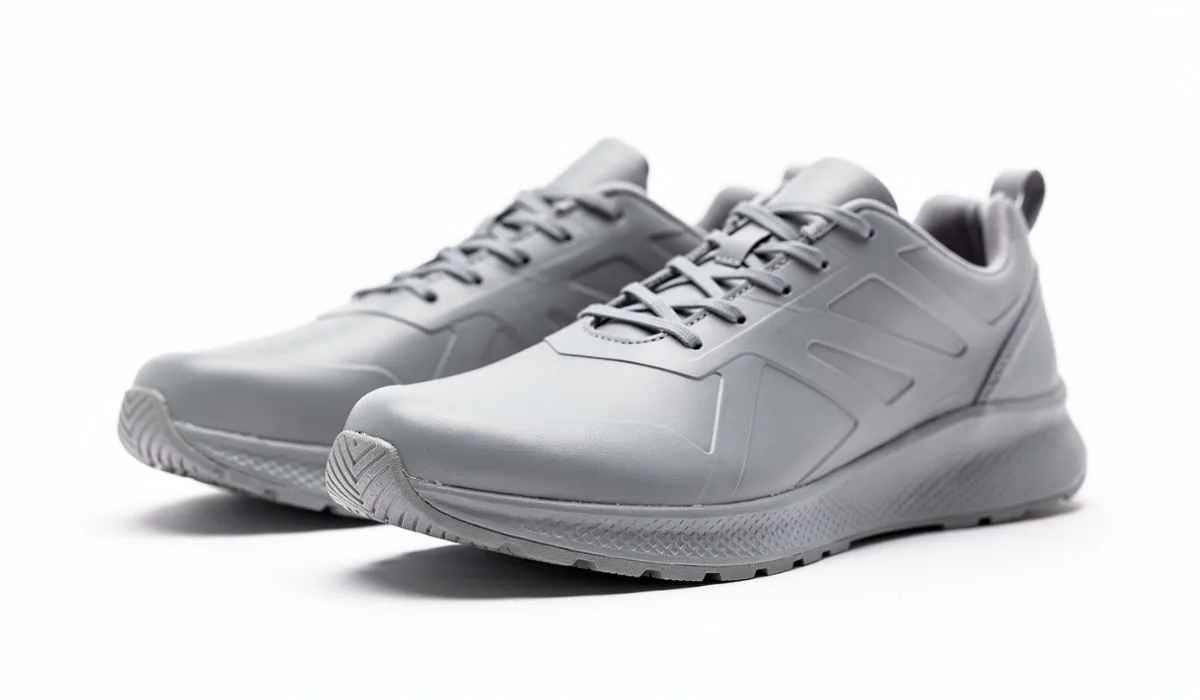
- Lightweight
- Affordable
- Easy to maintain
- Wide design variety
- Better for sports and casual wear
Disadvanes of Synthetic Shoes
- Less durable
- Can feel less premium
- May trap heat
- Can wear out faster
Which One Should You Choose?
Choose Leather Shoes if you:
- Need formal or office footwear
- Want long-lasting shoes
- Prefer premium appearance
- Don’t mind maintenance
Choose Synthetic Shoes if you:
- Need sports or gym shoes
- Want lightweight comfort
- Have a limited budget
- Prefer low-maintenance footwear
Real-Life Example:
- A businessman attending meetings → Leather shoes
- A student going to college → Synthetic shoes
- A runner or gym user → Synthetic shoes
- Wedding or formal event → Leather shoes
Hybrid Shoes: The Middle Option:
Some modern shoes combine both materials:
- Leather upper with synthetic sole
- Synthetic mesh with leather accents
These offer a balance of durability and comfort.
Final Verdict:
There is no absolute winner in leather vs synthetic shoes. Each has its strengths.
- Leather shoes are best for durability, style, and formal use
- Synthetic shoes are best for comfort, sports, and affordability
The best choice depends entirely on your lifestyle and how you plan to use them.
If you need long-lasting elegance, go for leather. If you need lightweight versatility and budget-friendly comfort, synthetic shoes are the smarter choice.
FAQs:
1. Which is better: leather or synthetic shoes?
It depends on your needs. Leather shoes are better for durability and formal wear, while synthetic shoes are better for sports, comfort, and affordability.
2. Are leather shoes more durable than synthetic shoes?
Yes. Leather shoes generally last longer if properly maintained, while synthetic shoes tend to wear out faster over time.
3. Are synthetic shoes good for daily use?
Yes. Synthetic shoes are lightweight, affordable, and comfortable, making them suitable for daily casual or sports use.
4. Do leather shoes need a lot of maintenance?
Yes. Leather shoes require regular cleaning, polishing, and conditioning to prevent cracking and maintain their appearance.
5. Are synthetic shoes waterproof?
Some synthetic shoes are water-resistant or waterproof, but it depends on the material and design. Not all synthetic shoes offer full protection.
6. Which type of shoe is better for sports and running?
Synthetic shoes are better because they are lighter, more flexible, and designed for movement and shock absorption.
7. Are leather shoes comfortable for long wear?
Yes, after a break-in period. Over time, leather molds to your feet and becomes very comfortable.
8. Which is more affordable: leather or synthetic shoes?
Synthetic shoes are generally more affordable and budget-friendly compared to leather shoes.