Pros And Cons Of Wearing Shoes In The House | Hygiene, Comfort, and Culture
Whether you should wear shoes inside the house is one of those everyday questions that sparks strong opinions. Some households treat indoor shoes as normal, while others consider it strictly unhygienic.
The truth is more nuanced: there are practical benefits and real drawbacks, and the “right” answer often depends on health, culture, flooring type, and lifestyle.
This in-depth guide explores the Pros And Cons Of Wearing Shoes In The House, backed by hygiene research principles, household safety considerations, and real-world practicality. It also helps you decide what works best for your home environment.
Why This Topic Matters:
Shoes are designed for outdoor environments where they pick up dirt, bacteria, chemicals, and debris. Bringing them indoors can affect:
- Indoor hygiene
- Floor cleanliness
- Respiratory health
- Foot support and comfort
- Cultural and social norms
At the same time, removing shoes every time you enter can also have downsides, especially in busy households or for people with foot conditions.
The Case for Wearing Shoes in the House (Pros):
1. Foot Support and Comfort
One of the biggest advanes of wearing shoes indoors is arch and joint support. People with flat feet, plantar fasciitis, or chronic foot pain often benefit from supportive footwear.
Proper shoes help reduce strain on:
- Feet
- Ankles
- Knees
- Lower back
Wearing cushioned indoor shoes can improve comfort, especially on hard floors like tile or concrete.
2. Protection for Medical Conditions
For some individuals, wearing shoes indoors is recommended due to medical needs:
- Diabetes (protects sensitive feet from injury)
- Neuropathy (reduced foot sensation)
- Arthritis (joint support)
- Post-injury recovery
Medical-grade footwear can reduce the risk of accidental cuts or pressure injuries.
3. Cleaner Feet in Shared Spaces
In some environments, such as urban apartments or shared housing, floors may not always be perfectly clean. Wearing indoor shoes can help avoid direct contact with:
- Dust
- Hair
- Small debris
- Cold or damp surfaces
This can be especially useful in high-traffic homes.
4. Temperature Regulation
In cold climates or air-conditioned homes, shoes can help keep feet warm and comfortable. This is particularly helpful for people with poor circulation.
5. Practicality for Quick Tasks
Some people prefer keeping shoes on for convenience:
- Running quick errands inside and outside
- Taking out trash
- Moving between indoor and outdoor spaces frequently
This reduces the need to repeatedly remove and wear footwear.
Read Next: How to Lace Jordan 1 Low
6. Floor Protection in Some Cases
Surprisingly, indoor shoes can sometimes protect floors from:
- Heavy foot pressure in busy households
- Sharp objects underfoot (e.g., small toys)
- Scratches from barefoot friction on certain surfaces
However, this depends heavily on shoe type.
The Case Against Wearing Shoes in the House (Cons):
1. Dirt and Germ Transfer
Shoes pick up contaminants from outside environments such as:
- Bacteria
- Dirt and mud
- Animal waste particles
- Pesticides and chemicals
One widely discussed concern is tracking these contaminants indoors, where they can spread across floors, carpets, and furniture.
2. Reduced Indoor Air Quality
Dust and particles carried by shoes can become airborne over time, contributing to indoor pollution—especially in homes with carpets or fabric flooring.
3. Damage to Flooring
Certain types of shoes can damage floors:
- Heels can dent wood
- Hard soles can scratch tiles or laminate
- Gravel stuck in soles can cause abrasion
Over time, this leads to visible wear and tear.
4. Cultural and Psychological Cleanliness
In many cultures, removing shoes is a sign of cleanliness and respect. For example, in many Asian households, it is standard practice to remove shoes before entering.
This habit is often linked with:
- Mental comfort
- Sense of cleanliness
- Boundary between outdoor and indoor space
5. Increased Risk of Spreading Germs Indoors
Studies suggest that footwear can carry microorganisms from public areas. While most are harmless, some may contribute to:
- Allergens
- Bacteria buildup
- Cross-contamination in kitchens or bathrooms
6. Lack of Foot Relaxation
Wearing shoes all day can restrict foot movement. Barefoot time indoors allows:
- Natural foot strengthening
- Better balance
- Reduced pressure on toes
Constant shoe use may contribute to stiffness over time.
7. Odor and Hygiene Issues
If indoor shoes are not cleaned regularly, they can develop odor and bacteria buildup, which then spreads inside the home environment.
Hygiene Perspective: What Matters Most:
From a public health standpoint, the concern is not just shoes themselves but what they carry.
Shoes can pick up contaminants from:
- Sidewalks
- Public toilets
- Public transport
- Animal areas
However, the actual risk depends on:
- Cleanliness of outdoor environment
- Type of flooring indoors
- Cleaning habits
- Shoe usage pattern
Cultural Differences Around the World:
Shoes-in-house behavior varies widely:
- Many Western households allow indoor shoes for convenience
- Many Asian households strictly remove shoes at the entrance
- Some Middle Eastern cultures use indoor slippers only
- Scandinavian homes often switch to indoor footwear
These differences show that there is no universal rule—only practical choices.
A Balanced Approach: Indoor Shoe Systems:
Instead of choosing “always yes” or “always no,” many households adopt a hybrid system:
Option 1: Dedicated Indoor Shoes
Use clean, soft-soled shoes only for indoors.
Option 2: Slippers or House Shoes
Light indoor footwear provides comfort without outdoor contamination.
Option 3: Shoe-Free Zones
Keep shoes on in hallways but remove them in bedrooms or kitchens.
Healthier Alternatives to Outdoor Shoes Indoors:
If comfort is the reason for wearing shoes, consider:
- Soft house slippers
- Orthopedic indoor shoes
- Barefoot-friendly flooring like rugs
- Socks with grip soles
These options balance hygiene and comfort.
When Wearing Shoes Indoors Makes Sense:
It may be reasonable if:
- You have foot pain or medical conditions
- You live in extremely cold environments
- Floors are difficult to keep clean
- You frequently move in and out of the house
When It’s Better to Remove Shoes:
Removing shoes is generally better when:
- You have infants or toddlers crawling on floors
- You have carpeted or fabric-heavy interiors
- Cleanliness and hygiene are a priority
- You want to reduce allergens indoors
Practical Cleaning Tips if You Wear Shoes Indoors:
If you choose to wear shoes inside, hygiene improves with:
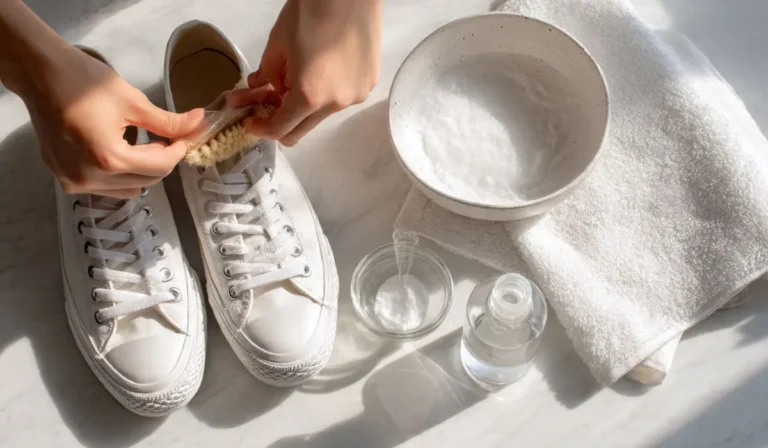
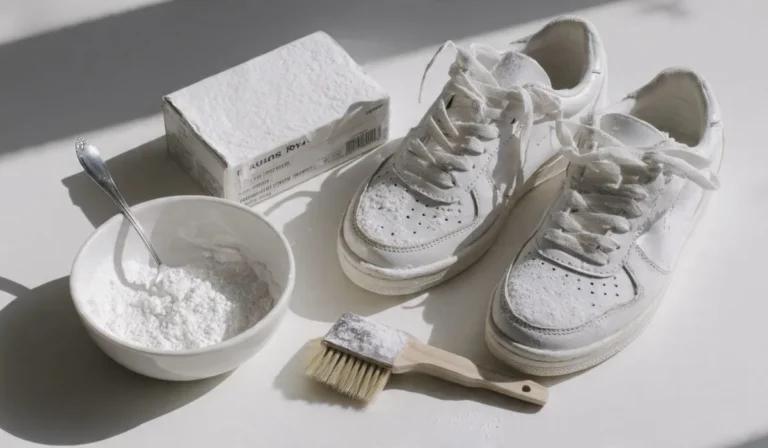
- Regular shoe cleaning
- Separate indoor/outdoor pairs
- Doormats at entrances
- Weekly floor cleaning
- Avoiding outdoor shoes on carpets
The Environmental Angle:
Shoes also carry micro-particles that contribute to indoor dust accumulation. Reducing shoe use indoors may slightly reduce cleaning frequency and improve long-term indoor cleanliness.
Psychological Impact of Shoe-Free Homes:
Many people report feeling:
- More relaxed in shoe-free homes
- More “at home” mentally
- Cleaner indoor environment
This shows that footwear habits also influence comfort beyond physical hygiene.
Final Verdict: Should You Wear Shoes in the House?
There is no single correct answer. The decision depends on:
- Health needs
- Cultural habits
- Flooring type
- Household cleanliness goals
- Personal comfort
For most households, a hybrid approach (indoor shoes or slippers) offers the best balance between hygiene and practicality.
FAQs:
1. Is it unhealthy to wear shoes in the house?
It can introduce dirt and bacteria, but risk depends on hygiene practices.
2. Are indoor slippers better than shoes?
Yes, they provide comfort with less contamination risk.
3. Do shoes really carry germs?
Yes, they can carry microorganisms from outdoor environments.
4. Can wearing shoes damage floors?
Yes, especially hard soles and heels.
5. Is it better to be barefoot indoors?
Often yes, for hygiene and foot health, if floors are clean.
6. Why do some cultures remove shoes?
For cleanliness, respect, and tradition.
7. Should guests remove shoes?
It depends on household rules and cultural norms.
8. Are house shoes necessary?
They are optional but helpful in many homes.
9. Can shoes affect indoor air quality?
Yes, by bringing in dust and particles.
10. What is the best practice overall?
A clean indoor footwear system or shoe-free home is ideal for most people.