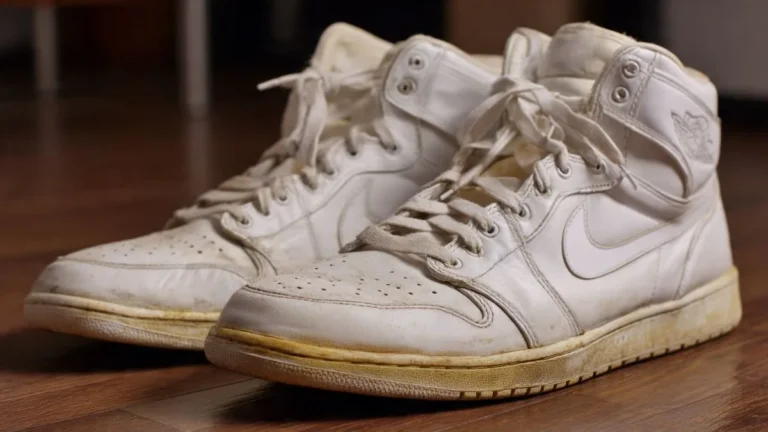

Is It Hygienic to Wash Shoes in Washing Machine | Pros, Cons & Expert Tips
Washing shoes in a washing machine can be hygienic when done correctly, but it’s not suitable for all shoe types.
Improper use may damage materials or spread bacteria, so understanding your footwear and machine settings is essential for safe cleaning.
Is It Hygienic to Wash Shoes in Washing Machine:
- Not all shoes are machine-washable: Delicate materials like leather, suede, or glued soles can warp, shrink, or fall apart in the wash.
- Proper preparation is key: Remove laces, insoles, and excess dirt before washing to improve hygiene and protect components.
- Use a laundry bag: A mesh shoe bag reduces friction and prevents shoes from banging around, which protects their shape.
- Choose gentle cycles and cold water: Hot water and heavy agitation can degrade glue and fabric, while cold helps preserve structure.
- Dry carefully: Air-drying away from direct heat prevents mold and maintains shoe integrity better than machine drying.
- Bacteria can still survive: Even with washing, some germs persist—use disinfectant sprays or UV sanitizers for extra hygiene.
- Alternative methods exist: Hand-washing with mild soap is safer for most sneakers and offers better control over cleaning.
📑 Table of Contents
- Is It Hygienic to Wash Shoes in Washing Machine?
- Understanding Shoe Materials and Their Limits
- The Hygiene Benefits of Machine Washing Shoes
- Step-by-Step Guide: How to Safely Wash Shoes in a Washing Machine
- Common Mistakes People Make When Washing Shoes
- When Hand-Washing Is Better Than Machine Washing
- Maintaining Hygiene Between Washes
- Conclusion: Yes, It Can Be Hygienic—With Caution
Is It Hygienic to Wash Shoes in Washing Machine?
We all know that feet sweat. We also know that shoes get dirty—mud, grime, bacteria, and even pet hair find their way into our footwear. So when it comes time to deep-clean those beloved kicks, many of us wonder: Can I just toss my shoes in the washing machine?
This question isn’t just about convenience. It’s about hygiene, shoe longevity, and whether we’re actually doing more harm than good. The truth? Yes, it can be hygienic—if you do it right. But there are important caveats. Not every pair of shoes belongs in the wash, and skipping the proper steps can leave behind smelly odors, damaged materials, or worse—hidden germs.
In this article, we’ll break down everything you need to know about machine-washing your shoes. From which styles are safe to clean this way, to how to prevent mold and maintain freshness, we’ve got you covered. Let’s dive in.
Understanding Shoe Materials and Their Limits
Before you hit “start,” it’s crucial to understand what your shoes are made of. Different materials react differently to water, heat, and mechanical action. Washing the wrong type in a washing machine can lead to irreversible damage.
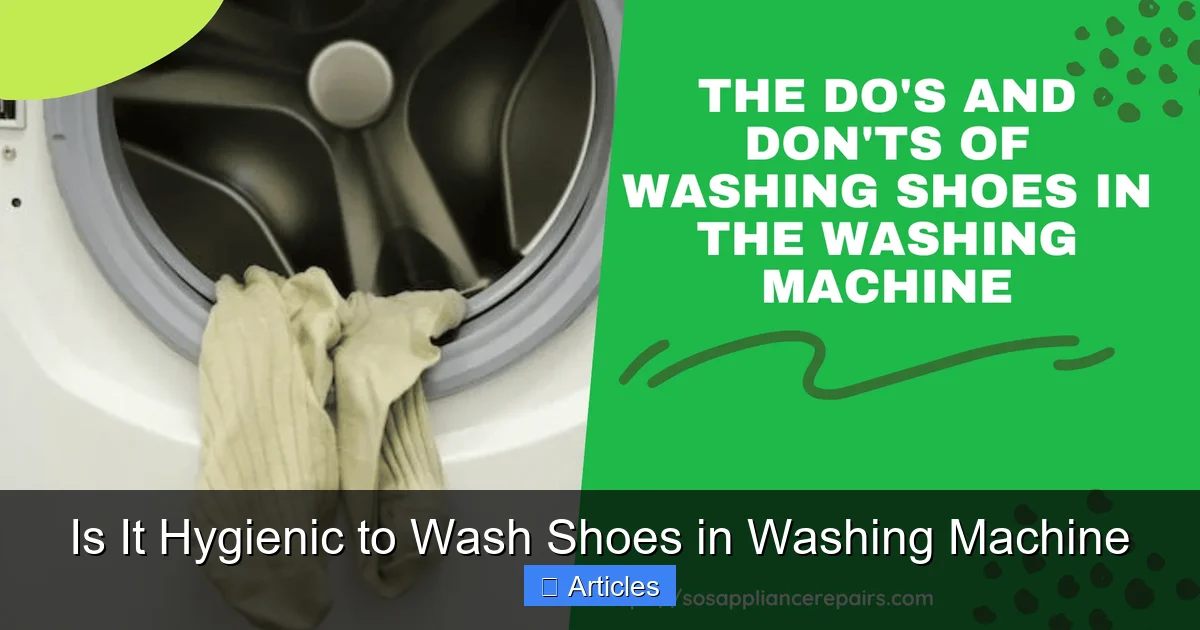
Visual guide about Is It Hygienic to Wash Shoes in Washing Machine
Image source: sosappliancerepairs.com
Which Shoe Types Can Go in the Washer?
Most canvas sneakers, like Converse All-Stars or Vans, are excellent candidates for machine washing. They’re breathable, non-porous, and designed to handle moisture. Similarly, synthetic mesh sneakers (think Nike Air Max or Adidas Ultraboost) often tolerate the wash well—especially if you use a gentle cycle.
Even some rubber-soled boots, such as Crocs or basic rain boots, can survive a quick spin—though always check the label first.
Shoes That Should Never Be Machine-Washed
On the other hand, avoid tossing these into the wash:
- Leather shoes: Leather absorbs water and can crack or warp. Even waterproof leathers aren’t meant for full immersion.
- Suede or nubuck: These porous materials lose their texture and color when wet and are nearly impossible to restore.
- Glued-down soles: Many shoes—especially dress shoes or high-end sneakers—use adhesives that dissolve in water, causing the sole to detach.
- Delicate fabrics with embellishments: Think sequins, beads, or glued-on logos—they won’t survive the spin cycle.
When in doubt, check the care . If it says “Dry Clean Only” or warns against machine washing, listen up.
The Hygiene Benefits of Machine Washing Shoes
So why would anyone even consider washing shoes in the machine? The main reason is deep cleaning power. Unlike wiping with a damp cloth, a washing machine uses agitation, rotation, and detergent to scrub away embedded dirt, sweat residue, and odor-causing bacteria.
Visual guide about Is It Hygienic to Wash Shoes in Washing Machine
Image source: realsimple.com
How Machines Improve Sanitization
Modern washing machines, especially those with sanitize or hot-water cycles, can significantly reduce microbial load on shoes. Bacteria like Staphylococcus aureus and Streptococcus, which thrive in warm, moist environments inside shoes, can be killed by high temperatures (above 140°F/60°C). However, most home machines don’t reach those temps unless you select the “hot” setting—and again, that’s risky for many shoe types.
Another benefit? Odor elimination. Persistent foot odor often stems from trapped sweat and dead skin cells. A thorough wash removes these residues far better than air-drying alone.
But Is It Truly Hygienic?
Here’s the catch: machine washing alone doesn’t guarantee sterilization. Some resilient bacteria or fungi (like athlete’s foot fungus) can survive typical wash cycles. Plus, if mold spores were already present inside your shoes, they might spread to the drum during the wash, contaminating other laundry.
That’s why pre-treatment and post-wash care matter. We’ll cover those in detail below.
Step-by-Step Guide: How to Safely Wash Shoes in a Washing Machine
If you’ve decided your shoes are washable, follow this simple process to maximize hygiene while minimizing damage.
Visual guide about Is It Hygienic to Wash Shoes in Washing Machine
Image source: ohsospotless.com
1. Prep Your Shoes
Start by removing laces, insoles, and shoelaces. These can fray or lose shape. Insoles should be washed separately—sometimes they absorb more odor than the upper part of the shoe. Use an old toothbrush to scrub off visible dirt from soles and crevices before placing them in the machine.
2. Use a Mesh Laundry Bag
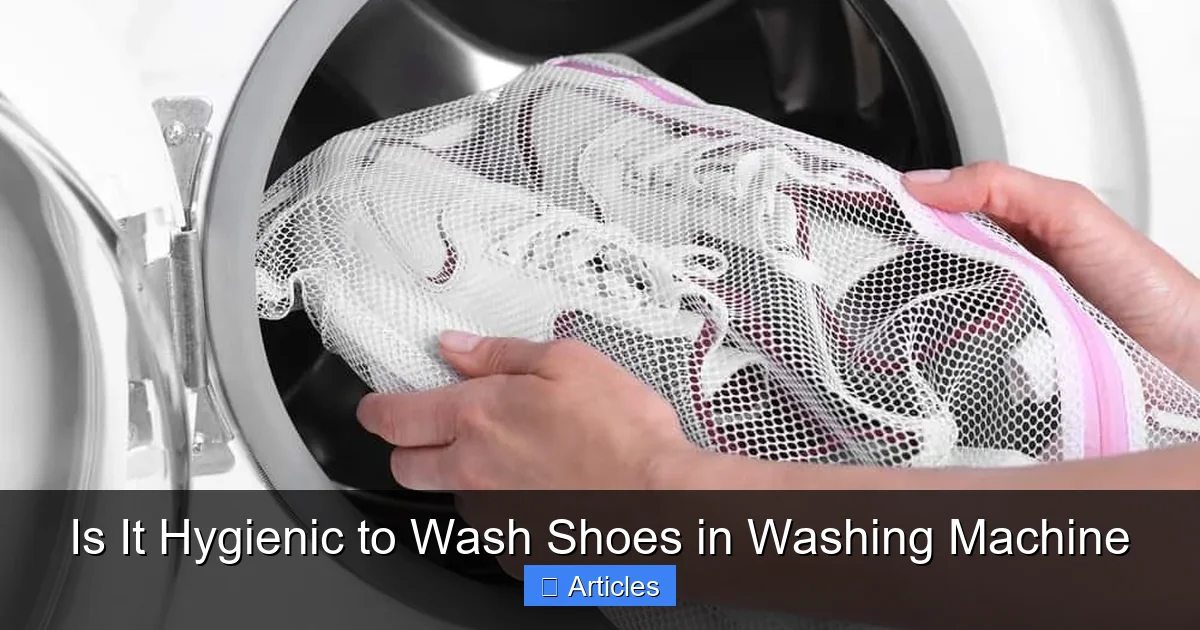
Never put shoes directly into the drum. Instead, place them inside a ventilated mesh laundry bag. This protects the shoes from excessive friction and prevents them from banging together, which could scuff surfaces or loosen stitching.
3. Choose the Right Settings
Opt for a gentle or delicate cycle with cold or warm water. Hot water increases the risk of shrinking synthetic fabrics or weakening adhesives. Avoid the “heavy duty” or “prewash” settings unless your shoes are heavily soiled—even then, proceed with caution.
4. Use Mild Detergent
Avoid bleach or harsh detergents. Instead, use a small amount of mild laundry soap or a specialized sneaker cleaner. Too much suds can leave residue and attract dust.
5. Dry Properly
This is arguably the most critical step. Never put shoes in the dryer unless absolutely necessary and only after testing a small area. Heat causes rubber to harden and glue to fail. Instead, stuff shoes with paper towels or newspaper to help them keep shape and absorb moisture. Place them in a cool, dry, well-ventilated area out of direct sunlight.
For faster drying, you can use a fan or dehumidifier—just ensure airflow reaches inside the shoes.
Common Mistakes People Make When Washing Shoes
Even experienced cleaners sometimes go wrong. Here are frequent errors and how to avoid them.
Mistake #1: Skipping the Laundry Bag
Without protection, shoes collide with the drum and each other, leading to scratches, dents, and loose seams. Always use a mesh bag.
Mistake #2: Using Hot Water
While hot water kills germs, it also shrinks polyester blends, melts plastic eyelets, and breaks down glue. Stick to cold or warm.
Mistake #3: Overloading the Machine
Packing too many shoes into one bag or drum limits water circulation, reducing cleaning effectiveness and increasing wear. Wash pairs individually or in small groups.
Mistake #4: Ignoring Post-Wash Care
Rinsing alone isn’t enough. After drying, inspect shoes for lingering smells. If needed, apply a disinfectant spray or let them sit in sunlight (UV rays naturally sanitize).
Mistake #5: Assuming All Shoes Are Equal
Just because one pair survived the wash doesn’t mean another will. Always assess material and construction before deciding.
When Hand-Washing Is Better Than Machine Washing
Despite the convenience, hand-washing remains the safest option for most sneakers. It gives you full control over pressure, temperature, and drying conditions.
To hand-wash shoes:
- Fill a basin with cold water and a few drops of mild soap.
- Scrub gently with a soft brush, focusing on stained areas.
- Rinse thoroughly and remove excess water by pressing between paper towels.
- Air-dry in a shaded spot.
This method works especially well for white canvas shoes, where you want to avoid yellowing from machine detergent buildup.
Bonus tip: For stubborn stains, mix baking soda and water into a paste, apply it, let it sit for 15 minutes, then rinse.
Maintaining Hygiene Between Washes
Deep cleaning once a month is great—but daily habits make the real difference in foot health and shoe freshness.
- Rotate your shoes: Don’t wear the same pair two days in a row. This allows them to air out and reduces bacterial growth.
- Use moisture-wicking socks: Cotton retains sweat; opt for merino wool or synthetic blends instead.
- Spray with antimicrobial foot powder: Products containing tea tree oil or zinc oxide help neutralize odor.
- Store shoes properly: Keep them in a breathable bag or open shelf—not sealed plastic containers where mold thrives.
These small steps complement machine washing and keep your shoes healthier longer.
Conclusion: Yes, It Can Be Hygienic—With Caution
So, is it hygienic to wash shoes in a washing machine? The short answer is yes—but only under the right conditions. For durable sneakers made of canvas or mesh, a gentle machine wash can effectively remove dirt, kill surface bacteria, and eliminate odors. With proper prep, protection, and drying, you can enjoy cleaner, fresher shoes without sacrificing their lifespan.
However, for delicate or expensive footwear, hand-washing or professional cleaning may be wiser. And remember: no amount of washing replaces good daily hygiene. Keep feet clean, change socks regularly, and give your shoes breathing room between wears.
Ultimately, the goal isn’t just to have clean-looking shoes—it’s to support overall foot health and extend the life of your favorite pairs. When done thoughtfully, machine washing is not only hygienic, it’s practical. Just don’t treat your washing machine like a universal cleaning tool. Your shoes—and your laundry—will thank you.
Frequently Asked Questions
Can washing shoes in the machine kill all germs?
No washing machine cycle completely sterilizes shoes. While hot water and detergent reduce bacteria significantly, some resilient microbes or fungi may survive. Adding a disinfectant spray after washing provides extra protection.
Will my white sneakers turn yellow after machine washing?
Yes, especially if you use bleach or leave detergent residue. To prevent yellowing, use mild soap, rinse thoroughly, and avoid direct sunlight while drying. Storing with silica gel packets also helps.
How often should I wash my shoes?
Every 2–4 weeks for regular use, or immediately after exposure to mud, snow, or strong odors. Overwashing can degrade materials, so balance cleanliness with preservation.
Can I wash leather shoes in the machine?
No, never machine-wash leather shoes. They should be cleaned with a damp cloth and conditioned afterward. Professional leather cleaning is recommended for best results.
What if my shoes smell after washing?
Persistent odor may indicate mold or deep-set bacteria. Try soaking in a solution of vinegar and water (1:1), then air-dry thoroughly. If the smell returns, consider replacing the insoles.
Is it okay to wash multiple pairs of shoes at once?
It’s fine as long as they fit comfortably in the laundry bag and aren’t overcrowded. Avoid mixing very different materials—delicate shoes near rugged ones can cause unnecessary wear.