
Types Of Footwear And Their Names | Complete Guide
Footwear is more than something you wear to protect your feet. The right pair can improve comfort, support movement, complement an outfit, and suit a particular activity or occasion. From everyday sneakers and classic loafers to hiking boots, sandals, slippers, and formal dress shoes, there are many types of footwear designed for different purposes.
Understanding the types of footwear and their names makes it easier to choose the right shoes for work, exercise, travel, casual outings, special occasions, and different weather conditions. This guide explores the most common footwear styles, their defining features, practical uses, and helpful facts.
Everyday and Casual Footwear:

Sneakers
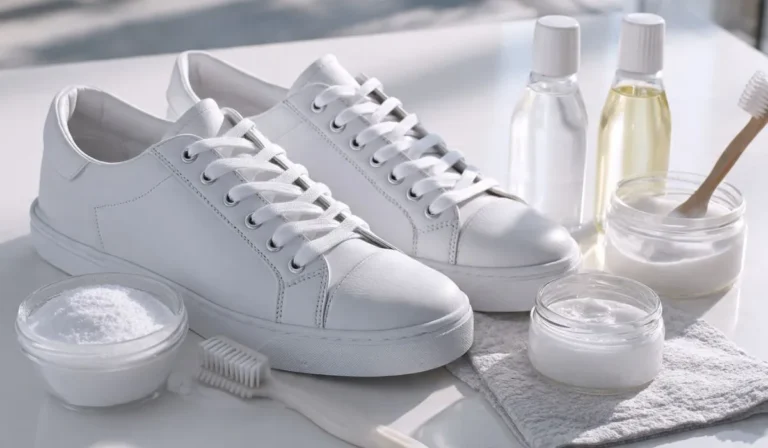
Sneakers are among the most versatile types of footwear. They are designed primarily for comfort and casual wear, although many styles are also made specifically for sports and exercise.
- Best for: Everyday wear, walking, casual outfits
- Key features: Flexible soles, cushioned interiors, breathable uppers
- Common materials: Mesh, leather, synthetic fabrics, canvas
- Style options: Low-top, high-top, slip-on, platform, chunky
- Fact: The word “sneaker” became associated with rubber-soled shoes because they allowed the wearer to move quietly.
Canvas Shoes
Canvas shoes have lightweight fabric uppers and are popular for casual outfits.
- Best for: Walking, everyday errands, casual occasions
- Key features: Lightweight construction and flexible soles
- Common materials: Cotton canvas, synthetic canvas, rubber
- Style: Usually simple and low-profile
- Fact: Canvas shoes are often easier to clean than many delicate leather styles.
Slip-On Shoes
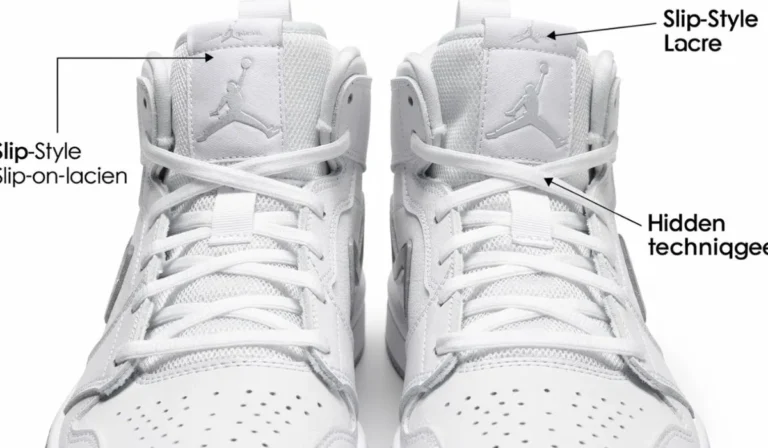
Slip-on shoes do not require traditional laces or complicated fastening.
- Best for: Quick everyday dressing and casual occasions
- Key features: Elastic panels or a simple opening
- Advantages: Easy to put on and remove
- Popular styles: Slip-on sneakers, loafers, casual flats
- Fact: Slip-on footwear is particularly convenient for situations where shoes need to be removed frequently.
Athletic and Sports Footwear:

Running Shoes
Running shoes are specifically designed to provide comfort, cushioning, and stability during running.
- Best for: Running and jogging
- Key features: Cushioning, flexible midsoles, supportive uppers
- Important consideration: Choose a shoe that matches your running surface and personal comfort
- Common types: Road-running shoes, trail-running shoes, lightweight racing shoes
- Fact: Running shoes are generally designed around repetitive forward movement rather than the multidirectional movements common in court sports.
Walking Shoes
Walking shoes prioritize comfort and support during regular walking.
- Best for: Daily walks, travel, commuting
- Key features: Cushioned midsoles, supportive construction, flexible soles
- Advantages: Comfortable for extended periods of walking
- Fact: Walking shoes may have different cushioning and flexibility characteristics from running shoes because walking produces a different movement pattern.
Training Shoes
Training shoes are made for workouts involving multiple types of movement.
- Best for: Gym workouts, strength training, fitness classes
- Key features: Stable soles, moderate cushioning, flexible construction
- Advantages: Suitable for activities that involve lateral movement
- Fact: Cross-training footwear is designed to be versatile rather than optimized for only one sport.
Basketball Shoes
Basketball shoes are designed for quick movements, jumping, and frequent changes of direction.
- Best for: Basketball
- Key features: Traction, cushioning, ankle and foot support
- Common designs: Low-top, mid-top, high-top
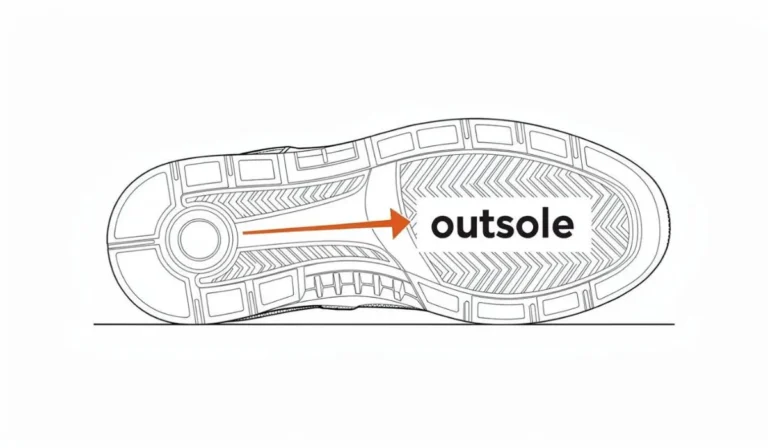
- Important feature: The outsole should provide suitable grip for the playing surface
- Fact: Basketball footwear has evolved considerably as playing styles and shoe technology have changed.
Football Cleats
Football cleats, also called football boots in many countries, are designed to provide traction on grass and other playing surfaces.
- Best for: Football or soccer
- Key features: Studded or molded outsoles
- Upper materials: Synthetic materials, leather, or engineered fabrics
- Purpose: Improve grip and stability during acceleration and direction changes
- Fact: Cleat patterns vary according to playing surface and conditions.
Hiking Shoes
Hiking shoes offer a balance between the lightweight feel of shoes and the protection associated with outdoor footwear.
- Best for: Day hikes, trails, outdoor adventures
- Key features: Durable uppers, grippy outsoles, supportive construction
- Advantages: Usually lighter than traditional hiking boots
- Fact: Hiking footwear often uses specialized outsole patterns to improve traction on uneven terrain.
Formal Footwear:

Oxford Shoes
Oxford shoes are classic formal shoes recognized by their closed-lacing construction.
- Best for: Business wear, formal events, weddings
- Key features: Closed lacing and sleek construction
- Common materials: Leather and polished synthetic materials
- Style: Traditionally formal and refined
- Fact: Oxford shoes are among the most recognizable classic men’s dress shoe styles.
Derby Shoes
Derby shoes resemble Oxfords but use an open-lacing construction.
- Best for: Business, smart-casual outfits, formal occasions
- Key difference: The eyelet sections are attached differently from those on Oxford shoes
- Advantages: Often provide a more flexible fit
- Materials: Leather, suede, and synthetic materials
- Fact: Derby shoes can generally look slightly less formal than traditional Oxfords.
Monk Strap Shoes
Monk strap shoes use a strap and buckle instead of traditional shoelaces.
- Best for: Business outfits and smart occasions
- Types: Single monk strap and double monk strap
- Key feature: Decorative and functional buckle closure
- Style: Distinctive and sophisticated
- Fact: Monk strap shoes can bridge the gap between conventional lace-up dress shoes and more fashion-forward footwear.
Dress Shoes
Dress shoes are a broad category covering polished footwear intended for formal or professional clothing.
- Best for: Weddings, offices, formal dinners, ceremonies
- Common styles: Oxfords, Derbies, monk straps, dress loafers
- Typical materials: Leather or high-quality synthetic alternatives
- Key characteristics: Clean silhouette and refined finish
- Fact: “Dress shoe” describes a category rather than one specific shoe design.
Read next: What Cycle to Wash Shoes on Washing Machine
Loafers and Slip-On Formal Styles:

Loafers
Loafers are low-cut shoes that can be worn without traditional laces.
- Best for: Office wear, smart-casual outfits, social occasions
- Key features: Slip-on construction and low heel
- Popular styles: Penny loafers, tassel loafers, horsebit loafers
- Materials: Leather, suede, synthetic materials
- Fact: Loafers can range from casual to highly formal depending on their construction and material.
Penny Loafers
Penny loafers are a classic loafer style featuring a distinctive strap across the upper.
- Best for: Office outfits, college-inspired looks, smart-casual clothing
- Key feature: Saddle strap across the vamp
- Style: Classic and versatile
- Pair with: Chinos, trousers, dresses, skirts, or tailored clothing
- Fact: Penny loafers became especially associated with American collegiate style.
Tassel Loafers
Tassel loafers feature decorative tassels on the front.
- Best for: Smart-casual and semi-formal outfits
- Key feature: Tassel decoration on the vamp
- Style: More decorative than plain loafers
- Materials: Leather and suede are common
- Fact: Tassel loafers became popular as a distinctive alternative to traditional lace-up dress shoes.
Women’s Footwear:

High Heels
High heels elevate the heel above the toe and are commonly associated with formal and fashion-focused outfits.
- Best for: Parties, formal events, professional outfits, special occasions
- Types: Stiletto, block heel, kitten heel, platform
- Key features: Raised heel and varied toe shapes
- Materials: Leather, suede, synthetic materials, textiles
- Fact: Heel height and shape can significantly change the appearance and walking characteristics of a shoe.
Stiletto Heels
Stilettos are known for their very thin, high heels.
- Best for: Evening wear, parties, formal events
- Key feature: Narrow heel
- Style: Dramatic and elegant
- Consideration: They may require more balance than shoes with wider heels
- Fact: The stiletto heel is named after the stiletto, a type of narrow-bladed dagger.
Block Heels
Block heels have a wider heel that provides a larger base than stilettos.
- Best for: Work, parties, weddings, everyday dressy outfits
- Key advantage: Generally offers greater stability than a narrow heel
- Styles: Pumps, sandals, ankle boots
- Fact: The wider heel distributes pressure across a larger area.
Kitten Heels
Kitten heels are short, relatively narrow heels.
- Best for: Office wear, semi-formal occasions, everyday dressy outfits
- Key feature: Low heel
- Advantages: Provides some elevation without the height of traditional high heels
- Style: Feminine and understated
- Fact: Kitten heels became particularly associated with mid-20th-century fashion.
Ballet Flats
Ballet flats are low-profile shoes inspired by traditional ballet slippers.
- Best for: Casual and semi-formal outfits
- Key features: Flat or nearly flat sole and rounded or pointed toe
- Advantages: Easy to style with dresses, trousers, and skirts
- Materials: Leather, fabric, suede, and synthetic materials
- Fact: Modern ballet flats were popularized as everyday fashion footwear rather than performance shoes.
Pumps
Pumps are usually closed-toe women’s shoes with a raised heel.
- Best for: Business outfits, formal events, professional settings
- Styles: Classic pumps, pointed-toe pumps, round-toe pumps
- Heel options: Low, medium, or high
- Fact: Pumps are one of the most recognizable categories of women’s dress footwear.
Open-Toe and Warm-Weather Footwear:

Sandals
Sandals are open footwear that exposes part or most of the foot.
- Best for: Warm weather, vacations, casual outings
- Key features: Straps and an open construction
- Types: Flat sandals, platform sandals, gladiator sandals, sport sandals
- Materials: Leather, rubber, synthetic materials, textiles
- Fact: Sandals are among the oldest forms of footwear and have been used by civilizations for thousands of years.
Flip-Flops
Flip-flops are simple open sandals usually held on the foot by a Y-shaped strap.
- Best for: Beaches, pools, casual summer use
- Key features: Flat sole and toe-post strap
- Advantages: Lightweight and easy to wear
- Limitations: Usually provide less support than structured footwear
- Fact: Similar thong-style sandals have existed in various cultures for centuries.
Slides
Slides are open-back footwear that can be slipped onto the feet.
- Best for: Home, casual outings, pools, travel
- Key feature: Open heel
- Styles: Sport slides, fashion slides, cushioned slides
- Advantages: Very easy to put on
- Fact: Slides are popular because they combine the convenience of sandals with a simple one-piece upper design.
Gladiator Sandals
Gladiator sandals feature multiple straps crossing around the foot.
- Best for: Summer outfits and fashion styling
- Key feature: Multiple horizontal or vertical straps
- Styles: Ankle-height, mid-calf, knee-high
- Materials: Leather and synthetic materials
- Fact: The style draws inspiration from ancient Roman footwear.
Boots and Cold-Weather Footwear:
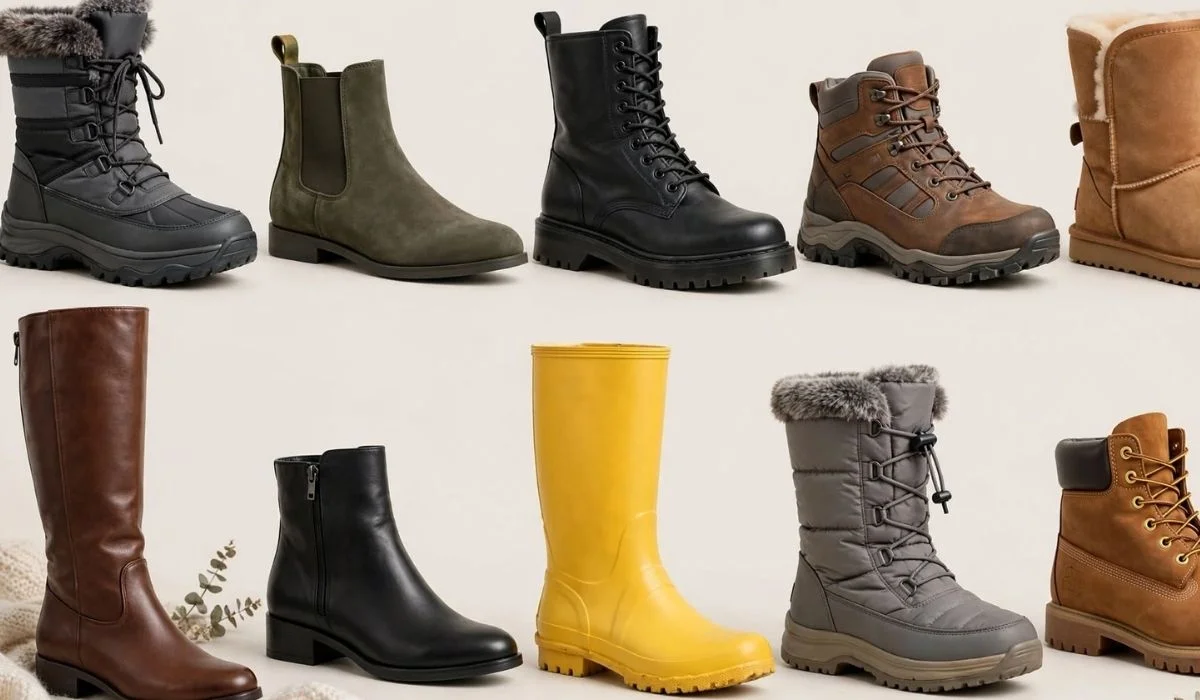
Ankle Boots
Ankle boots cover the foot and extend approximately to the ankle.
- Best for: Everyday wear, fall and winter outfits
- Styles: Chelsea boots, combat boots, heeled ankle boots, western ankle boots
- Materials: Leather, suede, synthetic materials
- Advantages: Easy to combine with jeans, trousers, skirts, and dresses
- Fact: Ankle boots are among the most versatile boot styles because they work across casual and dressier outfits.
Chelsea Boots
Chelsea boots are ankle boots with elastic side panels.
- Best for: Casual, smart-casual, and semi-formal outfits
- Key feature: Elastic side gussets
- Advantages: Easy to pull on and remove
- Style: Sleek and minimal
- Fact: Chelsea boots became strongly associated with British fashion during the 1960s.
Combat Boots
Combat boots are sturdy boots originally associated with military use.
- Best for: Casual fashion, outdoor activities, rugged styling
- Key features: Durable construction and substantial soles
- Style: Edgy and utilitarian
- Common materials: Leather and synthetic materials
- Fact: Modern fashion versions often retain military-inspired details while being designed primarily for everyday wear.
Knee-High Boots
Knee-high boots extend toward or around the knee.
- Best for: Cold-weather outfits and fashion styling
- Styles: Flat, heeled, riding, western
- Materials: Leather, suede, synthetic materials
- Advantages: Provides more coverage than ankle boots
- Fact: Knee-high boots can add warmth while creating a visually elongated leg line.
Snow Boots
Snow boots are designed for cold, snowy, and wet conditions.
- Best for: Snow, winter travel, cold outdoor environments
- Key features: Insulation, water-resistant or waterproof construction, traction
- Common materials: Synthetic textiles, rubber, leather
- Important consideration: Look for appropriate insulation and outsole traction for the conditions
- Fact: Snow boots prioritize protection from cold and moisture rather than lightweight construction.
Rain Boots
Rain boots are designed to keep feet protected from wet conditions.
- Best for: Rainy weather, gardening, muddy environments
- Key features: Water-resistant or waterproof construction
- Common materials: Rubber and waterproof synthetic materials
- Styles: Ankle boots, mid-calf, knee-high
- Fact: Traditional rubber rain boots are often called Wellington boots or wellies in some regions.
Traditional and Cultural Footwear:

Moccasins
Moccasins are traditionally soft shoes associated with Indigenous peoples of North America, with many modern versions inspired by traditional designs.
- Best for: Casual wear and comfortable indoor or outdoor use, depending on construction
- Key features: Soft upper and flexible construction
- Materials: Traditionally leather or hide; modern versions use various materials
- Style: Relaxed and distinctive
- Fact: Authentic traditional moccasin designs vary considerably among Indigenous nations.
Espadrilles
Espadrilles are traditionally lightweight shoes associated with a flexible sole made using natural-fiber materials.
- Best for: Summer, vacations, casual outfits
- Key features: Rope or rope-like sole construction
- Styles: Flats, wedges, sandals
- Materials: Canvas, cotton, leather, and natural fibers
- Fact: Espadrilles have long-standing roots in regions of Spain and southern France.
Clogs
Clogs are footwear characterized by a sturdy sole, traditionally associated with wood.
- Best for: Casual wear, workwear, and fashion
- Key features: Firm sole and roomy upper
- Styles: Open-back and closed-back
- Materials: Wood, leather, rubber, synthetic materials
- Fact: Traditional clog designs developed independently in several parts of Europe.
Home and Comfort Footwear:

Slippers
Slippers are comfortable footwear designed mainly for indoor use.
- Best for: Home and relaxation
- Key features: Soft lining and comfortable construction
- Styles: Open-back slippers, closed slippers, moccasin slippers
- Materials: Fabric, fleece, wool, synthetic materials
- Fact: Many slippers are designed with soft uppers because they are intended for low-impact indoor activities.
House Shoes
House shoes are indoor footwear designed to provide more structure than basic socks or soft slippers.
- Best for: Household activities
- Features: Cushioned footbeds and indoor-friendly soles
- Advantages: Provides warmth and protection while moving around the home
- Fact: The boundary between house shoes and slippers is flexible and varies by brand and region.
Specialized Footwear:

Work Boots
Work boots are built for demanding work environments.
- Best for: Construction, industrial work, outdoor labor
- Key features: Durable uppers, protective toes on some models, slip-resistant outsoles
- Materials: Leather and synthetic materials
- Important: Safety requirements vary by occupation, so workers should choose footwear that meets their workplace standards
- Fact: Some work boots are manufactured to meet specific occupational safety standards.
Steel-Toe Boots
Steel-toe boots contain a protective reinforcement over the toes.
- Best for: Certain industrial and construction environments
- Key feature: Protective toe cap
- Purpose: Helps protect against specific impact and compression hazards
- Important consideration: Not every steel-toe boot provides the same level of protection
- Fact: Safety footwear should be selected according to the hazards present in the workplace.
Water Shoes
Water shoes are designed for activities around water.
- Best for: Beaches, kayaking, water parks, boating
- Key features: Quick-draining materials and grippy soles
- Advantages: Helps protect feet from rough surfaces and improves traction
- Materials: Mesh, rubber, synthetic textiles
- Fact: Water shoes are generally designed to drain water more effectively than ordinary sneakers.
Cycling Shoes
Cycling shoes are designed to improve efficiency and connection with bicycle pedals.
- Best for: Road cycling, mountain biking, indoor cycling
- Key features: Stiff soles and specialized pedal compatibility in some models
- Types: Clipless-compatible and flat-pedal cycling shoes
- Fact: A stiffer sole can help transfer force more efficiently during pedaling.
Dance Shoes
Dance shoes are made specifically for different forms of dance.
- Best for: Ballet, ballroom, jazz, tap, and other dance styles
- Key features: Specialized soles and flexibility
- Design: Varies significantly depending on dance discipline
- Important consideration: Different dances require different levels of grip, flexibility, and movement
- Fact: Ballet slippers, tap shoes, jazz shoes, and ballroom shoes are all specialized forms of dance footwear.
How to Choose the Right Type of Footwear:
Consider the Purpose
Start by deciding what you will be doing while wearing the footwear.
- Walking requires comfort and suitable support.
- Running requires footwear designed for repetitive running movement.
- Hiking calls for traction and durability.
- Formal occasions generally call for polished, refined footwear.
- Wet environments require water-resistant or quick-draining construction.
- Work environments may require certified protective footwear.
Think About Fit
A stylish shoe is not useful if it does not fit comfortably.
- Measure both feet because they may differ slightly in size.
- Check for enough room around the toes.
- Avoid footwear that creates uncomfortable pressure points.
- Consider the socks you normally wear with the shoes.
- Try footwear while standing and walking when possible.
Match Footwear With the Environment
The surrounding conditions can influence which footwear is appropriate.
- Hot weather: Sandals, breathable sneakers, espadrilles
- Rain: Rain boots, water-resistant shoes
- Snow: Insulated snow boots
- Trails: Hiking shoes or boots
- Gym: Training shoes
- Office: Loafers, Oxfords, Derbies, pumps
Look at Construction and Materials
Different materials offer different characteristics.
- Leather: Durable and often develops a distinctive appearance with use
- Suede: Soft and stylish but requires more careful maintenance
- Canvas: Lightweight and casual
- Mesh: Breathable and commonly used in athletic footwear
- Rubber: Useful for traction and water resistance
- Synthetic materials: Can offer a wide range of performance and price options
Quick Guide to Footwear Names
Here is a simple way to remember common types of footwear:
- Sneakers: Casual and athletic everyday shoes
- Running shoes: Designed for running
- Loafers: Slip-on shoes with a smart appearance
- Oxfords: Formal closed-lace dress shoes
- Derbies: Formal or smart shoes with open lacing
- Monk straps: Dress shoes secured with buckles
- Ballet flats: Low, lightweight women’s shoes
- Pumps: Closed-toe women’s dress shoes
- Sandals: Open footwear with straps
- Flip-flops: Flat sandals with a toe-post strap
- Slides: Open-back slip-on footwear
- Ankle boots: Boots ending around the ankle
- Chelsea boots: Ankle boots with elastic side panels
- Combat boots: Rugged military-inspired boots
- Rain boots: Waterproof footwear for wet conditions
- Snow boots: Insulated footwear for cold and snowy conditions
- Clogs: Sturdy shoes traditionally associated with wooden soles
- Espadrilles: Lightweight footwear traditionally featuring rope-style soles
- Slippers: Soft footwear primarily designed for indoor comfort
- Work boots: Durable footwear for demanding work environments
- Water shoes: Footwear designed for activities around water
Final Thoughts
The world of footwear includes far more than sneakers, sandals, and boots. Each style has a particular construction, purpose, appearance, and level of protection. Knowing the types of footwear and their names can make shopping easier and help you select shoes that match your activity, outfit, environment, and comfort needs.
For everyday use, sneakers and loafers are versatile choices. Athletic activities require sport-specific designs, while formal occasions often call for Oxfords, Derbies, pumps, or other dress shoes. Sandals and flip-flops work well for many warm-weather situations, while boots provide additional coverage and protection in colder or wetter conditions.
The best footwear is ultimately the pair that suits the activity, fits properly, and provides the features you actually need.
FAQs About Types of Footwear and Their Names
How many types of footwear are there?
There are many types of footwear, and the exact number depends on how styles are categorized. Common categories include sneakers, boots, sandals, loafers, dress shoes, athletic shoes, slippers, and specialized footwear.
What are the most common types of footwear?
Some of the most common types include sneakers, sandals, flip-flops, loafers, boots, flats, running shoes, dress shoes, slippers, and athletic shoes.
What is the difference between Oxfords and Derby shoes?
The main construction difference is the lacing system. Oxford shoes traditionally use closed lacing, while Derby shoes use open lacing. This can make Derbies feel more accommodating for some foot shapes.
What type of footwear is best for everyday use?
Sneakers, walking shoes, loafers, flats, and casual slip-on shoes can all work well for everyday use. The best option depends on your activity level, environment, outfit, and personal comfort.
Are sneakers and running shoes the same?
No. Sneakers are a broad category of casual and athletic footwear, while running shoes are specifically designed for running. Running shoes typically include features intended for repetitive running movement.
What footwear is best for rainy weather?
Rain boots and appropriately waterproof or water-resistant shoes are common choices for rainy conditions. The best option depends on how much water exposure you expect and how long you will be outdoors.
What are the different types of women’s footwear?
Popular women’s footwear includes ballet flats, pumps, high heels, stilettos, block heels, sandals, loafers, sneakers, ankle boots, knee-high boots, and slippers.
What are the different types of men’s footwear?
Common men’s footwear includes Oxfords, Derbies, loafers, monk strap shoes, sneakers, boots, sandals, running shoes, hiking shoes, and work boots.
What are slip-on shoes called?
Several footwear styles are slip-ons, including loafers, slides, certain sneakers, mules, and some slippers. “Slip-on” describes the way footwear is put on rather than one specific shoe style.
What footwear is best for hiking?
Hiking shoes and hiking boots are common choices. Hiking shoes may suit lighter trails, while boots can provide additional coverage and support depending on their construction.
What are the different types of boots?
Popular boot styles include ankle boots, Chelsea boots, combat boots, hiking boots, work boots, rain boots, snow boots, knee-high boots, riding boots, and western boots.
What are the oldest types of footwear?
Sandals and simple foot coverings are among the oldest known forms of footwear. Archaeological discoveries show that humans have used various forms of protective footwear for thousands of years.
Why is choosing the right footwear important?
The right footwear can improve comfort, provide appropriate traction and protection, and suit the demands of a particular activity. Poorly suited footwear can also make walking or exercising uncomfortable.
How should footwear fit?
Footwear should feel secure without painful pressure. There should generally be adequate space around the toes, and the heel should not move excessively while walking. Fit can vary by shoe design and individual foot shape.