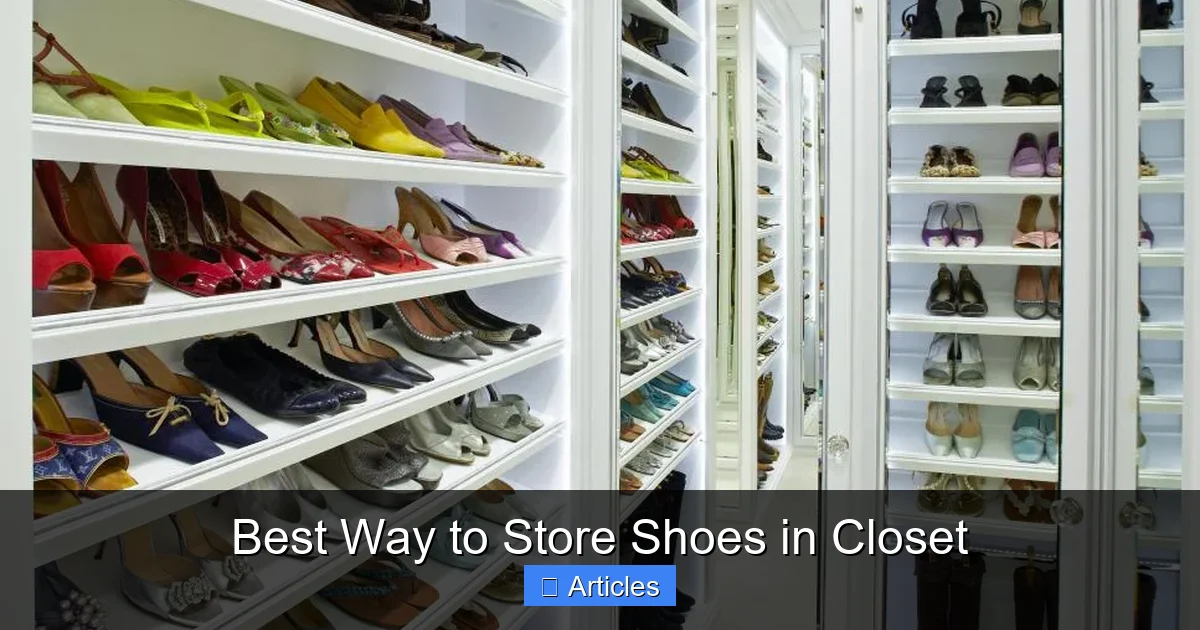
Best Way to Store Shoes in Closet | Best Space-Saving Methods
Storing shoes properly in your closet not only saves space but also keeps them looking fresh and extends their lifespan. Whether you’re dealing with sneakers, heels, or boots, the right storage method makes all the difference. With smart organization techniques and the right tools, you can transform a cluttered closet into a stylish, functional shoe haven.
Imagine opening your closet and being greeted—not by a chaotic jumble of shoes, but by a neat, accessible display that looks as good as it functions. Whether your closet is small or spacious, knowing the best way to store shoes in closet can transform the entire space. From sneakers to stilettos, boots to sandals, proper storage isn’t just about aesthetics—it protects your investment, reduces clutter, and makes getting ready a breeze.
The truth is, most people don’t think twice about how they store their shoes until something goes wrong: heels lose their shape, sneakers get crushed at the bottom of a pile, or dust and dirt accumulate on delicate fabrics.
But with a few simple strategies, you can keep your footwear in top condition while maximizing every inch of closet space. In this guide, we’ll walk you through practical, easy-to-implement methods that work for any shoe type, any closet size, and any lifestyle.
Best Way to Store Shoes in Closet:
- Use vertical space: Install shelves, over-the-door racks, or stackable shoe organizers to make the most of limited closet real estate.
- Categorize by type and season: Group similar shoes together and rotate seasonal footwear to reduce clutter and improve accessibility.
- Invest in breathable storage: Use canvas or mesh shoe bags instead of plastic to prevent moisture buildup and protect delicate materials.
- Keep heels upright: Store high heels vertically or use individual heel stands to maintain shape and avoid warping.
- Label everything: Clear labels help you quickly find what you need and maintain order over time.
- Clean before storing: Always wipe down soles and let shoes dry completely to prevent odor and mildew.
- Rotate frequently: Regularly assess your collection and donate unused pairs to keep your closet organized year-round.
📑 Table of Contents
- Why Proper Shoe Storage Matters
- Assess Your Closet Space First
- Choose the Right Storage Containers
- Organize by Category and Season
- Maximize Vertical Space
- Protect Delicate and Specialty Shoes
- Maintain Daily Habits for Long-Term Organization
- Smart Solutions for Small Closets
- Conclusion: Your Closet, Your Way
Why Proper Shoe Storage Matters
Shoes are more than just footwear—they’re an extension of your personal style and often represent a significant financial investment. High-quality boots, designer heels, or vine sneakers deserve more than just tossing into a corner. When stored improperly, shoes can warp, crack, or develop unpleasant odors. Moisture, pressure, and poor airflow all contribute to long-term damage.
Beyond preservation, organized shoe storage improves daily life. No more digging through piles or spending five minutes trying to find the right pair. A well-organized closet means less stress and more time to enjoy your day. Plus, when shoes are visible and accessible, you’re more likely to wear them—keeping your wardrobe balanced and your confidence high.
Assess Your Closet Space First
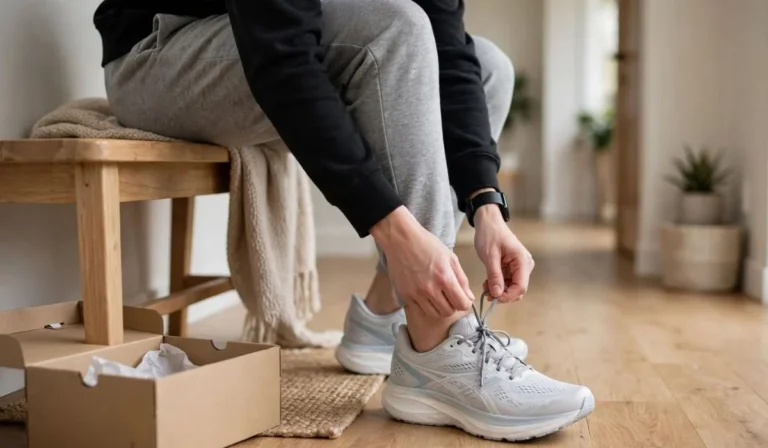
Visual guide about Best Way to Store Shoes in Closet
Image source: bestwaystore.es
Before diving into storage solutions, take a moment to evaluate your closet. Is it deep enough? Tall enough? Are there shelves, hooks, or hanging rods you’re not using? Understanding your space is the first step toward effective organization. Measure the width, height, and depth of available areas—including under shelves and behind doors.
If your closet is shallow, consider using slimline shoe boxes or stacking shoes horizontally. For tall spaces, vertical stacking or hanging shoe organizers can work wonders. If you have a walk-in closet with multiple sections, assign zones: one for casual shoes, another for formal wear, and maybe even a seasonal rotation area.
Don’t forget about the floor! If your closet has extra space, a small rack or cube organizer on the floor can hold boots or sandals. Just make sure it’s off the ground to protect from dust and moisture.
Choose the Right Storage Containers

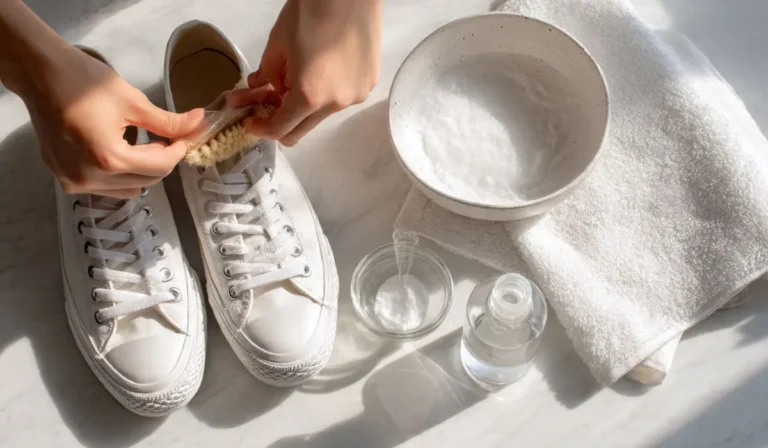
Visual guide about Best Way to Store Shoes in Closet
Image source: bestwaystore.es
Not all shoe boxes are created equal. The best way to store shoes in closet depends heavily on the container you choose. Avoid flimsy cardboard boxes unless they’re sealed in plastic—they offer little protection and can tear easily.
Opt for sturdy, clear plastic bins with secure lids if you want visibility and durability. These allow you to see contents without opening every box. For delicate items like silk flats or suede boots, consider canvas or fabric shoe bags with drawstrings. They’re breathable, lightweight, and gentle on materials.
For everyday wear, reusable mesh shoe organizers are fantastic. They’re lightweight, washable, and perfect for keeping pairs together. Plus, they take up almost no space when collapsed. Look for ones with individual pockets or compartments to prevent shoes from rubbing against each other.
Pro Tip:
Avoid storing shoes in direct sunlight or near heat sources. UV rays fade colors, and excessive warmth can warp leather or glue.
Organize by Category and Season

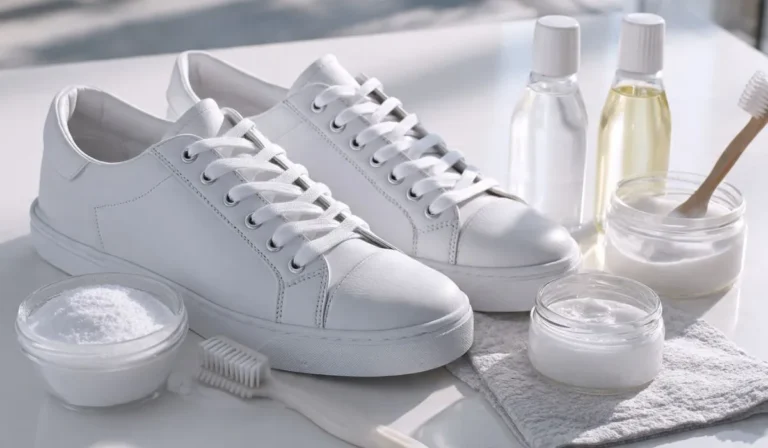
Visual guide about Best Way to Store Shoes in Closet
Image source: bestwaystore.es
One of the most effective ways to organize your shoes is by category—grouping similar types together. Keep all sneakers in one section, heels in another, and boots at the back or on lower shelves. This makes it easier to find what you need and ensures balance across your wardrobe.
Next, factor in seasonality. Rotate shoes based on weather and occasion. In winter, store summer sandals in labeled bins at the back. In spring, bring out light flats and loafers. This reduces visual clutter and helps you make intentional choices about what to wear.
Use color coding or s to distinguish seasons. For example, blue labels for summer, red for winter. This visual cue helps you (and anyone else using the closet) stay on track.
Example:
If you have 15 pairs of shoes, divide them into three categories: Everyday (7 pairs), Special Occasion (5 pairs), and Seasonal (3 pairs). Store Everyday shoes in clear bins at eye level for quick access. Special Occasion pairs go in labeled fabric bags higher up. Seasonal shoes live in opaque bins at the top or bottom.
Maximize Vertical Space
Closets are vertical by nature—so why not use that to your advane? Over-the-door shoe organizers are a game-changer, especially in small spaces. These mesh pockets attach to the inside of your closet door and can hold up to 20 pairs. They’re perfect for flats, ballet slippers, or even kids’ shoes.
Install floating shelves above your hanging clothes. These are ideal for bulky items like boots, wedges, or platform shoes. Make sure the shelf is sturdy enough to support weight and positioned so shoes don’t block the main clothing section.
Another clever trick: use tension rods across the middle of your closet to create a second hanging level. Hang shoe bags or foldable organizers from these rods to double your capacity.
Bonus Hack:
Use a pegboard mounted on the wall inside the closet door. Add hooks and small baskets to hang individual shoe pairs or accessories like insoles or polish.
Protect Delicate and Specialty Shoes
Some shoes need special care. High heels, for instance, should never be stored flat in a pile. Instead, place them upright in a dedicated heel stand or use foam inserts in boxes to keep them stable. This prevents the heel from bending or the toe from collapsing.
Suede and leather shoes require breathable storage. Never seal them in plastic unless absolutely necessary—moisture can cause mold. Use cedar shoe trees inside boots to maintain shape and absorb odors. For sneakers with glued soles, store them with a thin piece of cardboard between pairs to prevent sticking.
If you have vine or heirloom shoes, consider displaying them in shadow boxes or glass cases. This protects them while still showing off their beauty.
Maintain Daily Habits for Long-Term Organization
Even the best storage system falls apart without consistent habits. After wearing a pair, wipe the soles with a damp cloth and let them air-dry before placing them back. Return shoes to their designated spot immediately—don’t leave them on the floor or dresser.
Every three months, do a closet audit. Remove all shoes, inspect for damage, clean thoroughly, and reassess storage needs. Donate or sell pairs you no longer wear. A clutter-free closet is a happy closet.
Also, invest in a small shoe care kit: cedar balls, microfiber cloths, and a brush for cleaning. Keeping these nearby makes maintenance effortless.
Smart Solutions for Small Closets
Living in a compact space doesn’t mean sacrificing shoe storage. In fact, small closets demand creativity. Use slim vertical dividers inside boxes to fit more pairs. Stack shoes sideways—like puzzle pieces—to save space.
If your closet lacks shelves, try a rolling cart with multiple tiers. Push it in when not in use, pull it out when needed. It’s mobile, adjustable, and perfect for apartments or tiny homes.
For extremely narrow closets, consider a wall-mounted shoe rack with rotating tiers. These spin 360 degrees and fit snugly in corners or along walls.
Real-Life Example:
Sarah, a busy mom with two young kids, had a 4-foot-wide closet. She installed an over-the-door organizer for casual shoes, added a floating shelf for boots, and used clear bins for seasonal pairs. Now, her kids can pick their own shoes in seconds, and she spends less time untangling mismatched pairs.
Conclusion: Your Closet, Your Way
There’s no one-size-fits-all answer to the best way to store shoes in closet, but there are universal principles: protect, preserve, and prioritize accessibility. Whether you’re organizing a minimalist capsule collection or a 50-pair shoe lover’s paradise, thoughtful storage makes life easier and your shoes last longer.
Start small—maybe just sorting your current pairs into categories or trying an over-the-door organizer. Once you see how much better everything looks and works, you’ll wonder why you waited so long. With the right system, your closet won’t just be functional—it’ll inspire you every morning.
Remember: organization isn’t about perfection. It’s about making choices that work for your lifestyle. So go ahead—measure your space, gather your favorite containers, and begin building a shoe storage system that feels both beautiful and practical. Your future self will thank you.
Frequently Asked Questions
How should I store high heels to prevent damage?
Store high heels upright in a dedicated heel stand or use foam inserts in boxes to maintain shape. Avoid stacking them flat, as this can bend the heel and deform the toe. Keeping them in individual compartments prevents scratches and warping.
Can I store wet shoes in my closet?
Never store wet shoes directly in your closet. Always let them air-dry completely—preferably away from direct heat—before placing them in storage. Moisture can lead to mold, mildew, and unpleasant odors that spread to other items.
Are plastic shoe boxes better than fabric bags?
It depends on the situation. Plastic boxes are great for protection and visibility, but they trap moisture. Fabric or mesh bags are breathable and ideal for delicate materials. For long-term storage, use plastic, but for regular use, opt for breathable options.
How often should I rotate my shoes?
Rotate shoes seasonally or every 3–6 months. This gives each pair time to rest and recover, reducing wear and tear. It also helps prevent sole flattening and material fatigue.
What’s the best way to organize sneakers?
Group sneakers by type (athletic, casual, formal) and store them side-by-side in clear bins or on a low shelf. Use dividers to keep them upright and prevent scuffing. Clean them regularly to avoid grime buildup.
Can I use a shoe rack on the closet floor?
Yes, especially for bulky items like boots or sandals. Choose a rack with wheels for easy access and ensure it’s elevated slightly off the ground to protect from dust and moisture. Make sure it fits comfortably without blocking walkways.