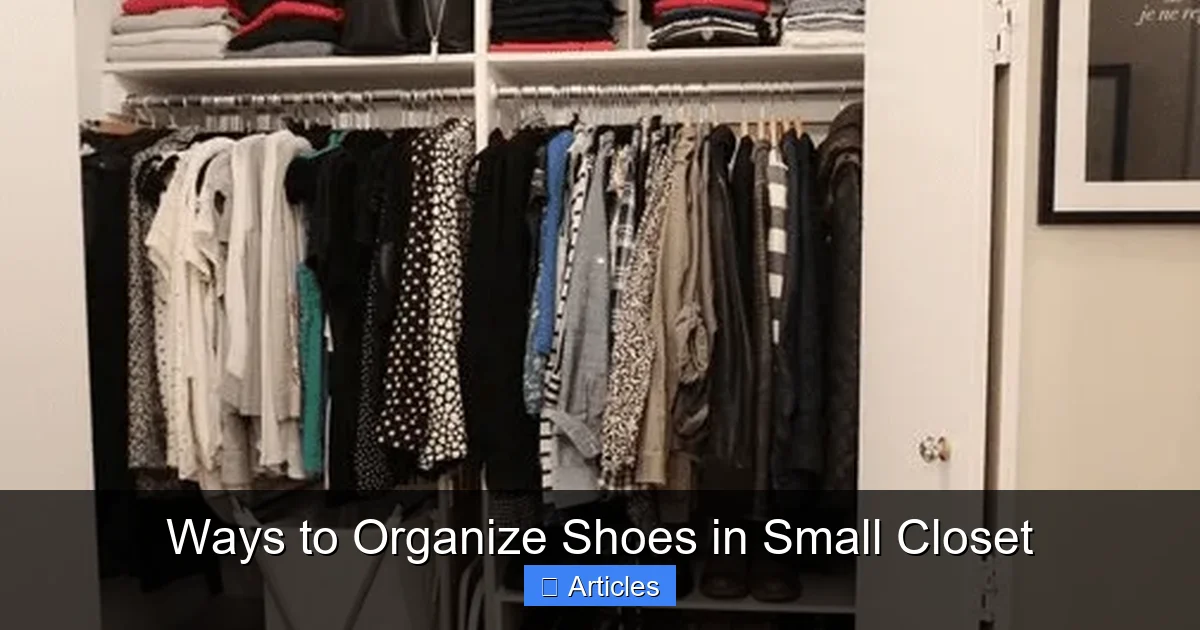
Ways to Organize Shoes in Small Closet | Small Closets and Tight Spaces
Struggling to fit all your favorite shoes in a cramped closet? You’re not alone—many people face this challenge when space is limited. With the right organization strategies, you can transform even the smallest closet into a functional shoe haven. From vertical stacking to under-bed storage, these practical tips will help you reclaim your space and reduce clutter.
If you’ve ever opened your closet door only to be met with a tangled pile of boots, sneakers, and sandals, you know how frustrating it can be—especially in small spaces.
A well-organized shoe collection doesn’t just look better; it saves time, reduces stress, and extends the life of your footwear by keeping them clean and protected. In this guide, we’ll walk through practical, budget-friendly ways to organize shoes in small closets so you can enjoy both style and functionality without sacrificing precious square fooe.
The truth is, most small closets weren’t built with shoe storage as a priority. But with a few clever tricks and some thoughtful planning, you can turn chaos into calm.
If your closet has just enough room for a single hanging rod or barely fits a shoe rack, there are solutions tailored to every layout. Let’s dive into five proven methods that make the most of every inch.
Ways to Organize Shoes in Small Closet:
- Use vertical space: Install shelves or stackable organizers to maximize height in your small closet.
- Invest in clear containers: Clear bins allow you to see contents at a glance without opening each one.
- Label everything: Labels help you quickly find the right pair and maintain order over time.
- Utilize under-bed storage: This often-overlooked space can hold seasonal or infrequently worn shoes.
- Rotate seasonal footwear: Keep only current-season shoes visible; store off-season pairs out of sight.
- Choose slim-profile organizers: Opt for narrow dividers that don’t take up valuable closet real estate.
- Declutter regularly: Remove broken or unworn shoes to free up room for what truly matters.
📑 Table of Contents
1. Maximize Vertical Space with Stackable Dividers
One of the easiest ways to add storage capacity is by going upward—literally. Instead of spreading shoes out across the floor or shelf, use vertical dividers that allow multiple pairs to sit side by side on a single level. These slim, interlocking racks slide neatly between shelves or hang from rods and create individual compartments for each pair.
For example, if your closet already has a top shelf, install a double-tiered shoe organizer with fabric pockets or mesh panels. This setup lets you display six or more pairs vertically while keeping laces and s visible. Choose materials like canvas, nylon, or metal depending on your aesthetic and durability needs.
Another trick: fold down a shelf or use an over-the-door shoe rack if your ceiling allows. Just remember to secure it properly to avoid accidents. When selecting dividers, look for adjustable widths so they fit different shoe sizes—from high heels to wide boots.
Why It Works
Vertical organization takes advane of unused height and prevents shoes from tumbling over. Plus, it keeps your feet dry by preventing dirt from being tracked onto lower levels.
2. Utilize Under-Bed Storage Solutions
You might not think of your bedroom floor as part of your closet system—but why limit yourself? The area beneath your bed is prime real estate for storing shoes that aren’t used daily, such as winter boots, formal wear, or vacation sandals.
Clear plastic bins with zippered lids work wonders here. They protect shoes from dust while letting you spot what’s inside without digging. Label each bin (“Winter Boots,” “Evening Shoes”) so you know exactly where to find what you need.
If you prefer rolling options, consider flat-bottomed storage totes designed specifically for under-bed use. These glide smoothly and come in stackable versions for extra capacity. For smaller shoes like slippers or ballet flats, try mesh bags—they breathe better and compress easily.
Pro Tip
Keep seasonal shoes in labeled bins and rotate them every few months. That way, your main closet stays clutter-free and focused on everyday wear.
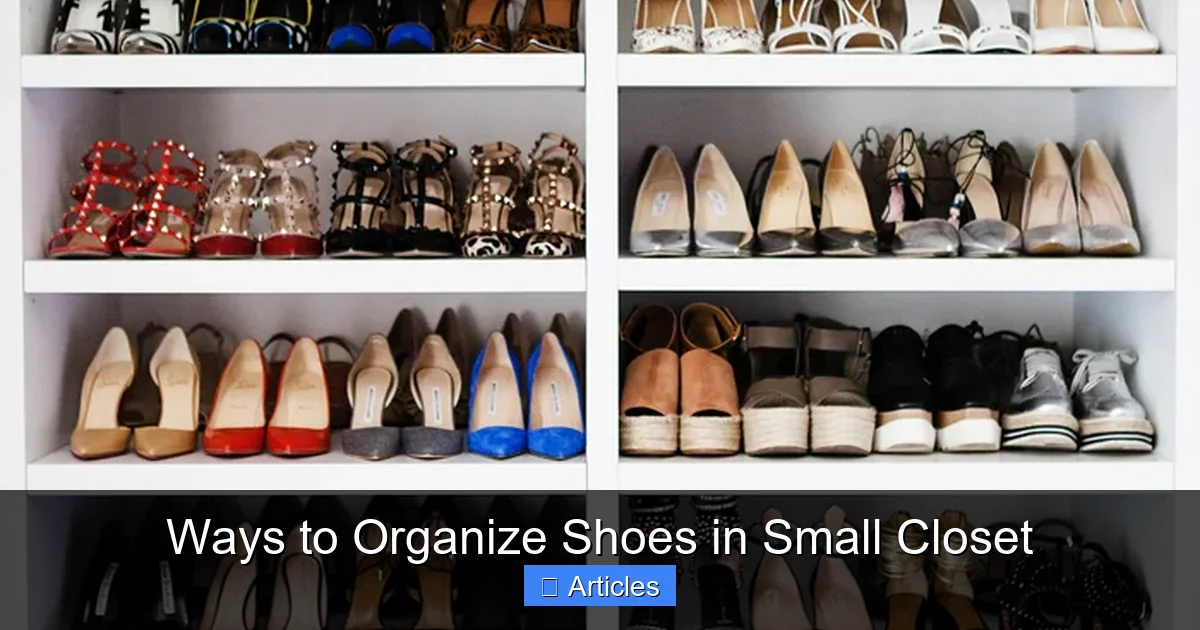
Visual guide about Ways to Organize Shoes in Small Closet
Image source: simplyspaced.com
3. Install Over-the-Door Organizers
Doors in small closets often go underused—until now. An over-the-door shoe organizer adds instant pocketed storage without taking up floor space. These typically feature clear front pockets where you can slide in individual shoes or place small items like socks or accessories.
Look for ones with reinforced grommets and durable fabric that won’t tear from weight. Some models include hooks for belts or scarves too, making them versatile additions to any cramped wardrobe.
Place this organizer behind your closet door or even on an interior wall if possible. It’s perfect for apartments, dorm rooms, or homes with minimal closet depth. Just ensure the door opens fully so the organizer doesn’t get pinched shut.
Bonus Use Case
Use the back of a bathroom door for delicate footwear like open-back sandals or thin loafers—just make sure the surface is clean and dry.

Visual guide about Ways to Organize Shoes in Small Closet
Image source: diyncrafts.com
4. Create Custom Shelving Systems
When standard solutions don’t fit your space, it’s time to get creative—and maybe a little handy with tools. Building custom shelving using wood planks, brackets, and tension rods allows you to tailor storage precisely to your closet dimensions.
Start by measuring the width, height, and depth of available wall space. Then plan a layout that includes horizontal shelves spaced about 6–8 inches apart—enough room for most shoes without crowding. Add lip-edged boards to prevent toes from slipping off.
For a sleek look, paint everything white or match your existing decor. If DIY isn’t your thing, hire a local carpenter or check out IKEA’s modular shelving kits, which offer flexible configurations at affordable prices.
Smart Design Tips
- Leave gaps between shelves for tall boots.
- Angle lower shelves slightly forward so shoes don’t roll backward.
- Include a small drawer or basket at eye level for frequently used pairs.
5. Go Transparent with Clear Bins and Drawers
Sometimes, the best solution is visibility. Clear acrylic or plastic bins let you see your entire collection at a glance, eliminating guesswork and saving time spent rummaging through piles. Place them side-by-side on a low shelf or within built-in drawers for a clean, modern look.
These bins also protect shoes from moisture and dust, especially useful in humid climates or shared living spaces. Choose stackable designs to build upward if floor space is tight. For added flair, line the bottom with felt or velvet to prevent scuffs.
Label each container with a sharpie or printed sticker—this simple step makes maintenance effortless and encourages consistent tidiness.
Where to Use Them
Perfect for grouping similar styles (athletic shoes, dress shoes, heels), color-coordinated sets, or even gift-wrapping supplies for future use.

Visual guide about Ways to Organize Shoes in Small Closet
Image source: sp-ao.shortpixel.ai
6. Declutter Ruthlessly Before Organizing
No amount of fancy storage will fix a closet overflowing with unnecessary footwear. Before implementing any new system, conduct a full audit: lay out every pair and ask yourself honestly, “Do I wear this regularly? Does it still fit? Is it repairable?”
Set aside broken soles, ill-fitting shoes, or styles you haven’t worn in over a year. Donate gently used pairs to shelters or sell them online. Keeping only what serves you frees up massive amounts of space and reduces decision fatigue.
Remember: less is more when it comes to shoe collections. Aim for a capsule wardrobe principle—curate a small, versatile set that works across seasons and occasions.
Quick Decluttering Checklist
- Wear each shoe around the house for 10 minutes.
- Check for loose seams, worn treads, or discomfort.
- Pretend you’ve never owned them—would you buy them again today?
Final Thoughts: Small Spaces, Big Impact
Organizing shoes in a small closet isn’t just about aesthetics—it’s about creating order in your daily routine. When everything has its place, getting dressed becomes faster, your shoes last longer, and your overall sense of control improves. The key lies in combining smart design choices with consistent habits.
Start small: pick one method—like installing over-the-door organizers—and master it before moving on. Celebrate progress, not perfection. And don’t forget to involve family members in maintaining the system; shared responsibility keeps clutter at bay.
With these strategies, even the tiniest closet can become a model of efficiency and elegance. Your future self will thank you every morning when you spot your favorite pair waiting right where you left them.
Frequently Asked Questions:
How do I organize shoes without a closet?
Use under-bed storage bins, over-the-door organizers, or freestanding shoe racks. Clear containers with labels help keep things visible and accessible. Rotate seasonal footwear to manage volume.
Can I fit more shoes in my small closet with vertical dividers?
Absolutely! Vertical dividers stack shoes upright, maximizing shelf space and keeping them stable. Look for adjustable-width models to accommodate different shoe types and sizes.
What’s the best material for shoe storage boxes?
Clear plastic offers visibility and protection from dust. Fabric mesh is breathable and lightweight, ideal for slippers or summer shoes. Wood adds style but may require sealing to prevent moisture damage.
Should I keep shoes on display in a small closet?
Yes—displaying a curated selection of favorite or frequently worn pairs adds personality and makes them easy to grab. Store rarely used shoes in labeled bins to save space.
How often should I reorganize my shoe storage?
Every 3–6 months, or whenever you bring home new pairs. Regularly assess whether items still serve you and adjust your system accordingly to maintain clarity and usability.
Are over-the-door organizers sturdy enough for heavy boots?
Most quality models support up to 20–30 lbs per pocket. For very heavy boots, distribute weight across multiple organizers or use wall-mounted shelves instead for added stability.