What Are The Best Insoles For Being On Your Feet All Day | All-Day Foot Relief
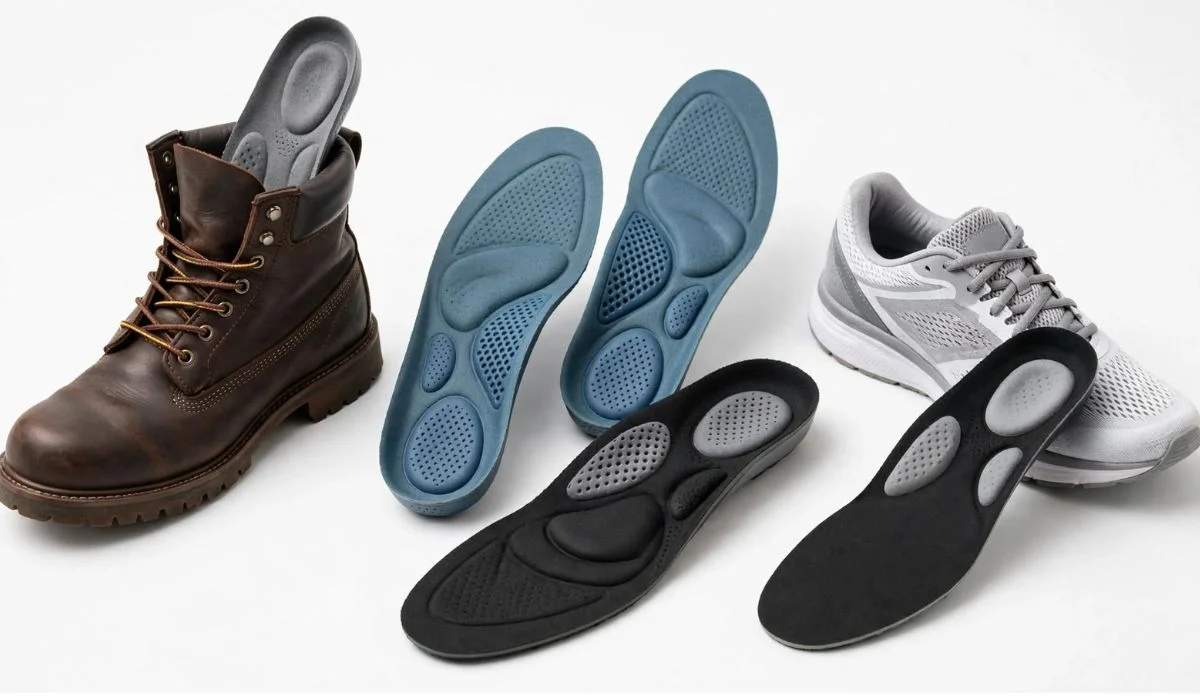
Spending most of the day on your feet can leave your feet feeling tired, sore, or uncomfortable, especially when you’re standing or walking on hard surfaces. The right insoles can add cushioning, improve support, and make everyday footwear more comfortable during long hours of activity.
But what are the best insoles for being on your feet all day? There isn’t one perfect pair for everyone. The best choice depends on your foot shape, arch type, footwear, work environment, and whether you spend more time standing, walking, or doing both.
A good insole should provide a comfortable balance of cushioning, support, stability, and fit without making your shoes too tight. Here’s how to find the right option for your daily routine.
What Makes an Insole Good for Being on Your Feet All Day?
An insole designed for prolonged standing and walking should do more than simply feel soft when you first put it into your shoes.
Look for a Balance of Support and Cushioning
Cushioning can make firm footwear and hard flooring feel more comfortable, while support can provide a stable foundation for your feet.
The ideal combination varies from person to person. An extremely soft insole may feel comfortable initially but may not provide the stability you prefer. Conversely, an overly rigid insole can create uncomfortable pressure.
For general use, a moderate level of cushioning combined with supportive structure is often a sensible starting point.
Best Insole Features for All-Day Wear:
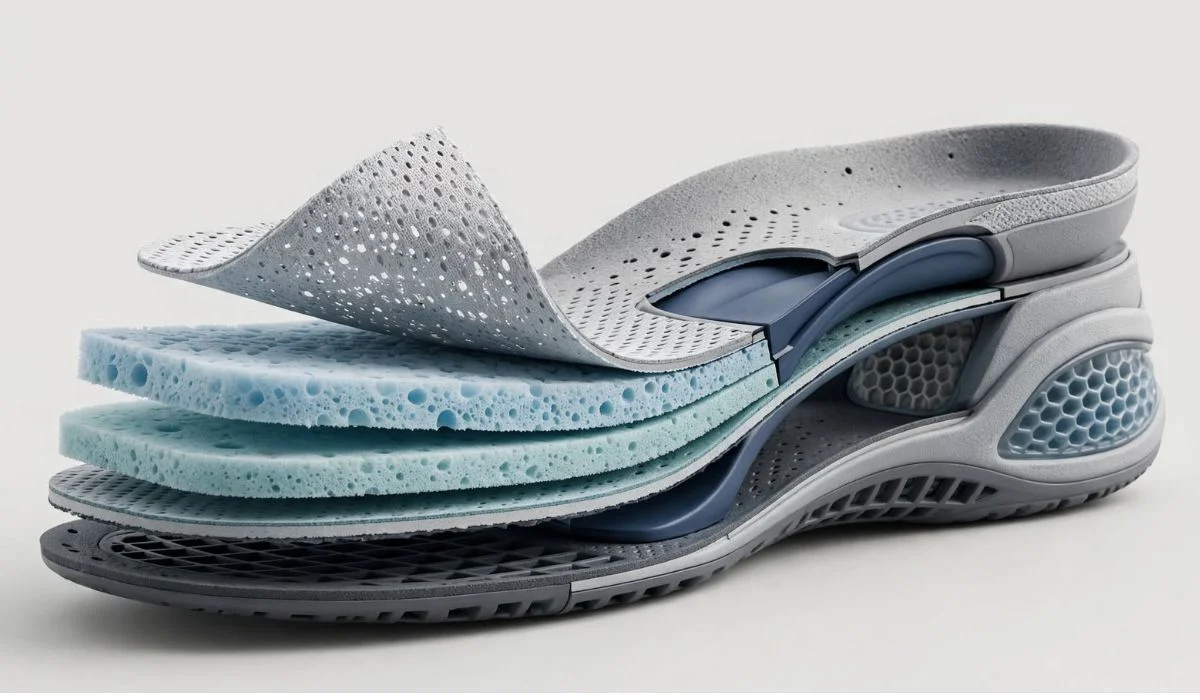
When comparing different insoles, focus on the features that affect comfort throughout your entire day.
Heel Cushioning
The heel can experience repeated impact when you walk and pressure when you stand for extended periods.
An insole with cushioning around the heel can help make hard-soled footwear feel more forgiving.
Arch Support
Arch support can help provide structure under the middle of the foot.
However, more support isn’t automatically better. An arch contour that feels appropriate for one person may feel uncomfortable for another.
Shock Absorption
If you spend your day walking on concrete, tile, or other hard surfaces, shock absorption may be particularly useful.
A cushioning layer can reduce how harsh the surface feels through your footwear.
Breathable Materials
Feet can become warm and sweaty during long shifts or extended periods of activity.
A breathable top layer or moisture-managing material may help improve comfort, especially when wearing closed shoes for many hours.
What Are the Best Insoles for Standing All Day?
If you’re primarily standing rather than walking, prioritize comfort, cushioning, and stability.
Choose Cushioning Without Excessive Softness
Standing on hard surfaces for hours can make your feet feel fatigued. A cushioned insole may provide additional comfort between your feet and the shoe.
However, extremely soft foam can compress under repeated use. A supportive base underneath the cushioning can provide a more stable feel.
What Are the Best Insoles for Walking All Day?
Walking all day creates a different demand because your feet repeatedly move through each step.
Look for Lightweight Support
A walking-focused insole should ideally provide cushioning without adding unnecessary weight or bulk.
It should also stay securely in place so it doesn’t shift inside the shoe while you’re moving.
A moderate-support design can be a practical choice for people who spend their day moving between different locations.
Best Insoles for Work
Many people searching for the best insoles for being on their feet all day are looking for work footwear solutions.
Nurses, teachers, retail workers, restaurant employees, warehouse workers, healthcare professionals, hospitality workers, and other active workers may spend much of their shift standing or walking.
Match the Insole to Your Workplace
Your work environment matters.
If you work on concrete, prioritize cushioning and shock absorption. If you walk extensively, look for a combination of cushioning and stability. If your work shoes are narrow, choose a lower-profile insole that doesn’t crowd your toes.
Best Insoles for Concrete Floors
Concrete is particularly firm compared with softer walking surfaces.
Why Flooring Matters
When you spend hours on a hard surface, your footwear provides much of the cushioning between your feet and the floor.
An appropriate insole can add another cushioning layer, but it cannot compensate for shoes that are worn out or poorly fitted.
For concrete-floor environments, consider an insole with:
- Cushioned heel
- Shock-absorbing materials
- Supportive arch construction
- Durable foam
- Secure heel positioning
- Comfortable top material
How Your Arch Type Affects Insole Choice:
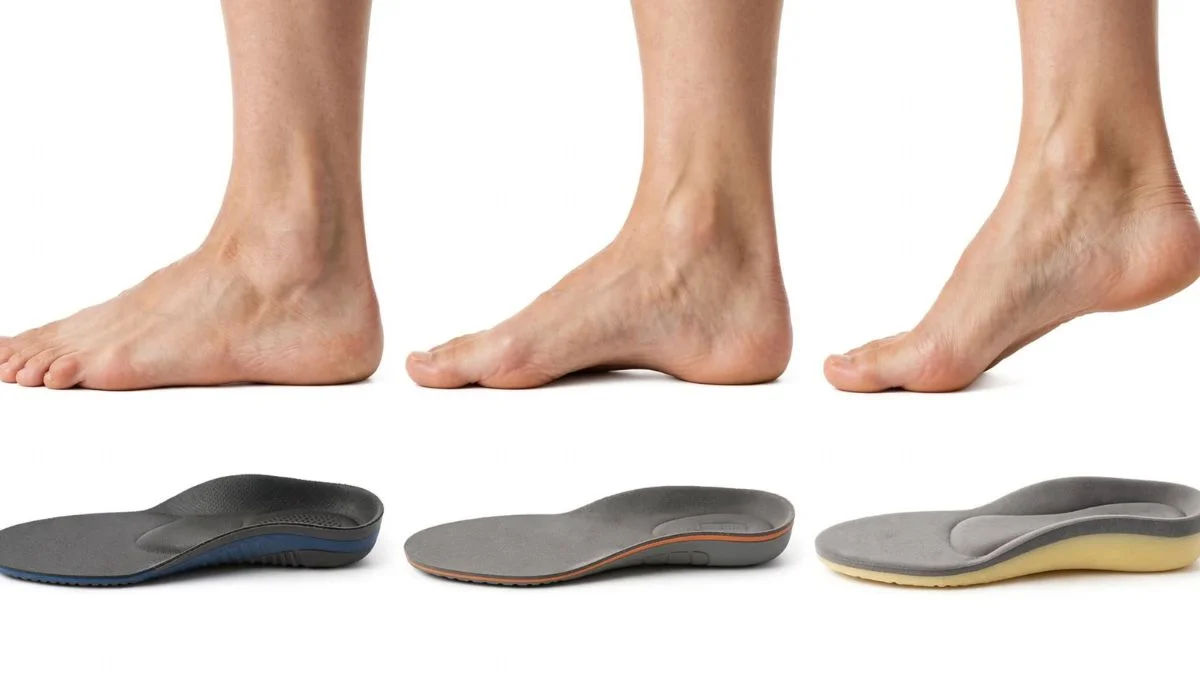
Your arch profile can influence how different insoles feel.
Low Arches
People with low arches may prefer an insole with structured midfoot support.
The support should feel comfortable rather than forcing the foot into an unnatural or painful position.
Medium Arches
People with medium or neutral arches typically have a wide range of options.
A general-purpose insole with moderate cushioning and support can be a reasonable place to start.
High Arches
People with high arches may prefer cushioning combined with supportive shaping.
A very firm arch contour can create pressure, so comfort should remain a priority.
Full-Length or 3/4-Length Insoles?
The right length depends on your footwear and how much interior space is available.
Full-Length Insoles
Full-length insoles extend from the heel toward the toes and provide cushioning across most of the foot.
They’re often suitable for sneakers, walking shoes, and work boots with enough interior volume.
3/4-Length Insoles
Three-quarter-length insoles stop before the toes.
They can be useful when you want support without taking up as much room in the front of the shoe. This can make them practical for certain dress shoes or footwear with limited toe-box space.
How Thick Should Your Insoles Be?
There is no universal thickness that works for everyone.
Consider Your Shoe’s Interior Space
A thick insole can reduce the available space inside your shoe. If your footwear already fits snugly, adding a bulky insole may cause pressure across your toes or the top of your foot.
For shoes with limited room, consider a thinner or lower-profile option.
What Materials Are Best for All-Day Insoles?
Different materials produce different levels of cushioning and support.
Foam
Foam is widely used for insoles because it can offer cushioning while remaining relatively lightweight.
Different types and densities of foam can provide anything from soft cushioning to firmer support.
Gel
Gel components are commonly used to provide cushioning, especially around the heel and forefoot.
Some people enjoy the softer feel, while others prefer the more structured sensation of foam.
Multi-Layer Designs
Some insoles combine different materials in separate layers.
For example, one material may provide cushioning while another provides structural support. These designs can offer a balance between comfort and stability.
How to Find the Right Insole Size
Correct sizing is essential.
Check the Manufacturer’s Size Guide
Don’t assume every insole follows exactly the same sizing system as your shoes.
Some insoles can be trimmed to fit. If trimming is permitted, your existing removable footbed can sometimes be used as a reference for shape and length.
The finished insole should sit flat without curling at the edges.
How Should a Properly Fitted Insole Feel?
A good insole should support your foot without constantly drawing attention to itself.
Signs of a Good Fit
Look for:
- Enough room for your toes
- Stable heel positioning
- Comfortable arch contact
- No excessive pressure points
- No slipping inside the shoe
- Natural-feeling movement
- Comfortable fit throughout your normal activities
If your shoe suddenly feels much tighter after installing an insole, the insole may be too thick.
How to Break In New Insoles
A new insole can change how your foot sits inside your footwear.
Start Gradually
Instead of immediately wearing a new insole throughout a very long day, consider starting with shorter periods.
This gives you an opportunity to determine whether the support and cushioning feel appropriate.
If you develop significant pain, numbness, or other concerning symptoms, don’t simply assume you need to push through the discomfort.
Common Mistakes When Buying All-Day Insoles
Choosing an insole based only on advertising claims can lead to a poor match.
Buying the Softest Insole
Softness can feel great initially, but an extremely soft insole may not provide enough stability for some people.
Choosing Maximum Arch Support
A stronger arch doesn’t automatically mean better support. Your foot may prefer a moderate contour.
Ignoring Your Shoes
An insole that works beautifully in a roomy sneaker may be completely unsuitable for a narrow dress shoe.
Forgetting About Toe Room
Your toes need adequate space. A thick replacement insole can raise your foot and reduce the room available inside the shoe.
Can Insoles Help With Tired Feet?
The right insole can improve comfort for some people by adding cushioning and support.
Insoles Aren’t the Only Factor
Footwear fit, shoe condition, work surface, activity level, and rest periods can all influence how your feet feel.
If your shoes are worn out or incorrectly sized, replacing the insole alone may not solve the problem.
How Long Do All-Day Insoles Last?
There isn’t one replacement schedule for every insole.
Daily use, walking distance, body weight, material quality, and work conditions can all influence durability.
Watch for Wear
Replace an insole when you notice:
- Compressed cushioning
- Flattened support
- Cracked material
- Significant surface wear
- Permanent deformation
- Reduced comfort
- Increased movement inside the shoe
If an insole has lost its original structure, it may no longer provide the same level of support or cushioning.
Are Expensive Insoles Worth It?
An expensive insole isn’t automatically the best insole for your feet.
Choose Based on Your Needs
Instead of focusing only on price, compare:
- Fit
- Cushioning
- Support
- Thickness
- Materials
- Shoe compatibility
- Durability
- Return options
A moderately priced insole that fits your shoes correctly can be more useful than an expensive insole that creates pressure or instability.
What About Custom Orthotics?
Custom orthotics are different from ordinary comfort insoles.
When Specialized Support May Be Appropriate
Some people have specific foot or biomechanical needs that may require individualized assessment.
If you have persistent or significant foot pain, numbness, swelling, weakness, or difficulty walking, it’s better to discuss the problem with a qualified healthcare professional rather than trying multiple generic insoles indefinitely.
A Quick Guide to Choosing Your Ideal Insole
Use this simple approach when shopping:
For standing: Look for cushioning, heel comfort, and stable support.
For walking: Prioritize lightweight cushioning, stability, and a secure fit.
For concrete: Look for shock absorption and adequate heel cushioning.
For work boots: Choose durable cushioning and support while checking available interior space.
For sneakers: A full-length, moderate-support insole is often practical.
For dress shoes: Consider a thinner or 3/4-length design.
For high arches: Look for comfortable cushioning and appropriate arch shaping.
For low arches: Consider structured support that doesn’t create uncomfortable pressure.
Final Thoughts
The best insoles for being on your feet all day should make your footwear feel more comfortable without creating new pressure points. For most people, the goal is a balanced combination of cushioning, support, stability, and proper fit.
If you stand for long periods, pay particular attention to heel cushioning and comfort. If your day involves lots of walking, choose an insole that combines cushioning with a stable base. And if you’re working on concrete or another hard surface, shock absorption can be especially valuable.
Most importantly, remember that an insole should work with your shoes, not against them. The right thickness, arch shape, and overall fit can make a significant difference in how comfortable your footwear feels throughout the day.
FAQs About the Best Insoles for Being on Your Feet All Day
What are the best insoles for being on your feet all day?
The best options typically combine moderate cushioning, comfortable arch support, heel cushioning, stability, and a secure fit. Your footwear and individual foot shape should determine the final choice.
Are memory foam insoles good for standing all day?
Memory foam can provide comfortable cushioning, but the ideal choice depends on the foam’s firmness and your need for support. Extremely soft foam isn’t necessarily better for prolonged standing.
What are the best insoles for walking and standing all day?
A moderately cushioned insole with supportive arch construction and good stability can be a practical option for people who alternate between walking and standing.
Are gel insoles better than foam insoles?
Neither is universally better. Gel can provide cushioning in targeted areas, while foam can provide a combination of cushioning and support. Fit and comfort are more important than the material alone.
Should I use arch support if I stand all day?
You may find arch support comfortable, but the ideal amount varies between individuals. An insole should support the arch without creating painful pressure.
Can insoles help if I work on concrete?
A suitable insole can add cushioning and shock absorption, which may make footwear more comfortable on hard surfaces. Properly fitting work shoes remain important too.
How thick should insoles be for all-day standing?
Choose the thickest option that comfortably fits your footwear without crowding your toes or changing the fit of the shoe. More thickness doesn’t automatically mean more comfort.
How often should I replace insoles?
Replace them when they become compressed, worn, deformed, or noticeably less supportive. People who use them heavily every day may need replacements sooner than occasional users.
Can I wear the same insoles in every pair of shoes?
You can sometimes use the same style in multiple compatible shoes, but footwear has different shapes and interior volumes. An insole that fits one pair may not fit another properly.
What should I do if new insoles cause foot pain?
Stop using an insole that causes significant or persistent discomfort and reassess the fit. If symptoms continue, consider getting advice from a qualified healthcare professional.