
Are Running Shoes Good For Walking On Treadmill | Comfortable Treadmill Walking
If you enjoy walking on a treadmill, you may wonder whether you need a dedicated pair of walking shoes or whether your running shoes are good for walking on a treadmill. In most cases, running shoes can be an excellent choice for treadmill walking, especially when they fit comfortably and provide appropriate cushioning and stability.
Running shoes are designed to handle repetitive foot movement, impact, and forward motion. Treadmill walking also involves repetitive movement, although at a lower intensity than running. Because of this overlap, many running shoes work very well for regular treadmill walking.
However, not every running shoe is equally suitable for every walker. The amount of cushioning, flexibility, heel-to-toe drop, stability, fit, and treadmill routine can all affect comfort.
Are Running Shoes Good for Walking on a Treadmill?

Yes, running shoes can be good for walking on a treadmill.
A treadmill provides a relatively predictable and consistent surface, and running shoes are generally designed for repetitive movement on similarly controlled surfaces, particularly road-running models.
Why Running Shoes Can Work Well
- Cushioning: Many running shoes provide cushioning that can make repetitive walking more comfortable.
- Breathability: Mesh and engineered textile uppers can help manage heat during indoor workouts.
- Flexibility: Many running shoes allow the foot to move naturally through the walking stride.
- Traction: Their outsoles are generally designed to provide grip on exercise surfaces.
- Lightweight construction: Lightweight shoes can make long treadmill sessions feel less cumbersome.
- Heel support: Many models provide a structured heel area that helps keep the foot secure.
- Variety: Running shoes are available in different cushioning and stability levels.
Fact: Treadmill walking and running both involve repetitive forward movement, which is one reason running shoes can be suitable for both activities.
How Running Shoes and Walking Shoes Differ:

Running shoes and walking shoes overlap, but they are not designed for exactly the same movement.
Running Shoes
Running shoes are primarily designed for running.
Common characteristics include:
- Substantial cushioning
- Lightweight construction
- Flexible forefoot
- Breathable uppers
- Designs optimized for repetitive forward movement
- Various levels of stability and support
Walking Shoes
Walking shoes are generally designed specifically around walking mechanics.
They may emphasize:
- Comfortable cushioning
- Stable construction
- Everyday durability
- Walking-specific flexibility
- Comfortable heel and forefoot transitions
Fact: A running shoe is not automatically better or worse than a walking shoe. The right choice depends on how the shoe fits and how comfortable it feels during your particular activity.
Why Running Shoes Can Feel Comfortable on a Treadmill
Treadmill walking involves repeated steps, and comfort can become increasingly important as the duration of the workout increases.
Cushioning Helps With Repetitive Movement
Running shoes often include a cushioned midsole that provides a softer interface between your feet and the treadmill.
This can be useful when:
- You walk for 30 minutes or longer.
- You use the treadmill frequently.
- You prefer a softer underfoot sensation.
- You alternate between walking and jogging.
However, the ideal amount of cushioning is personal.
Fact: More cushioning does not automatically mean more comfort. Some walkers prefer a firmer and more stable feel.
Lightweight Shoes Can Reduce Bulk
A lightweight running shoe may feel easier to wear during longer treadmill sessions.
Benefits can include:
- Less perceived bulk
- Easier movement
- Comfortable repetitive walking
- Reduced feeling of heaviness
- Convenient indoor workouts
The actual weight of a shoe is only one factor, though. Fit and comfort remain more important.
Read next: Most Comfortable Shoes For Standing All Day On Concrete | Comfort, Cushioning, And All-Day Wear
What Features Should Running Shoes Have for Treadmill Walking?
If you plan to use running shoes primarily for treadmill walking, pay attention to several features.
Comfortable Cushioning
Choose cushioning that feels comfortable rather than simply selecting the thickest midsole.
Consider:
- Soft versus firm feel
- Heel cushioning
- Forefoot cushioning
- Overall responsiveness
- How the shoe feels after 20–30 minutes
Good Fit
A proper fit is essential.
Look for:
- Enough toe room
- Secure heel fit
- Comfortable width
- No painful pressure points
- Minimal excessive movement
Fact: Foot comfort can change during a workout, so a shoe that feels acceptable for a few minutes may not remain comfortable during a longer treadmill session.
Breathable Upper
Indoor treadmill workouts can make your feet warm.
Breathable materials may help improve comfort.
Common options include:
- Mesh
- Engineered mesh
- Lightweight textiles
- Ventilated synthetic materials
Flexible Forefoot
Walking involves rolling through the foot and pushing off toward the next step.
A shoe with an appropriately flexible forefoot can feel natural for walking.
Avoid assuming that maximum flexibility is always better. Some walkers prefer a more structured shoe.
Stable Heel
Your heel should remain comfortably positioned inside the shoe.
A good fit can help reduce:
- Heel slipping
- Excessive rubbing
- Unwanted foot movement
- Discomfort during longer sessions
Are Treadmill Walking and Outdoor Walking the Same?
Not exactly.
The treadmill provides a consistent surface, while outdoor walking involves changing terrain and environmental conditions.
Treadmill Walking
Typical characteristics include:
- Predictable surface
- Controlled speed
- Controlled incline
- No outdoor weather
- Repetitive movement
- Consistent indoor environment
Outdoor Walking
Outdoor walking can involve:
- Uneven pavement
- Sidewalk cracks
- Hills
- Gravel
- Grass
- Wet surfaces
- Changing temperatures
Fact: Because treadmill surfaces are generally predictable, footwear requirements may differ from those needed for technical trails or uneven outdoor terrain.
Should You Use Trail Running Shoes on a Treadmill?
Usually, trail running shoes are not necessary for ordinary treadmill walking.
Trail shoes are designed for surfaces where additional traction and protection may be useful.
Why Trail Shoes May Be Unnecessary
- Aggressive tread may not provide a meaningful advantage indoors.
- They can be heavier than road-running shoes.
- Stiffer construction may feel less natural.
- Their specialized features are designed for uneven terrain.
When They Could Still Be Used
You can use them if:
- They are comfortable.
- You already own them.
- You like their stability.
- They do not feel excessively stiff.
- The outsole does not interfere with your treadmill use.
For regular indoor walking, a comfortable road-running or walking shoe is usually a more straightforward option.
Can You Walk in Running Shoes Every Day?
Yes, you can use running shoes for everyday treadmill walking if they remain comfortable and in good condition.
Benefits of Regular Use
- Familiar fit
- Convenient
- Good cushioning
- Versatile
- Suitable for walking and occasional jogging
What to Monitor
Check the shoes regularly for:
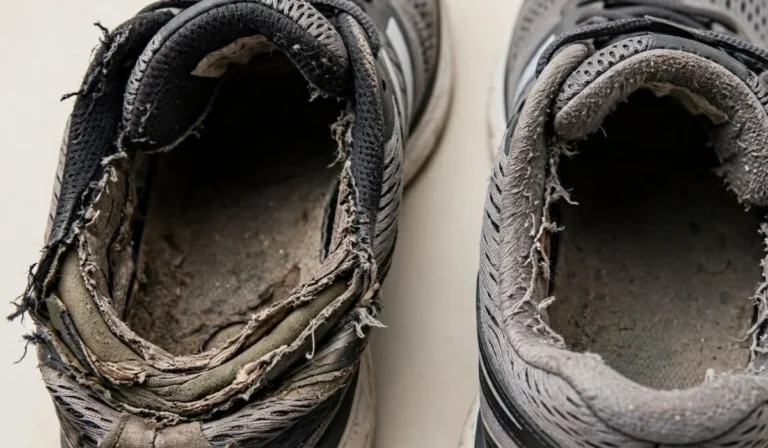
- Worn outsole
- Compressed cushioning
- Damaged upper
- Loose stitching
- Heel lining wear
- Uneven wear
- Loss of stability
Fact: Shoe longevity varies considerably based on the model, frequency of use, walking volume, surface, and individual wear patterns.
Are Running Shoes Good for Incline Treadmill Walking?
Running shoes can work well for incline treadmill walking, provided they feel stable and comfortable.
Incline walking changes the demands of the activity.
What to Look For
- Secure heel fit
- Stable outsole
- Comfortable cushioning
- Flexible forefoot
- Adequate traction
- Comfortable toe room
Why Stability Matters
Walking uphill can alter how your foot contacts and pushes against the treadmill.
A shoe that feels stable at a flat setting may feel different when you increase the incline.
Fact: Changing treadmill incline changes the movement demands of walking, so comfort should be reassessed when using steeper settings.
Are Cushioned Running Shoes Better for Treadmill Walking?
Cushioned running shoes can be excellent for treadmill walking, but “more cushioned” does not automatically mean “better.”
Benefits of Cushioning
- Softer underfoot sensation
- Comfortable repetitive movement
- Reduced harsh feeling from the treadmill surface
- Useful for longer sessions
Potential Downsides of Excessive Softness
- Some people may feel less stable.
- The shoe may feel bulky.
- Very soft cushioning may not suit everyone’s preferences.
- A thick platform can feel different during changes of direction.
The best cushioning level is the one that feels comfortable and stable for you.
Can You Wear Running Shoes for Treadmill Walking and Running?
Absolutely. In fact, this is one of the most practical uses for a versatile running shoe.
Useful for Mixed Workouts
A suitable running shoe can handle:
- Slow walking
- Brisk walking
- Incline walking
- Jogging
- Running
- Warm-ups
- Cool-downs
This can make one pair useful for people who regularly change their treadmill speed.
Running Shoes for Different Types of Treadmill Walkers
Your walking routine can influence the type of shoe you prefer.
Casual Treadmill Walker
If you walk for around 15–30 minutes several times a week, focus on:
- Comfortable fit
- Moderate cushioning
- Breathability
- Lightweight construction
Long-Distance Treadmill Walker
If you walk for extended periods, prioritize:
- Consistent cushioning
- Comfortable footbed
- Secure heel
- Adequate toe room
- Breathable upper
Incline Walker
For frequent incline workouts, consider:
- Stable construction
- Secure heel
- Good traction
- Comfortable cushioning
- Appropriate flexibility
Walk-Run User
If you alternate walking and running, running shoes are particularly practical.
Look for:
- Running-oriented cushioning
- Secure fit
- Good stability
- Flexible forefoot
- Breathable upper
How Should Running Shoes Fit for Treadmill Walking?
Fit is one of the most important parts of choosing treadmill footwear.
Toe Area
Your toes should not be pressed tightly against the front of the shoe.
Look for:
- Adequate length
- Comfortable width
- Room for natural toe movement
- No painful pressure
Heel Area
The heel should stay secure without excessive squeezing.
You should not experience:
- Significant heel slipping
- Constant rubbing
- Painful pressure
- Excessive movement
Midfoot
The middle of the shoe should feel secure but not painfully tight.
If you have to overtighten the laces to keep your foot in place, consider whether the shoe’s shape is appropriate for your foot.
How to Choose Running Shoes for a Treadmill
A simple selection process can make shopping easier.
Step 1: Determine Your Main Activity
Ask:
- Will I only walk?
- Will I jog?
- Will I run?
- Will I use an incline?
- How long are my typical workouts?
Step 2: Decide Your Cushioning Preference
Consider whether you prefer:
- Soft cushioning
- Moderate cushioning
- Firmer cushioning
Step 3: Check Stability
Walk around in the shoes before buying.
Look for:
- Secure heel
- Stable platform
- Comfortable transitions
- No excessive side-to-side movement
Step 4: Test the Upper
Make sure the material feels comfortable.
Your foot should not feel:
- Trapped
- Overheated
- Squeezed
- Excessively loose
Step 5: Consider the Treadmill Environment
If your treadmill is indoors, you generally do not need highly aggressive outdoor traction.
A clean, appropriate outsole is usually sufficient for normal treadmill use.
Common Mistakes When Using Running Shoes on a Treadmill
Wearing Worn-Out Running Shoes
A shoe can continue looking acceptable while its cushioning and structural characteristics have changed.
Choosing the Wrong Size
Even an excellent running shoe can become uncomfortable if it does not fit properly.
Selecting Maximum Cushioning Automatically
Some people prefer firmer footwear. Comfort is individual.
Ignoring Heel Slippage
Repeated heel movement can cause friction and damage to the shoe lining.
Wearing Outdoor Shoes With Dirty Soles
Dirt and debris can transfer to the treadmill and may affect the cleanliness of the walking surface.
Using One Pair for Everything
Running shoes can be versatile, but heavy everyday use, outdoor walking, and treadmill workouts can accelerate wear.
Rotating footwear can be useful when practical.
How to Make Running Shoes Last Longer on a Treadmill
Proper care can help preserve your shoes.
Simple Maintenance Tips
- Use them on clean surfaces.
- Allow them to air out after workouts.
- Avoid storing them while damp.
- Clean the upper according to manufacturer instructions.
- Inspect the outsole regularly.
- Keep the treadmill area reasonably clean.
- Rotate shoes when possible.
- Avoid wearing severely worn shoes.
Fact: Moisture, repeated use, surface friction, and accumulated wear can all affect footwear durability.
Running Shoes vs. Walking Shoes for Treadmill Use
| Feature | Running Shoes | Walking Shoes |
|---|---|---|
| Cushioning | Often moderate to high | Usually comfort-focused |
| Weight | Often lightweight | Varies |
| Flexibility | Often flexible | Varies by design |
| Running | Designed for it | Usually not the primary purpose |
| Treadmill walking | Usually suitable | Usually suitable |
| Walk-run workouts | Excellent option | May be less suitable |
| Everyday use | Often versatile | Often versatile |
| Best choice | Depends on fit and activity | Depends on fit and activity |
Neither category automatically wins. The right shoe is the one that matches your activity and feels comfortable and secure.
When Running Shoes May Not Be the Best Choice
Running shoes are versatile, but there are situations where another type of footwear may be more appropriate.
Workplace Requirements
If you are walking on a treadmill as part of a job or rehabilitation environment, follow any footwear requirements provided by the relevant professional or facility.
Specific Footwear Needs
Some people may benefit from footwear selected around specific individual needs. If you have persistent foot discomfort or a condition affecting your ability to walk comfortably, an appropriately qualified healthcare professional can help determine whether specialized footwear is appropriate.
Very Casual Treadmill Use
If you only use a treadmill occasionally for slow walking, a comfortable walking shoe may be all you need.
Final Thoughts
So, are running shoes good for walking on a treadmill? For most people, yes. Running shoes can provide a useful combination of cushioning, flexibility, breathability, and secure construction for treadmill walking.
They are especially convenient if you switch between walking, jogging, and running. For people who primarily walk, comfortable walking shoes can also be an excellent alternative.
The most important factors are not simply the label on the shoe. Focus on fit, cushioning, stability, flexibility, breathability, and the demands of your treadmill routine.
If the shoes feel comfortable throughout your workout, keep your heel secure, provide enough room for your toes, and remain in good condition, your running shoes can be a perfectly practical choice for treadmill walking.
FAQs About Running Shoes for Treadmill Walking
Can I use running shoes for walking on a treadmill?
Yes. Running shoes are generally suitable for treadmill walking, particularly models that provide comfortable cushioning, a secure fit, and appropriate stability.
Are running shoes better than walking shoes for a treadmill?
Not necessarily. Both can work well. Running shoes may be more versatile if you alternate walking and running, while walking shoes can be a comfortable option for people who primarily walk.
Do I need special shoes for treadmill walking?
No. You generally do not need a special treadmill-only shoe. Comfortable walking or running shoes that fit properly are usually suitable.
Are cushioned running shoes good for treadmill walking?
Yes. Cushioned running shoes can provide a comfortable underfoot feel during repetitive treadmill walking. However, the ideal cushioning level depends on your personal preference and stability needs.
Can I use running shoes for incline treadmill walking?
Yes. Running shoes can work well for incline walking if they provide a secure fit, adequate stability, comfortable cushioning, and appropriate traction.
Are trail running shoes good for treadmill walking?
They can be used, but they are usually unnecessary for ordinary treadmill walking. Road-running or walking shoes are often more practical for a predictable indoor surface.
Can running shoes cause foot pain while walking on a treadmill?
Any poorly fitting or unsuitable shoe can contribute to discomfort. Possible issues include incorrect sizing, insufficient room, excessive pressure, poor fit, or a cushioning and stability profile that does not suit the wearer.
How long can I walk on a treadmill in running shoes?
You can use running shoes for short or long treadmill sessions as long as they remain comfortable and are in good condition. There is no universal time limit that applies to every shoe or person.
Should treadmill running shoes be lightweight?
Lightweight construction can feel comfortable, especially during longer workouts, but weight should not be the only consideration. Fit, cushioning, stability, and comfort are more important.
Do I need more cushioning for treadmill walking?
Not necessarily. Some people prefer substantial cushioning, while others prefer a firmer and more stable feel. Choose the cushioning level that feels comfortable for your walking style.
How should running shoes fit for treadmill walking?
They should feel secure without squeezing your foot. You should have adequate room around your toes, minimal excessive heel movement, and no painful pressure points.
Can I wear the same running shoes for outdoor walking and treadmill walking?
Yes, provided the shoes remain in good condition. However, using one pair for multiple activities can increase wear, so rotating between suitable pairs may help extend their useful life.
Why do my heels slip in running shoes on a treadmill?
Heel slipping can result from an incorrect shoe shape or size, loose lacing, or insufficient heel hold. Adjusting the laces or using a suitable heel-lock technique may help, but persistent slipping can indicate that the shoe is not the right fit.
How often should I replace running shoes used for treadmill walking?
There is no exact replacement interval. Check the outsole, midsole, upper, heel lining, and overall comfort. Replace shoes when they are significantly worn, damaged, unstable, or no longer feel comfortable.
Can I walk barefoot on a treadmill instead of wearing running shoes?
Barefoot treadmill walking changes the amount of protection and traction your feet receive. For most people, appropriately fitted footwear provides a practical protective layer between the feet and the treadmill surface.
What is the best type of running shoe for treadmill walking?
A comfortable road-running shoe with suitable cushioning, a secure heel, breathable upper, and stable construction is often a practical choice. The best model depends on your individual fit and preferences.