How to Wash Shoes in Washing Machine Without Mesh Bag
Washing shoes in the washing machine without a mesh bag is possible—but only if you take the right precautions. Using the wrong setting or skipping protective steps can damage your shoes or spread odors. With the proper technique, you can keep your favorite sneakers, canvas shoes, and other washable footwear clean and fresh.
Have you ever wondered whether it’s safe to toss your favorite pair of sneakers into the washing machine? Maybe they’ve been through a muddy hike, soaked up sweat during gym class, or just plain smell funky after a long week. You might be tempted to just drop them in—after all, your clothes come out clean every time, right?
Well, not so fast. Shoes are different from laundry. They’re sturdier but also more fragile in certain ways: glued-on soles, glued-on heels, and delicate fabrics that can easily get ruined by agitators, spin cycles, or high heat.
But here’s the good news: you can wash most shoes in the washing machine without a mesh bag—if you do it smartly. In this guide, we’ll walk you through exactly how to do it safely, protect your footwear, and keep your washing machine smelling fresh too.
📑 Table of Contents
- Understanding Why Mesh Bags Are Usually Recommended
- Which Shoes Can Be Washed in the Machine?
- Preparing Your Shoes for Washing Without a Mesh Bag
- Setting Up Your Washing Machine Correctly
- Drying Your Shoes Safely After the Wash
- Tips for Specific Shoe Types
- What Not to Do When Washing Shoes
- Conclusion: Clean Shoes, Happy Feet
Understanding Why Mesh Bags Are Usually Recommended:
Before we dive into “no mesh bag” methods, let’s talk about why people usually reach for one in the first place. Mesh laundry bags act like little shields. They help prevent shoes from rubbing against each other or snagging on the drum. They also reduce direct contact with the agitator—the spinning part inside many top-loading washers that can crush or deform shoes.
But what if you don’t have a mesh bag? Or what if you’re in a hurry and forgot it at home? That’s totally fine! We’ll show you how to create your own protection system using common household items like ziplock bags, towels, and duct tape. The key is minimizing movement and protecting vulnerable parts.
Which Shoes Can Be Washed in the Machine?
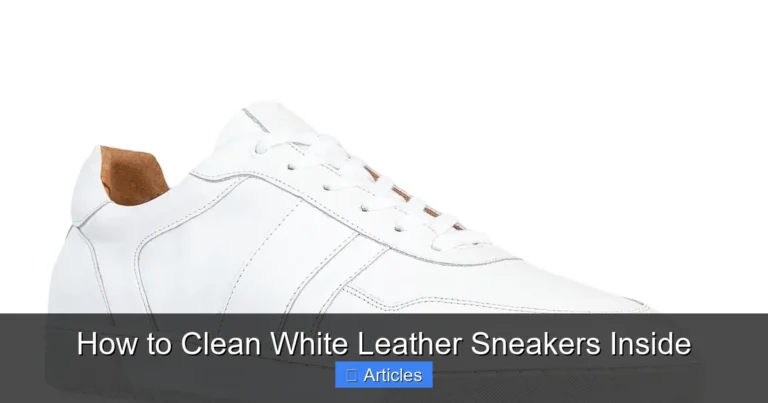
Visual guide about How to Wash Shoes in Washing Machine Without Mesh Bag
Image source: cleaninup.com
Not all shoes belong in the wash. Delicate dress shoes, suede boots, or anything with glue-heavy construction (like some formal footwear) should never go near the machine. Instead, spot-clean those or send them to a professional cleaner.
On the other hand, these types of shoes can typically handle machine washing:
- Canvas sneakers: Think Converse All-Stars, Vans, or generic white sneakers.
- Synthetic athletic shoes: Nike Air Force 1s, Adidas Stan Smiths, or similar.
- Leather sneakers: If they’re fully leather and not treated with special coatings, they usually survive.
- Fabric slip-ons: Crocs (yes!), basic slip-ons, or canvas sandals.
Avoid washing shoes with:
- Glued-on heels or soles (common in cheap sneakers)
- Suede, nubuck, or patent leather
- Delicate embellishments like beads or sequins
- Shoes with air-cushion technology (they may lose their bounce)
If you’re unsure, check the care label inside your shoe. If it says “machine washable,” you’re likely good to go. If it says “spot clean only” or warns against machine washing, listen up!
Preparing Your Shoes for Washing Without a Mesh Bag:
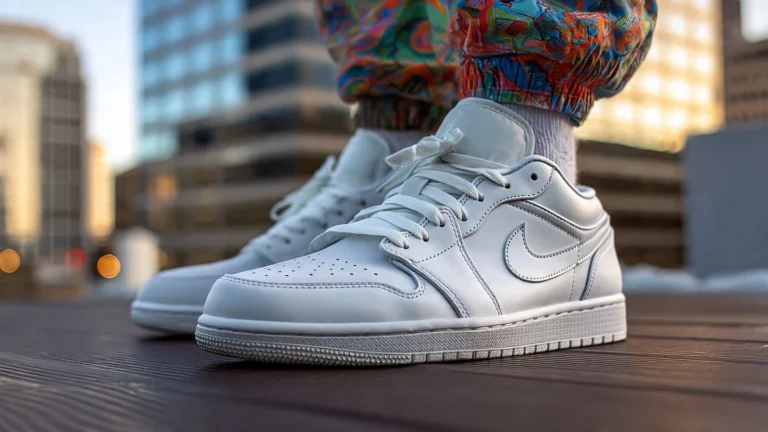
Visual guide about How to Wash Shoes in Washing Machine Without Mesh Bag
Image source: removeanystains.com
Even without a mesh bag, preparation is everything. A few simple steps will save your shoes from damage and make them last longer.
Remove Laces and Insoles
Take out the laces and any removable insoles. Wash them separately—lace them in a sock or pillowcase, or even tie them together and throw them in with a small towel. This prevents them from getting tangled or lost. Plus, clean laces mean cleaner shoes overall.
Tie or Tape Down Loose Parts
Sneaker tongues, elastic sides, or Velcro straps can flop around and catch on the drum. Use a piece of duct tape to secure them flat against the shoe. For laces, tie them tightly or even wrap them around the tongue and tape them down. This keeps everything stable during the cycle.
Pre-Treat Stains
For stubborn dirt or scuff marks, apply a dab of dish soap or a stain remover directly to the area. Gently rub with a soft brush (an old toothbrush works great). Let it sit for 10–15 minutes before tossing the shoes in the machine. This helps lift grime so the wash does less heavy lifting.
Wrap Shoes in Towels (Optional but Helpful)
If you’re worried about direct contact with the drum, wrap each shoe loosely in a cotton towel or old t-shirt. This acts like a mini-mesh bag and cushions the shoe during agitation. Just make sure the towel isn’t too thick—it shouldn’t trap too much water or slow drying.
Setting Up Your Washing Machine Correctly:
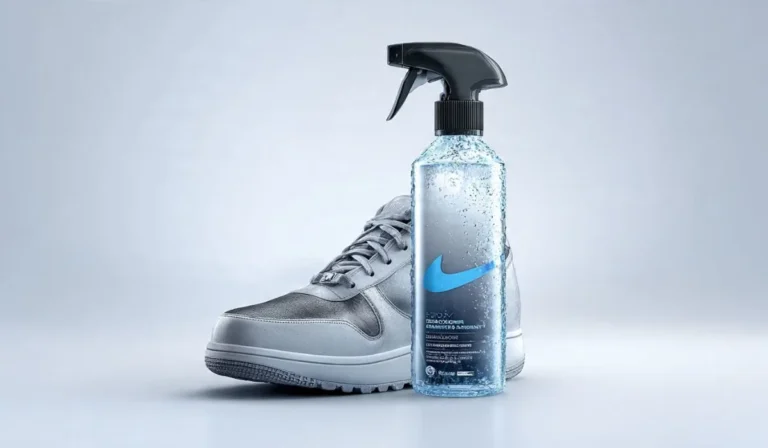
Visual guide about How to Wash Shoes in Washing Machine Without Mesh Bag
Image source: images.nexusapp.co
Now comes the big moment. Follow these settings to maximize safety and cleanliness.
Select Cold Water
Always use cold water. Hot water melts adhesives, warps rubber soles, and causes colors to bleed. Cold water is gentle and effective for removing dirt and odor without damaging materials.
Choose Gentle or Delicate Cycle
Avoid the normal or heavy-duty cycles. The gentle or delicate setting reduces spin speed and agitation, giving your shoes a softer ride. If your washer has a “hand-wash” option, that’s ideal.
Add Mild Detergent
Skip fabric softener and bleach—they can break down shoe materials over time. Use a small amount of mild liquid detergent (like Tide Free & Gentle or Seventh Generation). Too much soap can leave residue and attract dirt later.
Don’t Overload the Drum
Fill the washer no more than halfway with shoes. Overloading causes friction between shoes and increases wear. If you’re washing multiple pairs, space them out as much as possible.
Run an Empty Cycle After
Once your shoes are done (and completely dry), run an empty hot water cycle with a cup of white vinegar. This cleans the drum and eliminates any lingering shoe odor from bacteria buildup.
Drying Your Shoes Safely After the Wash:
This step is critical. Improper drying can ruin even the best-laundered shoes.
Avoid Heat Sources
Never put shoes in the dryer—unless they’re labeled “dryer-safe.” Even then, use low heat and remove them while still slightly damp. High heat shrinks fabric, melts glue, and deforms shapes.
Stuff Shoes to Retain Shape
Fill clean, dry socks or paper towels inside each shoe to help them keep their form while drying. This prevents creasing and maintains comfort.
Place Near a Fan or Open Window
Let them air dry in a well-ventilated area. A fan speeds things up without risking damage. Avoid direct sunlight, which can fade colors.
Be Patient
Canvas shoes might take 6–12 hours to dry fully. Check periodically—once they’re dry, store them in a cool, dry place away from moisture.
Tips for Specific Shoe Types:
Different shoes need slightly different approaches.
White Sneakers
These are classic candidates for machine washing. Pre-treat yellowed soles with baking soda paste (baking soda + water) before washing. It helps brighten the rubber naturally.
Canvas Shoes
Vans, Converse, and Keds respond well to cold washes. Remove soles if possible (some models allow it) and wash them separately to avoid glue damage.
Crocs and Plastic Shoes
While technically machine washable, these can become misshapen due to agitation. Wrap in a towel and use extra caution. Also, skip the dryer—air dry only.
Leather Sneakers
After washing, apply a leather conditioner to prevent cracking. Don’t submerge the entire shoe—just clean the upper gently and let it air dry slowly.
Sneakers with Glue Construction
If your shoes have glued soles (especially foam midsoles), avoid machine washing altogether. The glue can weaken over time, leading to separation. Spot-clean instead.
What Not to Do When Washing Shoes:
Even with the best intentions, mistakes happen. Here’s how to avoid them:
- Don’t use hot water: As mentioned, it ruins adhesives and materials.
- Don’t overload the machine: Shoes need room to move without banging into each other.
- Don’t skip pre-treatment: Stubborn stains won’t come out in one cycle.
- Don’t forget to clean the machine: Shoes can carry bacteria and mold that linger in the drum.
- Don’t rush the drying process: Patience pays off in preserved shape and longevity.
Remember: if your shoes start to smell after washing, it’s likely because moisture got trapped inside during drying. Always ensure thorough ventilation next time.
Conclusion: Clean Shoes, Happy Feet:
So, can you wash shoes in the washing machine without a mesh bag? Absolutely—with the right prep, settings, and care. It’s not magic, just smart cleaning. By taking a few extra minutes to secure loose parts, use cold water, and air dry properly, you’ll extend the life of your favorite kicks and keep them looking fresh.
Just remember: not every shoe belongs in the wash. When in doubt, err on the side of caution. But for everyday sneakers and canvas shoes? Go ahead—your machine (and your feet) will thank you.
Now that you know how, why wait? Grab those dirty trainers, follow these steps, and enjoy squeaky-clean shoes without the hassle of special bags or professional cleaners.
Frequently Asked Questions:
Can I wash all types of shoes in the washing machine?
No, only shoes made of washable materials like canvas, leather, or synthetic fabrics can safely go in the machine. Avoid suede, nubuck, shoes with glued soles, or those with delicate embellishments.
Will my shoes shrink or lose shape after machine washing?
If you follow the guidelines—cold water, gentle cycle, and proper drying—shoes should retain their shape. Stuffing them with paper towels or socks during drying helps maintain structure.
How often should I wash my shoes?
Only when necessary—usually every few weeks if worn regularly. Overwashing can wear out materials faster. Spot-cleaning between washes keeps them fresher longer.
What if my shoes smell bad even after washing?
Bad odors often come from trapped moisture and bacteria. Make sure shoes are completely dry before storing. Add a few drops of essential oil (like tea tree or lavender) on a cotton ball inside while drying for natural freshness.
Can I wash multiple pairs of shoes at once?
Yes, but don’t overcrowd the drum. Limit yourself to 2–3 pairs max, depending on size. Separate different types (e.g., sneakers vs. slip-ons) to prevent tangling.
Is it better to hand-wash shoes or use the machine?
Hand-washing gives you more control and is gentler on complex constructions. However, machine washing saves time and works well for sturdy, simple designs like canvas sneakers.