
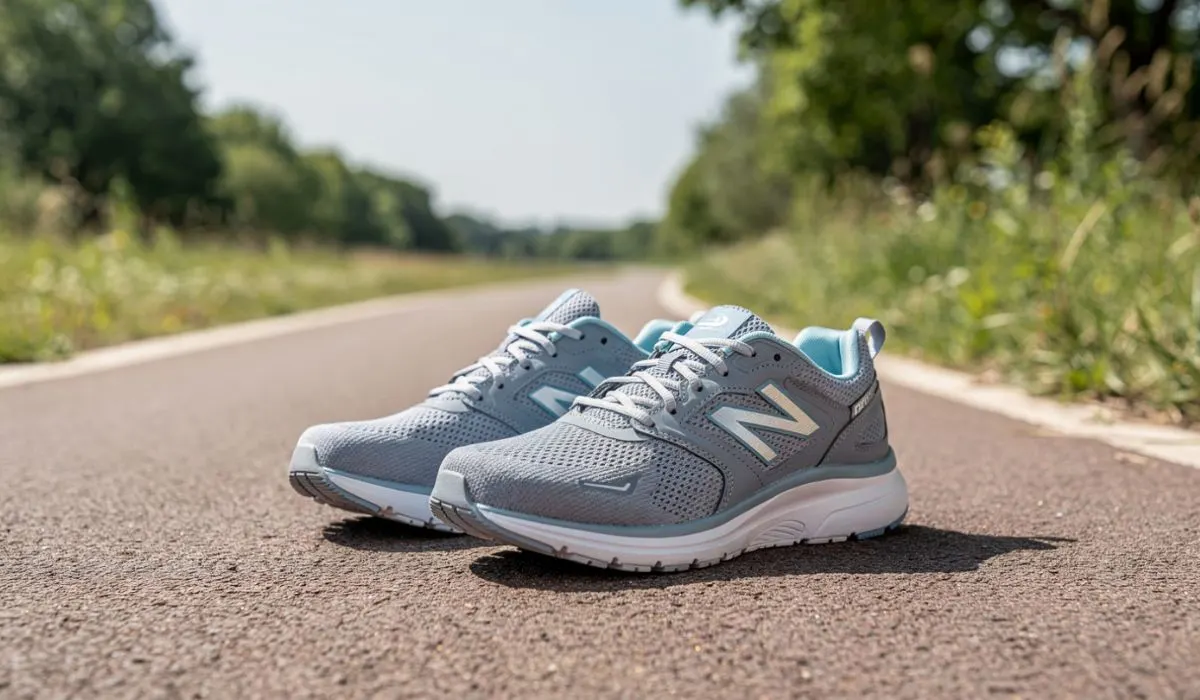
Are Training Shoes Good For Walking | Comfort, Support & Best Use
When people shop for footwear, one of the most common questions is whether training shoes are suitable for walking. At first glance, they look similar to running shoes or walking shoes, but their design purpose is slightly different.
Understanding this difference is important because wearing the wrong type of shoe can affect comfort, foot health, and long-term joint support.
Training shoes—often called cross-training shoes—are designed for gym workouts, strength training, light cardio, and multi-directional movement. But does that mean they are good for walking too? The answer is: yes, in many cases they are—but it depends on how and how much you walk.
In this detailed guide, we’ll explore everything you need to know about Are Training Shoes Good For Walking, including comfort, support, pros and cons, comparisons with walking shoes, and how to choose the right pair.
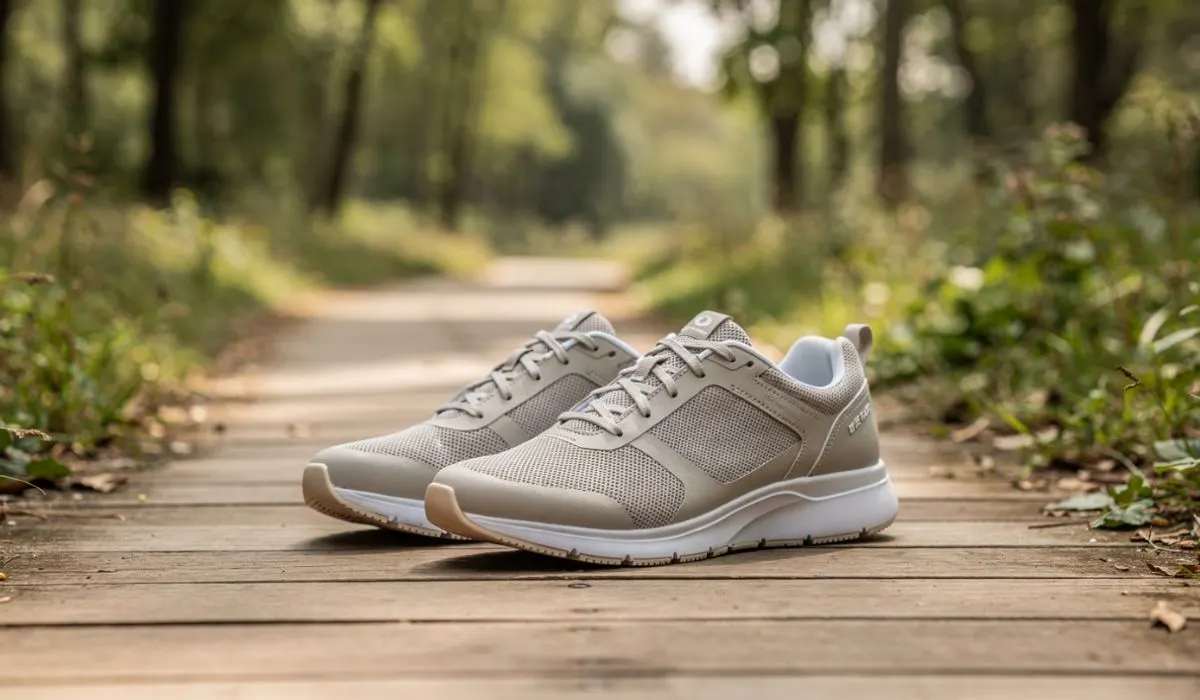
What Are Training Shoes?
Training shoes are versatile athletic shoes designed for multiple types of exercise. Unlike running shoes, which are optimized for forward motion, training shoes are built for:
- Side-to-side movement
- Weightlifting stability
- Short bursts of cardio
- Gym workouts
- Functional fitness training
Popular athletic footwear categories include models from brands like Nike, Adidas, and Reebok, many of which offer dedicated training shoe lines.
Key features of training shoes include:
- Flat and stable sole
- Moderate cushioning
- Durable outsole grip
- Strong lateral support
- Lightweight build
These features make them different from walking-specific footwear.
Are Training Shoes Good For Walking?
Short answer:
Yes—training shoes are generally good for walking, especially for short to moderate distances.
However, they are not always the best option for long-distance walking or people who require extra arch support.
Let’s break it down.
When Training Shoes Work Well for Walking:
Training shoes are a good choice for walking if:
1. You Walk Short to Medium Distances
If you walk:
- Around your neighborhood
- At work or indoors
- For daily errands
Training shoes provide enough comfort and support.
2. You Need Versatile Footwear
If you don’t want separate shoes for gym and walking, training shoes are ideal.
They allow you to:
- Go from gym → walking → casual use
- Save money
- Reduce the need for multiple pairs
3. You Walk on Flat Surfaces
Training shoes perform well on:
- Pavements
- Gym floors
- Indoor tracks
- Shopping malls
Their stable sole makes them reliable on flat ground.
When Training Shoes Are NOT Ideal for Walking:
Despite their versatility, there are situations where training shoes are not the best choice.
1. Long-Distance Walking
If you walk for:
- Several kilometers daily
- Long sightseeing trips
- Extended outdoor walking sessions
Training shoes may lack enough cushioning for heel-to-toe comfort.
2. High Arch or Foot Pain Issues
People with:
- Flat feet
- Plantar fasciitis
- Heel pain
may need specialized walking shoes with targeted arch support.
3. Rough Terrain Walking
Training shoes are not designed for:
- Hiking trails
- Rocky surfaces
- Uneven outdoor terrain
In these cases, hiking shoes or trail walking shoes are better.
Training Shoes vs Walking Shoes:
Understanding the difference helps you decide better.
Cushioning
- Walking shoes: Soft, heel-focused cushioning
- Training shoes: Moderate cushioning for stability
Flexibility
- Walking shoes: Flexible in heel-to-toe motion
- Training shoes: More rigid for lateral stability
Support
- Walking shoes: Designed for repetitive forward motion
- Training shoes: Designed for multi-directional movement
Weight
- Walking shoes: Often lighter
- Training shoes: Slightly heavier but more durable
Comfort Level of Training Shoes for Walking:
Comfort depends on design quality and brand.
For example, training shoes from Nike or Adidas often include:
- Breathable mesh uppers
- Cushioned midsoles
- Shock absorption technology
These features make walking comfortable for most users.
However, comfort may reduce over long distances due to firmer soles.
Benefits of Using Training Shoes for Walking:
1. Multi-Purpose Use
You can use the same shoes for:
- Gym workouts
- Walking
- Casual wear
2. Good Stability
Training shoes offer:
- Strong grip
- Balanced footing
- Reduced ankle roll risk
3. Durability
They are built for:
- Heavy workouts
- Repeated stress
- Long-term use
This makes them last longer than some walking shoes.
4. Cost Efficiency
Instead of buying multiple shoes, one pair can serve multiple purposes.
Drawbacks of Using Training Shoes for Walking:
1. Less Cushioning for Long Walks
Training shoes are not as soft as walking-specific shoes.
2. Stiffer Sole
This can cause fatigue during long walking sessions.
3. Heavier Feel
Some training shoes feel bulkier compared to lightweight walking shoes.
4. Not Ideal for Joint Issues
People with knee or heel problems may need better shock absorption.
How to Choose Training Shoes for Walking:
If you plan to use training shoes for walking, consider the following:
1. Cushioning Level
Look for:
- Foam midsoles
- Shock-absorbing heels
- Comfortable insole padding
2. Arch Support
Make sure the shoe matches your foot type:
- Flat feet → extra support
- Normal arch → balanced support
- High arch → cushioned insole
3. Fit and Comfort
A good fit should:
- Not be too tight
- Allow toe movement
- Secure the heel properly
4. Breathability
Mesh upper material helps keep feet cool during long walks.
5. Flexibility
Even though training shoes are stable, they should still bend slightly at the forefoot.
Best Use Cases for Training Shoes in Walking:
Training shoes are ideal for:
- Gym-to-street transitions
- Urban walking
- Short daily walks
- Travel use
- Light exercise routines
When You Should Choose Walking Shoes Instead:
You should consider dedicated walking shoes if:
- You walk more than 5–10 km daily
- You experience foot pain
- You need maximum cushioning
- You have medical foot conditions
Walking shoes are designed specifically for repetitive forward motion.
Expert Opinion Summary:
In general:
- Training shoes = versatile, stable, durable
- Walking shoes = cushioned, flexible, comfort-focused
So training shoes are good for walking, but not always the best choice for long-distance or high-comfort needs.
Final Thoughts:
Training shoes are a practical and versatile option for walking, especially if your walks are short, casual, or combined with gym workouts. They provide stability, durability, and multi-purpose functionality, making them a popular choice for everyday use.
However, if walking is your main activity or you require extra cushioning and support, dedicated walking shoes may offer better comfort and long-term foot health.
Ultimately, the best choice depends on your lifestyle, walking distance, and comfort needs.
FAQs:
1. Are training shoes good for everyday walking?
Yes, training shoes are good for everyday short to medium walks. They provide stability and comfort for general use, but may not be ideal for very long distances.
2. Can I use training shoes instead of walking shoes?
You can, especially for casual walking or gym-to-street use. However, walking shoes are better for long-distance walking because they offer more cushioning and flexibility.
3. Are training shoes comfortable for long walks?
They are comfortable for short walks, but for long walks (5–10 km or more), they may feel slightly stiff compared to walking-specific shoes.
4. What is the main difference between training shoes and walking shoes?
Training shoes focus on stability and multi-directional movement, while walking shoes are designed for forward motion with extra cushioning and flexibility.
5. Do training shoes help with foot pain while walking?
They can help mild discomfort, but they are not specialized for foot conditions like plantar fasciitis. In such cases, walking or orthopedic shoes are better.
6. Which brands make good training shoes for walking?
Popular brands like Nike, Adidas, and Reebok offer training shoes that are comfortable enough for casual walking.
7. Are training shoes good for travel and city walking?
Yes, they are a great choice for travel because they are durable, versatile, and suitable for walking on flat urban surfaces.
8. Should I buy training shoes or walking shoes for daily use?
If you do gym workouts and short walks, training shoes are fine. If walking is your main activity, walking shoes are the better option for long-term comfort.