How to Lace Shoes So They Don T Have to Be Tied | Why Go No-Tie?
Never tie your shoes again with these clever no-tie lacing tricks. From elastic laces to hidden knot methods, you can keep your shoes snug without the daily hassle. These simple fixes work for sneakers, boots, and more—perfect for kids, athletes, and anyone who values convenience.
We’ve all been there—kneeling down to tie our shoes, only to have them come loose an hour later. Whether it’s a busy morning routine or a midday jog, constantly retying shoes is frustrating. But what if you could skip the knots entirely? Enter the world of no-tie shoe lacing, where style meets function in a way that keeps your feet secure without the daily hassle.
From elastic laces to clever hidden knots, there are dozens of ways to lace your shoes so they don’t have to be tied. In this guide, we’ll walk you through the most effective, easy-to-use methods that work for everyone—from kids to grandparents, athletes to office workers.
The beauty of no-tie lacing lies in its simplicity. Instead of relying on a knot that loosens over time, these techniques use structure, tension, or special laces to keep your shoes snug all day.
You’ll still get a comfortable, secure fit—just without the constant retying. Plus, many of these methods are reversible, so you can switch back to traditional lacing anytime. Ready to transform your footwear routine? Let’s dive in.
How to Lace Shoes So They Don T Have to Be Tied?
- No-tie lacing saves time: Skip the daily struggle of tying knots with permanent or removable lacing systems.
- Multiple methods available: Choose from elastic laces, hidden knots, loop locks, or specialized lacing patterns.
- Works for all shoe types: Adaptable techniques fit sneakers, athletic shoes, boots, and casual footwear.
- Kid-friendly options: Teach children independence with easy, secure lacing that doesn’t come undone.
- Improves comfort: Proper tension reduces pressure points and prevents foot fatigue during long wear.
- Customizable security: Adjust tightness based on activity—looser for walking, firmer for sports.
- Quick setup: Most no-tie methods take under 10 minutes to install and adjust.
📑 Table of Contents
- Why Go No-Tie?
- Method 1: Elastic Laces (The Game Changer)
- Method 2: Hidden Knots (Look Like Regular Lacing)
- Method 3: Loop Lock System (Secure Without Knots)
- Method 4: Boa Knit System (Tech-Powered Closure)
- Method 5: Kids’ No-Tie Lacing (Independence Made Easy)
- Method 6: DIY No-Tie Lacing (Save Money & Get Creative)
Why Go No-Tie?
Before we jump into the how-tos, let’s talk about why you might want to ditch the daily knot. First and foremost, convenience. Whether you’re rushing out the door or on a long hike, having shoes that stay put saves time and frustration. Second, consistency. Knots loosen over time, especially with movement, but no-tie systems maintain steady tension. And third, accessibility—some people with arthritis, mobility issues, or fine motor challenges find tying shoes difficult or painful. No-tie lacing offers dignity and independence.
Beyond practicality, some styles look better without bulky knots. Think sleek sneakers, dress shoes, or kids’ school shoes where a visible knot feels out of place. With hidden or minimal-knot techniques, your shoes look clean and intentional. So whether you’re optimizing for speed, comfort, or aesthetics, going no-tie makes sense.
Method 1: Elastic Laces (The Game Changer)
Visual guide about How to Lace Shoes So They Don T Have to Be Tied
Image source: wearablyweird.com
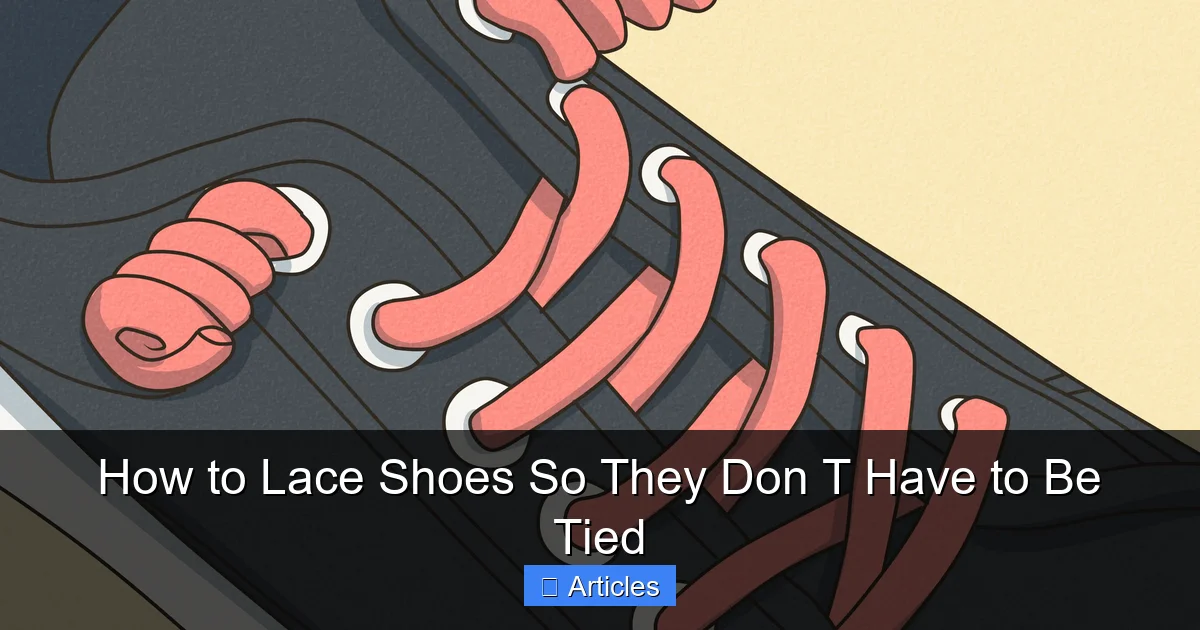
One of the easiest and most reliable no-tie solutions is switching to elastic laces. These stretchy cords replace standard flat laces and use a simple loop-and-hook design to stay secure. Brands like EasyOn, ShoeLaces, and even DIY versions using rubber bands offer this option.
How It Works
Elastic laces come with metal or plastic hooks at both ends. You lace your shoes normally, then attach the hooks to the eyelets at the top of each shoe. The elastic stretches slightly when you pull your foot in, creating tension that holds everything tight. When you step out, the material compresses, keeping your shoes snug without a knot.
Pros & Cons
- Pros: Super secure, easy to use, works on most shoes, reusable.
- Cons: Slightly thicker than regular laces, may not fit narrow or vine eyelets.
Installation Tips
– Start by threading the elastic through the bottom two eyelets on each side.
– Work upward evenly, alternating sides to avoid twisting.
– Leave a few inches of slack at the top before attaching the hooks.
– Test the tension by stepping in and out—adjust hooks if needed.
Elastic laces are ideal for runners, commuters, and parents of young kids who need fast, reliable closures.
Method 2: Hidden Knots (Look Like Regular Lacing)
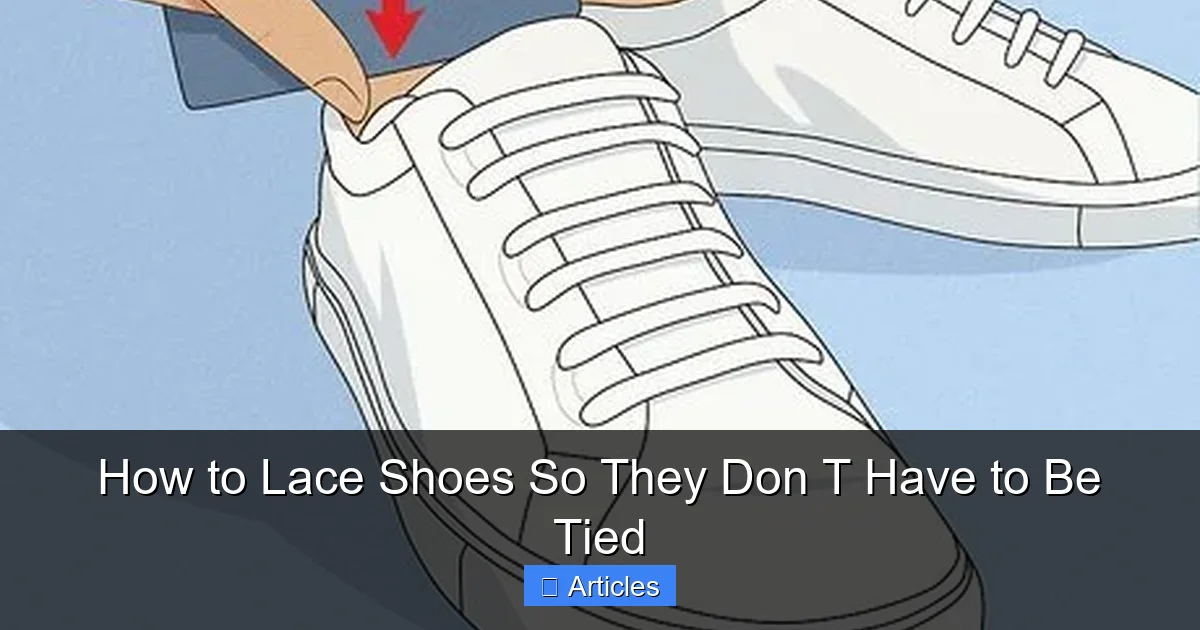
Visual guide about How to Lace Shoes So They Don T Have to Be Tied
Image source: wikihow.com
Want the appearance of tied shoes without the actual knot? Try the hidden knot method. This trick uses a small, tucked knot at the base of your shoe, completely concealed by the tongue and upper material.
Step-by-Step Guide
1. Lace your shoes as usual, leaving a short tail at the bottom.
2. After the last criss-cross, thread the left lace end through the bottom hole on the right side (not across).
3. Pull both laces up tightly so the knot forms inside the shoe near the heel.
4. Tuck the knot and any extra lace length under the tongue or between layers of fabric.
Why It Works
Because the knot sits low and is compressed by the shoe’s structure, it rarely comes undone. It’s also invisible, giving your shoes a clean, professional look. This method works best on shoes with a sturdy tongue and flexible uppers.
Pro Tip
Use shorter laces to minimize excess material that might peek out. For added security, double-knot the lace ends before tucking.
This technique is perfect for dress shoes, loafers, or any occasion where you want a polished look without the daily ritual.
Method 3: Loop Lock System (Secure Without Knots)
Visual guide about How to Lace Shoes So They Don T Have to Be Tied
Image source: helpshoe.com
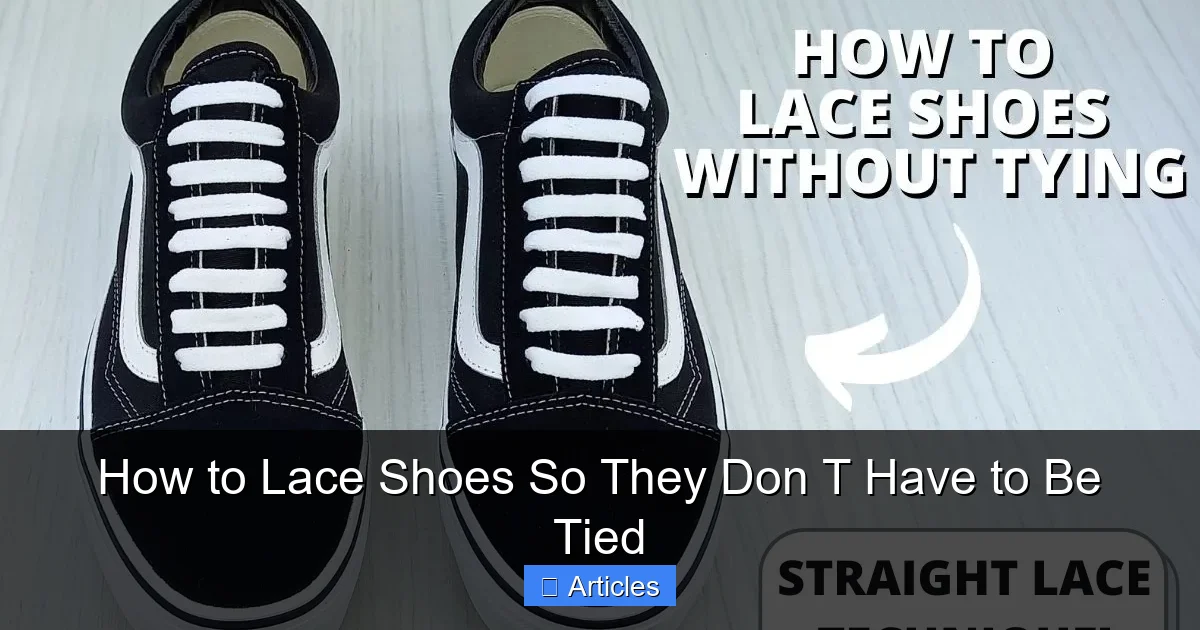
The loop lock system is a clever variation of traditional lacing that eliminates the need for a knot entirely. It relies on creating a series of interlocking loops that hold tension through friction and shape.
How to Lace
1. Start by lacing straight across the bottom two eyelets.
2. Instead of crossing diagonally, go straight up the next eyelet on the same side.
3. Continue this “straight up” pattern until you reach the top.
4. At the final eyelet pair, form a small loop by threading the lace end through itself before pulling tight.
What Happens Next
The loop acts like a stopper—when you step in, the pressure pulls the loop tighter, locking the lacing in place. There’s no knot to loosen, just consistent compression. This method distributes pressure evenly across the foot, reducing hot spots.
Best For
Athletic shoes, hiking boots, and any footwear used for high-impact activities. Because it doesn’t rely on a single point of failure (like a knot), it’s more durable under stress.
Method 4: Boa Knit System (Tech-Powered Closure)
For those who want precision and adjustability, the Boa Knit system—used in high-end running and cycling shoes—offers a dial-based closure. While not exactly “lacing,” it’s worth mentioning because it achieves a no-tie, no-knot result.
How It Works
A micro-adjustable dial rotates a spool that tightens a steel cable connected to the shoe’s laces. Turn the dial to cinch or loosen the fit instantly. Once set, the dial locks in place, and the cable maintains tension indefinitely.
Advanes
– Instant, precise tightening
– Even pressure distribution
– Reusable and durable
– No slipping or loosening
Limitations
– Only available on select premium models
– Higher cost ($100–$300 per pair)
– Not replaceable if broken
Still, for serious athletes or individuals with specific foot needs, the Boa system is a game-changer. It’s the gold standard in no-tie footwear technology.
Method 5: Kids’ No-Tie Lacing (Independence Made Easy)
Helping kids learn to tie shoes can take weeks—or never happen. No-tie lacing offers a solution that promotes independence while ensuring safety and comfort.
Recommended Methods for Children
– **Elastic laces:** Bright colors and fun designs make them appealing.
– **Hidden knot with supervision:** Teach the concept early so they understand the idea of a “secret knot.”
– **Loop lock with visual guides:** Use colored tape or stickers on eyelets to show the straight-up path.
Tips for Parents
– Start with elastic laces for toddlers and preschoolers.
– Gradually introduce knot concepts once they’re comfortable.
– Praise effort, not perfection—independence builds confidence.
Many schools now use no-tie systems for PE uniforms, recognizing that kids spend more time playing than tying shoes.
Method 6: DIY No-Tie Lacing (Save Money & Get Creative)
You don’t need specialty products to go no-tie. With a few household items, you can create your own system.
Materials Needed
– Elastic cord or old rubber bands
– Small plastic clips or binder rings
– Scissors
DIY Elastic Hook Setup
1. Cut elastic cord to your desired length.
2. Attach one end to the bottom eyelet with a clip.
3. Thread the other end through the top eyelet and secure it with another clip.
4. Repeat for the opposite side.
5. Stretch and release to test tension.
This method costs pennies and works on almost any shoe. Just remember to check clips weekly for wear.
Bonus: No-Tie for Boots
For tall boots, try the “heel lock” method: after lacing normally, loop the lace around the ankle eyelet and pull tight. This adds extra stability without a knot.
Frequently Asked Questions
Can I still adjust my no-tie shoes if they feel too tight?
Yes! Elastic laces and loop lock systems allow micro-adjustments. For elastic laces, move the hooks up or down the eyelets. For loop locks, simply unthread the final loop slightly and retighten. Boa systems have dials for instant changes.
Will no-tie lacing work on all types of shoes?
Most modern sneakers and athletic shoes with standard eyelets work well. Older or narrow shoes may require modification. Avoid shoes with very thick soles or non-traditional closures unless you’re comfortable experimenting.
Are no-tie laces safe for outdoor activities?
Absolutely. Elastic laces and loop lock systems are designed for durability and resistance to impact. They’re commonly used in hiking, running, and military applications where reliability matters.
Do I need special tools to install no-tie systems?
Not really. Elastic laces come with hooks and are easy to install with bare hands. For DIY versions, you might use a clip or binder ring, which are widely available. No sewing or complex tools required.
Can I wash my shoes with no-tie laces?
Yes, but remove elastic laces first if possible. Machine-washable elastic laces exist, but hand-washing delicate ones preserves longevity. Always air-dry to maintain elasticity.
How do I know which method is right for me?
Consider your lifestyle: choose elastic laces for everyday use, hidden knots for style, loop locks for sports, and Boa systems for precision. Test one method first—most are reversible if you change your mind.