What Is The Outside Bottom Of A Shoe Called | Parts of a Sole Explained
Most people wear shoes every day without thinking much about how they are made or what each part is called. One of the most important parts of any shoe is the outside bottom—the part that touches the ground when you walk. But what is it actually called?
The outside bottom of a shoe is commonly called the sole, but in footwear terminology, it is more specifically divided into different parts such as the outsole, midsole, and insole.
Understanding these terms helps you make better choices when buying shoes, especially from brands like Nike or Adidas, where design and technology vary between sole types.
In this detailed guide, we’ll break down What Is The Outside Bottom Of A Shoe Called, how it works, its different parts, materials used, and why it matters for comfort, durability, and performance.
What Is The Outside Bottom Of A Shoe Called:
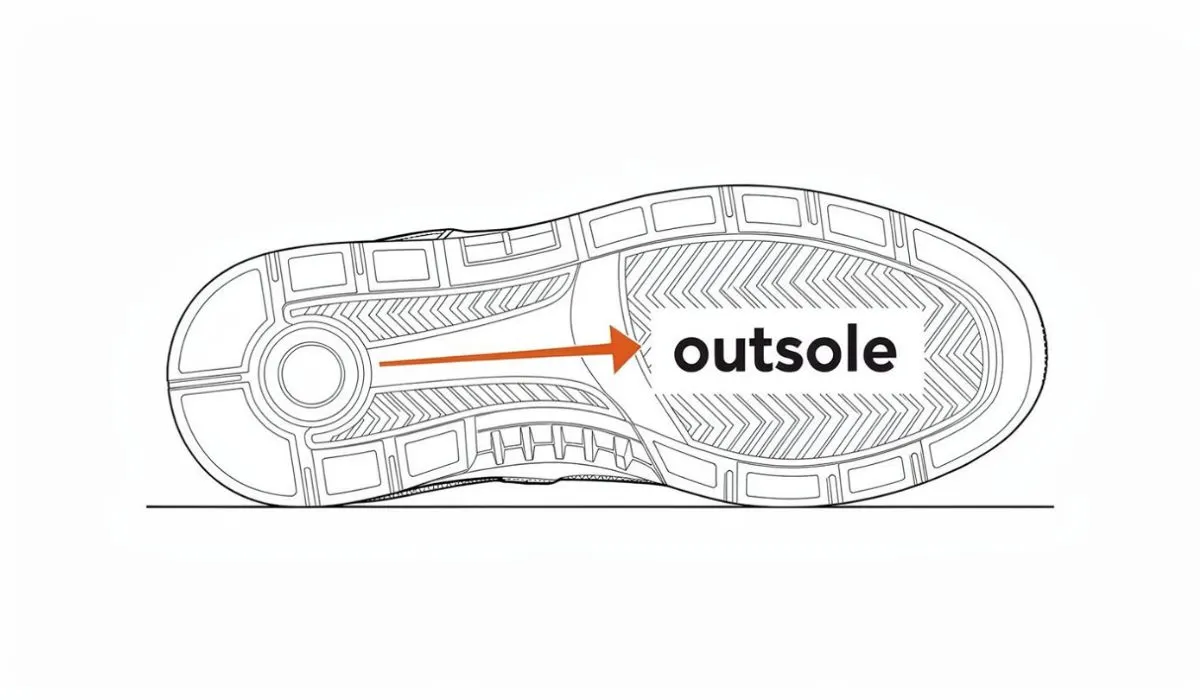
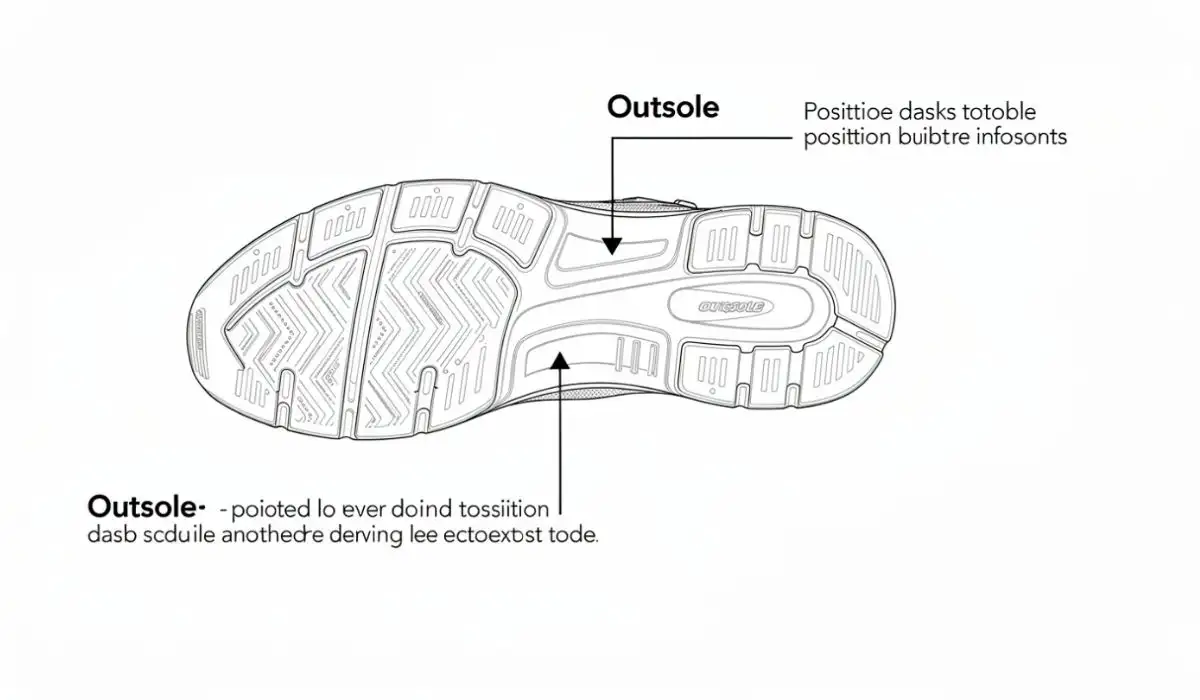
The outside bottom of a shoe is called the outsole.
Definition
The outsole is the lowest part of the shoe that comes in direct contact with the ground.
It is responsible for:
- Grip and traction
- Protecting the shoe from wear
- Providing stability while walking or running
So when someone refers to the “bottom of the shoe,” they usually mean the outsole.
Full Structure of a Shoe Sole:
To understand shoes better, it helps to know that the “sole” is not just one piece. It has three main layers:
1. Outsole (Bottom Layer)
This is the part that touches the ground.
Functions
- Provides grip and traction
- Prevents slipping
- Protects inner layers of the shoe
- Handles friction and rough surfaces
Materials used
- Rubber (most common)
- Carbon rubber (for durability)
- Foam rubber (lightweight shoes)
The outsole is the most durable part of the shoe because it faces constant contact with surfaces like roads, floors, and terrain.
Read next: What Are Training Shoes
2. Midsole (Middle Layer)
The midsole sits between the outsole and insole.
Functions
- Provides cushioning
- Absorbs shock while walking or running
- Supports foot movement
Materials used
- EVA foam (lightweight cushioning)
- Polyurethane
- Air or gel technology in advanced shoes
The midsole is what makes sneakers feel soft and comfortable.
3. Insole (Top Inner Layer)
The insole is the part inside the shoe where your foot rests.
Functions
- Adds comfort
- Supports arch of the foot
- Helps with fit and hygiene
Materials used
- Foam
- Gel padding
- Memory foam
Some insoles are removable and replaceable.
Why the Outsole Is So Important:
The outsole is one of the most important parts of a shoe because it directly affects:
1. Grip and Safety
A good outsole prevents slipping.
Example
- Rubber outsoles grip better on wet surfaces
- Patterned soles improve traction
This is especially important for sports and rainy conditions.
2. Durability
The outsole takes the most damage from walking.
A strong outsole:
- Lasts longer
- Prevents shoe breakdown
- Protects inner layers
3. Comfort and Stability
While cushioning comes from the midsole, the outsole helps with:
- Balance
- Ground control
- Stability during movement
4. Performance in Sports
Different sports require different outsole designs.
For example:
- Running shoes → flexible outsole
- Basketball shoes → high-grip outsole
- Training shoes → stable flat outsole
Types of Outsoles:
Different shoes have different outsole designs depending on their purpose.
1. Rubber Outsole
Features
- Strong grip
- Long-lasting
- Common in sneakers
Best for
- Daily wear
- Running shoes
- Training shoes
2. Carbon Rubber Outsole
Features
- Extremely durable
- Resistant to wear
- Slightly heavier
Best for
- Heavy-use shoes
- Outdoor activities
3. EVA Outsole
Features
- Lightweight
- Soft cushioning
- Less durable than rubber
Best for
- Casual sneakers
- Lightweight running shoes
4. Treaded Outsole
Features
- Deep patterns
- Excellent traction
- Anti-slip design
Best for
- Hiking shoes
- Outdoor sports
5. Flat Outsole
Features
- Even surface
- Stable base
- Minimal grip patterns
Best for
- Weightlifting shoes
- Training shoes
How Outsoles Affect Shoe Performance:
The outsole design determines how a shoe behaves.
For running
- Flexible outsole helps forward movement
- Lightweight design reduces fatigue
For gym training
- Flat outsole improves stability
- Strong grip supports balance
For walking
- Moderate cushioning reduces impact
- Durable rubber increases lifespan
Outsole Patterns and What They Mean:
The design on the bottom of shoes is not random.
1. Herringbone Pattern
- Common in basketball shoes
- Provides multi-directional grip
2. Circular Patterns
- Helps with pivoting
- Used in training shoes
3. Linear Grooves
- Supports forward motion
- Found in running shoes
4. Deep Lugs
- Used in hiking shoes
- Improves traction on rough ground
Materials Used in Modern Shoe Outsoles:
Modern shoe companies use advanced materials to improve performance.
Brands like Nike and Adidas invest heavily in outsole technology.
Common materials include
- Rubber compounds
- Foam blends
- Carbon-based materials
- Eco-friendly recycled rubber
Some modern shoes also use partially recycled materials to reduce environmental impact.
How to Know When the Outsole Is Worn Out:
You should replace shoes when:
- Grip becomes weak
- Sole becomes smooth
- Uneven wear appears
- Cracks or holes develop
Worn-out outsoles can lead to slipping and discomfort.
Difference Between Sole and Outsole:
Many people confuse these terms.
Sole
- Entire bottom structure of the shoe
Outsole
- Only the bottom layer that touches the ground
So the outsole is part of the sole system, not the entire sole itself.
Why Understanding Shoe Parts Matters:
Knowing shoe anatomy helps you:
- Choose better shoes
- Improve comfort
- Increase durability
- Avoid foot pain
- Understand product quality
For example, a strong outsole is essential if you walk a lot, while cushioning matters more for running.
Last Call:
The outside bottom of a shoe is called the outsole, and it plays a crucial role in grip, durability, and stability. It works together with the midsole and insole to create a complete footwear system.
Understanding how the outsole works helps you make smarter choices when buying shoes—whether for sports, walking, or everyday use.
Brands like Nike and Adidas continue to innovate outsole technology to improve comfort, performance, and safety.
In simple terms, the outsole is the foundation of every step you take—literally the part that connects you to the ground.
FAQs:
1. What is the outside bottom of a shoe called?
The outside bottom of a shoe is called the outsole, which is the part that directly touches the ground.
2. What is the difference between outsole and sole?
The sole refers to the entire bottom part of the shoe, while the outsole is only the outer layer that comes in contact with the ground.
3. Why is the outsole important?
The outsole provides grip, prevents slipping, protects the shoe from wear, and helps with stability while walking or running.
4. What materials are used in outsoles?
Common materials include rubber, carbon rubber, EVA foam, and sometimes recycled materials for eco-friendly designs.
5. How do I know if my shoe outsole is worn out?
If the bottom becomes smooth, loses grip, or shows cracks and uneven wear, it means the outsole needs replacement.
6. Are all outsoles the same?
No. Different shoes have different outsole designs depending on purpose—running, walking, training, or hiking.
7. Which shoes have the best outsoles?
Sports brands like Nike and Adidas design advanced outsoles with better grip and durability for performance and comfort.
8. Can outsole damage affect walking?
Yes. A damaged outsole can reduce grip, cause slipping, and lead to discomfort or foot pain while walking.