Gait Analysis For Running Shoes | Find the Perfect Fit for Your Stride
Choosing running shoes is not just about style, brand, or color. One of the most important factors that determines comfort, performance, and injury prevention is gait analysis. Many runners experience foot pain, shin splints, or knee discomfort simply because they are wearing the wrong type of shoe for their natural running style.
Gait analysis helps solve this problem by studying how you walk and run so you can select shoes that match your movement pattern. Whether you are a beginner jogger or a long-distance runner, understanding gait analysis can completely change your running experience.
In this detailed guide, we’ll explore Gait Analysis For Running Shoes , how it works, types of running gait, how it affects shoe selection, and how major brands like Nike and Adidas use it to design better running shoes.
What Is Gait Analysis?
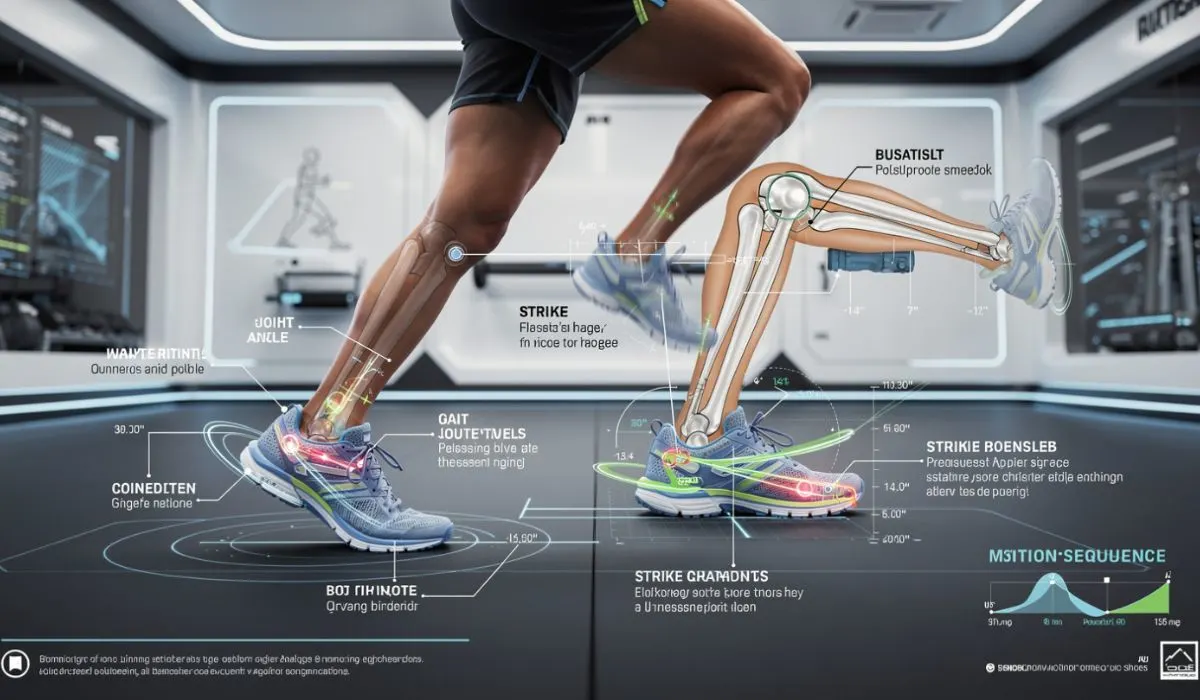
Gait analysis is the study of how a person walks and runs. It looks at:
- Foot movement
- Step pattern
- Pressure distribution
- Body alignment during motion
In simple terms, gait analysis helps understand how your feet hit the ground and how your body moves while running.
This information is then used to recommend the most suitable type of running shoe.
Why Gait Analysis Is Important for Running Shoes:
Not all feet move the same way. If you wear the wrong type of shoe, it can lead to:
- Foot pain
- Knee strain
- Shin splints
- Hip discomfort
- Poor running performance
Gait analysis helps prevent these issues by matching your movement pattern with the right shoe design.
How Gait Analysis Works:
Gait analysis can be done in different ways:
1. Visual Observation
A professional watches you run on a treadmill or flat surface.
They observe:
- Foot strike pattern
- Body posture
- Knee alignment
2. Video Analysis
High-speed cameras record your running motion.
This helps identify:
- Heel strike or forefoot strike
- Overpronation or supination
- Step symmetry
3. Pressure Mapping Technology
Some advanced stores use pressure sensors to measure:
- Where your foot applies force
- Balance distribution
- Impact zones
4. Treadmill Analysis
You run on a treadmill while your movement is recorded and analyzed in real time.
Types of Running Gait:
There are three main types of gait patterns:
1. Neutral Gait
A neutral gait is considered the ideal running pattern.
Characteristics
- Foot lands evenly
- Slight inward roll (normal pronation)
- Balanced weight distribution
Shoe recommendation
Neutral running shoes with balanced cushioning.
2. Overpronation
Overpronation means the foot rolls too much inward after landing.
Signs
- Shoes wear out on inner side
- Flat feet or low arches
- Possible knee pain
Shoe recommendation
Stability shoes with extra arch support.
3. Supination (Underpronation)
Supination means the foot rolls outward instead of inward.
Signs
- Wear on outer edge of shoes
- High arches
- Reduced shock absorption
Shoe recommendation
Cushioned shoes with flexible midsoles.
How Gait Affects Running Shoe Choice:
Your gait determines what type of shoe you need.
Neutral runners
- Balanced shoes
- Medium cushioning
- Flexible design
Overpronators
- Stability shoes
- Arch support
- Motion control features
Supinators
- Extra cushioning
- Soft midsoles
- Shock absorption focus
Benefits of Gait Analysis:
Gait analysis is not just for professional athletes. It benefits everyone.
1. Injury Prevention
Proper shoes reduce stress on joints and muscles.
2. Improved Comfort
Shoes feel more natural and comfortable when matched to your gait.
3. Better Performance
Efficient movement leads to improved running speed and endurance.
4. Long-Term Foot Health
Correct shoe support prevents chronic foot problems.
Who Should Get a Gait Analysis?
Gait analysis is useful for:
- Beginner runners
- Marathon runners
- People with foot pain
- Athletes training regularly
- Anyone buying running shoes for the first time
Gait Analysis in Sports Shoe Brands:
Major brands use gait science in shoe design.
For example:
- Nike uses motion data to design cushioned and stability-based running shoes
- Adidas incorporates biomechanical testing in shoe development
These brands design shoes for different gait types to improve performance and comfort.
Read Next: What Is The Outside Bottom Of A Shoe
How to Do Basic Gait Analysis at Home:
You don’t always need professional equipment. You can do a simple test at home.
Step 1: Wet Foot Test
- Wet your foot
- Step on a dry surface
- Observe footprint shape
Results
- Full footprint → flat feet (overpronation)
- Half arch visible → neutral gait
- Narrow outer edge → supination
Step 2: Wear Pattern Check
Look at old shoes:
- Inner sole wear → overpronation
- Outer sole wear → supination
- Even wear → neutral gait
Common Mistakes in Shoe Selection:
1. Choosing shoes based on looks only
Style should not be the main factor.
2. Ignoring foot type
Wrong shoe type leads to discomfort.
3. Using worn-out shoes
Old shoes lose support and cushioning.
4. Not trying shoes before buying
Fit is essential for comfort.
How Gait Analysis Helps Beginners:
Beginners often struggle with:
- Muscle fatigue
- Incorrect posture
- Foot pain
Gait analysis helps them start with the right shoes, reducing injury risk.
Running Shoe Types Based on Gait:
Here is a simple breakdown:
Neutral shoes
- Balanced cushioning
- For normal gait
Stability shoes
- Support for inward rolling
- For overpronation
Motion control shoes
- Strong support
- For severe overpronation
Cushioned shoes
- Soft impact protection
- For supination
Signs You Are Wearing the Wrong Running Shoes:
- Frequent foot pain
- Knee or hip discomfort
- Uneven shoe wear
- Blisters or hotspots
- Feeling unstable while running
If you notice these signs, gait analysis may help correct your shoe choice.
Final Thoughts:
Gait analysis is one of the most important tools for choosing the right running shoes. It helps you understand how your body moves and ensures that your footwear supports your natural motion.
Whether you are a beginner jogger or an experienced runner, knowing your gait can significantly improve comfort, performance, and injury prevention.
Brands like Nike and Adidas use advanced gait research to design shoes that match different running styles, proving how important biomechanics is in modern footwear.
In simple terms, gait analysis is not just about shoes—it’s about understanding your body and helping it move better, safer, and more efficiently.
FAQs:
1. What is gait analysis in simple words?
Gait analysis is the study of how you walk and run. It looks at how your feet land, how your body moves, and how pressure is distributed to help choose the right running shoes.
2. Why is gait analysis important for running shoes?
It helps you pick shoes that match your running style, which reduces injury risk, improves comfort, and enhances running performance.
3. Can I do gait analysis at home?
Yes. Simple methods like the wet foot test or checking wear patterns on old shoes can give you a basic idea of your gait type.
4. What are the main types of gait?
The three main types are neutral gait, overpronation (foot rolls inward), and supination (foot rolls outward).
5. What shoes should I wear for overpronation?
Stability or motion-control shoes are recommended because they provide extra arch support and help control inward rolling of the foot.
6. What shoes are best for supination?
Cushioned running shoes are best because they provide extra shock absorption and reduce pressure on the outer foot.
7. Do beginners need gait analysis?
Yes, it is very helpful for beginners because it ensures they start with the correct shoe type and avoid early injuries.
8. Do brands like Nike and Adidas use gait analysis?
Yes, brands like Nike and Adidas use gait research and biomechanics testing to design running shoes for different foot types and running styles.