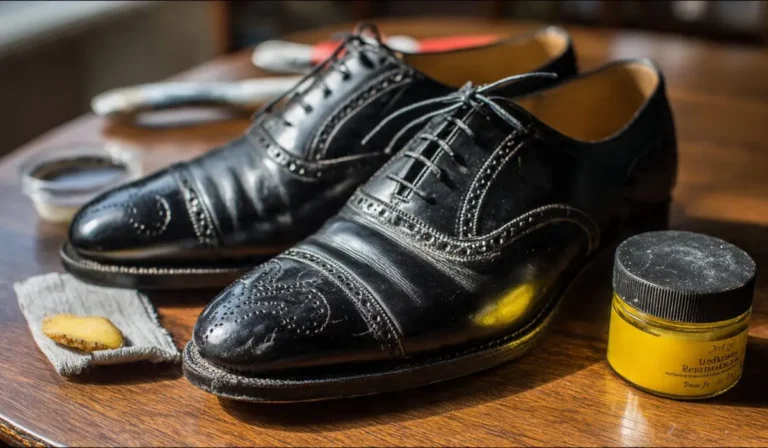
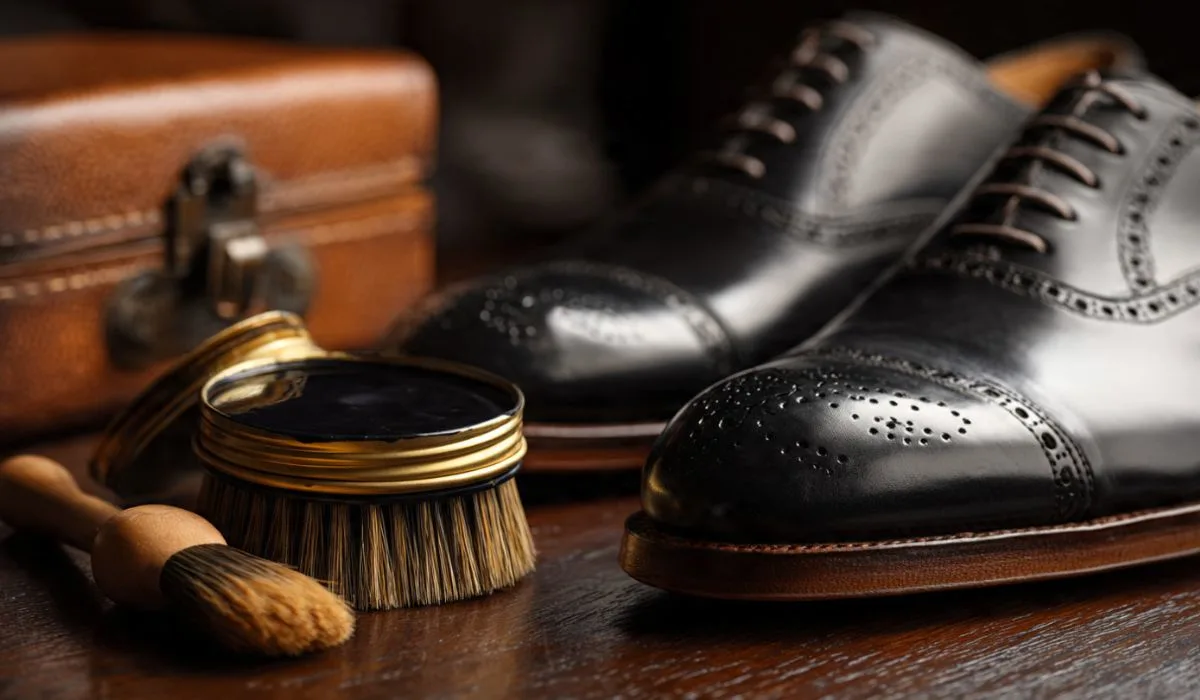
How to Make Black Shoe Polish at Home (DIY Natural Recipe)
Black shoes are a symbol of elegance, professionalism, and timeless style. Whether for office wear, formal events, or daily use, keeping them polished is essential for maintaining a sharp appearance.
However, commercial shoe polish can sometimes be expensive, chemical-heavy, or unavailable when you need it most. That’s why learning How to Make Black Shoe Polish at Home is a practical and valuable skill.
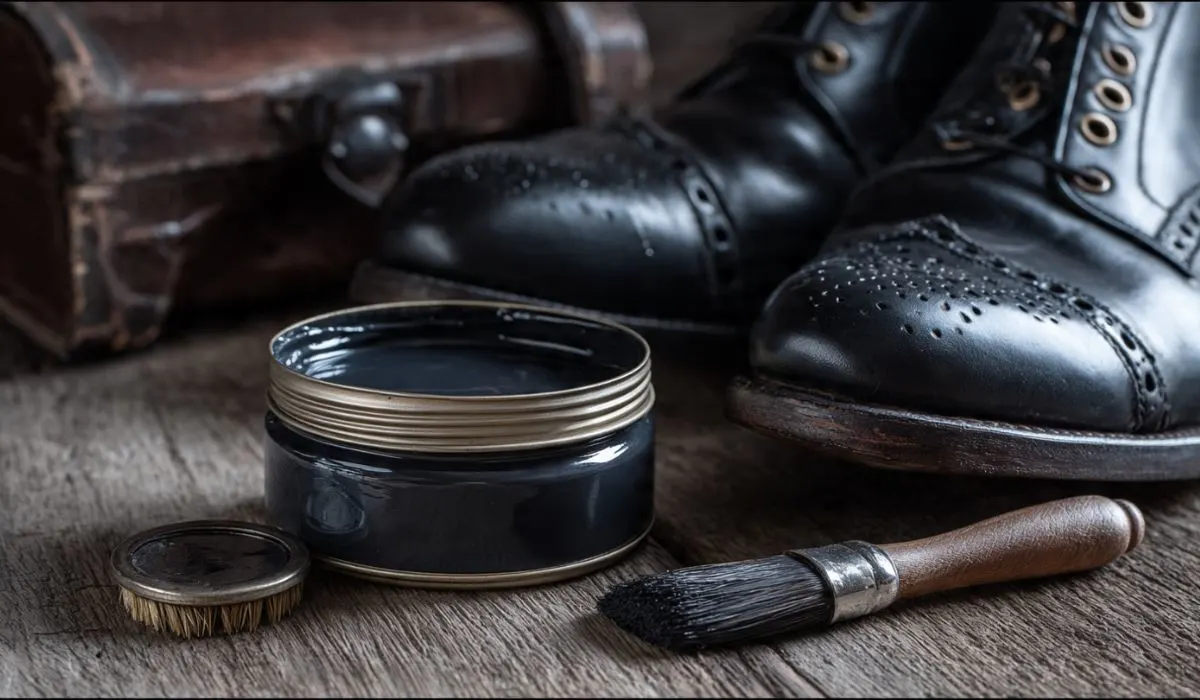
Why Make Black Shoe Polish at Home?
Homemade shoe polish is not just a backup option—it has several advanes.
Key benefits:
- Cost-effective and budget-friendly
- Uses natural or easily available ingredients
- Free from harsh chemicals
- Easy to customize consistency and shine
- Eco-friendly alternative
It is especially useful for quick shoe maintenance or emergency situations.
What Does Shoe Polish Do?
Before making it, understand its purpose:
- Restores black color intensity
- Adds shine and gloss
- Protects leather from drying
- Covers scuffs and scratches
- Improves shoe appearance
A good polish works as both a color enhancer and protective layer.
Read Next: How to Shine Black Shoes
How to Make Black Shoe Polish at Home:
You can make DIY polish using simple household items.
Common ingredients:
- Beeswax or candle wax
- Coconut oil or olive oil
- Activated charcoal or black pigment (for color)
- Petroleum jelly (optional shine booster)
How to Make Black Shoe Polish at Home (DIY Natural Recipe):
Method 1: Easy Homemade Black Shoe Polish (Wax-Based)
This is one of the most effective DIY methods.
Ingredients:
- 2 tablespoons beeswax (or candle wax)
- 1 tablespoon coconut oil
- 1 teaspoon activated charcoal powder
Step 1: Melt the Wax
- Place beeswax in a small container
- Use double boiler method
- Heat until fully melted
Important:
Do not overheat directly on flame.
Step 2: Add Coconut Oil
- Mix coconut oil into melted wax
- Stir gently until smooth
Why this matters:
Oil keeps polish soft and easy to apply.
Step 3: Add Black Pigment
- Add activated charcoal powder
- Mix thoroughly until color is even
Result:
You will get a smooth black paste.
Step 4: Cool and Store
- Pour mixture into small container
- Let it cool and solidify
- Store with tight lid
Method 2: Quick DIY Shoe Polish (No Wax Needed)
If you want a fast solution:
Ingredients:
- Petroleum jelly
- Charcoal powder or black pencil graphite
- A few drops of olive oil
Step 1: Mix Ingredients
- Combine petroleum jelly and charcoal powder
- Add olive oil for smooth texture
Step 2: Stir Well
- Mix until color is evenly distributed
- Adjust consistency if needed
Step 3: Ready to Use
This version is quick, soft, and easy to apply.
Step 3: How to Apply Homemade Black Shoe Polish
Making polish is only half the process. Application matters more.
Step 1: Clean Shoes First
- Remove dust and dirt
- Wipe surface with dry cloth
Step 2: Apply Thin Layer
- Use soft cloth or sponge
- Apply polish evenly
Step 3: Let It Sit
- Wait 5–10 minutes
- Allow absorption
Step 4: Buff Shine
- Use clean dry cloth
- Rub in circular motion
Result:
Shoes will look darker and shinier.
Step 4: How to Store Homemade Shoe Polish
Proper storage ensures longer usability:
- Use airtight container
- Keep in cool dry place
- Avoid direct sunlight
- Label container properly
Expert Insight on Shoe Care:
Leather shoes require regular conditioning and polishing to maintain flexibility, prevent cracking, and preserve appearance.
According to footwear care principles supported by the Nike, proper maintenance helps extend shoe durability and improves long-term performance.
Even DIY polishing methods can be effective when combined with proper cleaning and buffing techniques.
Effective Tips for Best Results:
- Always clean shoes before applying polish
- Use thin layers for better absorption
- Buff shoes thoroughly for shine
- Reapply polish only when needed
- Store shoes properly after polishing
- Avoid overusing oil-based polish
Common Mistakes to Avoid:
- Applying polish on dirty shoes
- Using too much oil (causes greasy finish)
- Skipping buffing step
- Overheating wax during preparation
- Using low-quality pigments that stain unevenly
Benefits of Homemade Black Shoe Polish:
1. Affordable Solution
Uses cheap and accessible ingredients.
2. Customizable Formula
You can adjust shine and texture.
3. Chemical-Free Option
Safer for leather compared to harsh polish.
4. Emergency Use
Perfect when store polish is unavailable.
5. Eco-Friendly
Reduces packaging waste and chemicals.
When to Use Homemade Shoe Polish?
This DIY polish is ideal for:
- Daily office shoes
- Formal leather shoes
- Quick shine before events
- Emergency shoe care
For heavily damaged leather, professional treatment may still be required.
Alternative Natural Shoe Shine Options:
1. Olive Oil Shine
Softens leather and adds light gloss.
2. Banana Peel Method
Quick natural shine booster.
3. Coconut Oil Polish
Deep conditioning effect.
How Often Should You Polish Shoes?
- Light use: once a week
- Regular office use: 2–3 times per week
- Occasional use: as needed
Final Thoughts:
Learning how to make black shoe polish at home is a practical and useful skill that saves money and provides a chemical-free alternative for shoe care.
With simple ingredients like wax, oil, and natural pigments, you can create an effective polish that restores shine and improves shoe appearance.
FAQs:
1. Can I really make shoe polish at home?
Yes, using wax, oil, and pigment works effectively.
2. Is homemade shoe polish safe for leather?
Yes, if used in moderation.
3. What can I use instead of charcoal powder?
You can use graphite powder or black wax crayons.
4. How long does homemade polish last?
Usually 1–2 months if stored properly.
5. Does homemade polish shine shoes like store polish?
It gives good shine but may be slightly softer than commercial polish.
6. Can I use cooking oil in shoe polish?
Yes, but in very small amounts.
7. Will homemade polish damage shoes?
No, if applied correctly and not overused.