What Are Training Shoes Good For | Benefits for Gym, HIIT, and Cross-Training
Training shoes are one of the most versatile types of athletic footwear available today. You’ve probably seen them in gyms, on fitness trainers, or worn casually on the street—but many people still wonder: what exactly are training shoes good for?
Unlike running shoes or lifestyle sneakers, training shoes are designed for multi-purpose movement. They are built to handle different types of exercise, including strength training, agility workouts, and light cardio. Because of this versatility, they have become a popular choice for both athletes and everyday users.
In this detailed guide, we’ll explore what Are Training Shoes Good For , their benefits, limitations, and how they compare to other types of footwear.
What Are Training Shoes?
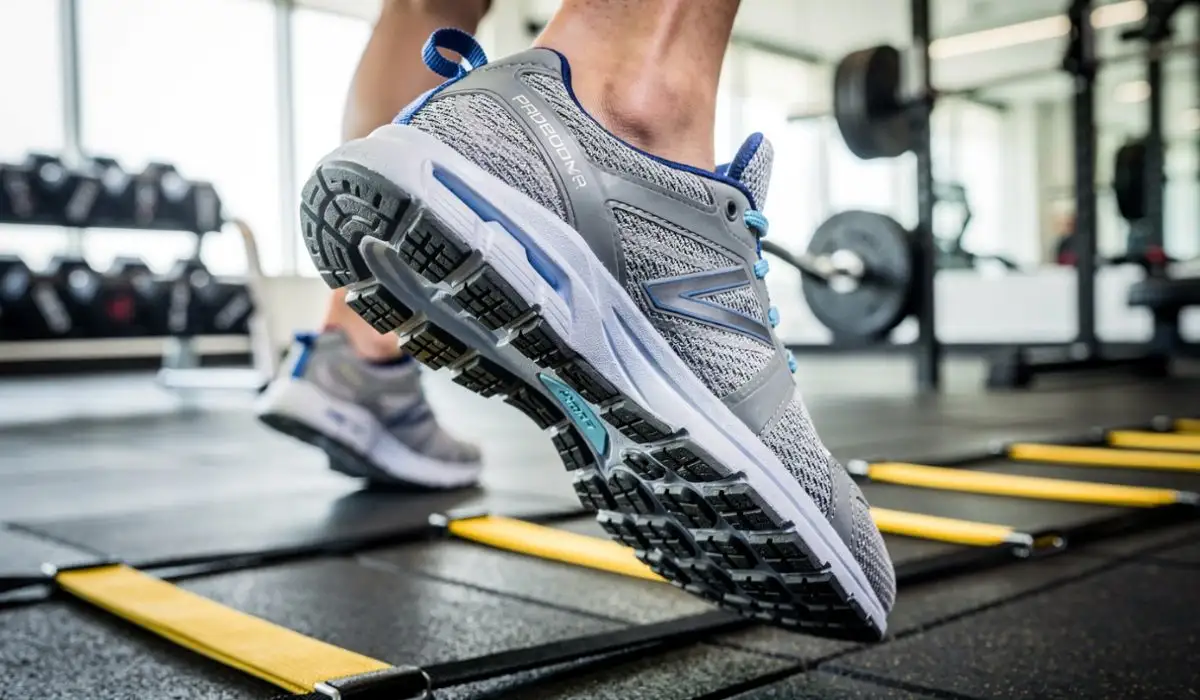
Training shoes (also called cross-training shoes) are athletic shoes designed for multiple types of physical activities. They are not limited to one movement pattern like running or walking shoes.
Brands like Nike, Adidas, and Reebok produce training shoes that are built to handle gym workouts, agility drills, and general fitness training.
Key features include:
- Stable sole for balance
- Moderate cushioning
- Durable outer material
- Lateral support for side movement
- Flexible forefoot for agility
These features make them different from running shoes, which are designed mainly for forward motion.
Read Next: How Shoes Are Made From Recycled
What Are Training Shoes Good For?
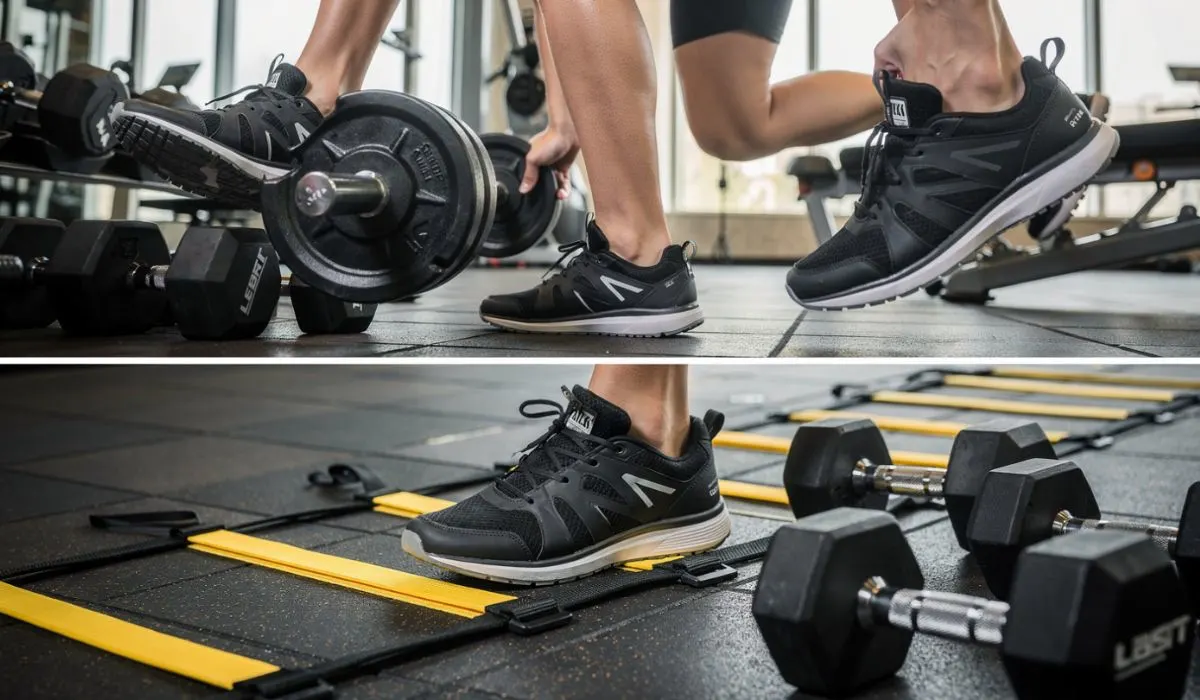
Training shoes are good for a wide variety of activities. Let’s break down their main uses.
1. Gym Workouts
One of the primary uses of training shoes is gym exercise.
Why they are good for gym use:
- Stable base for weightlifting
- Support during squats and lunges
- Grip for machine workouts
- Balanced cushioning for comfort
Unlike running shoes, training shoes do not have overly soft soles, which helps maintain balance during heavy lifts.
2. Strength Training
Training shoes are especially useful for strength-based workouts.
They help with:
- Deadlifts
- Squats
- Bench exercises
- Resistance training
The flat and firm sole improves stability, which is essential for lifting weights safely.
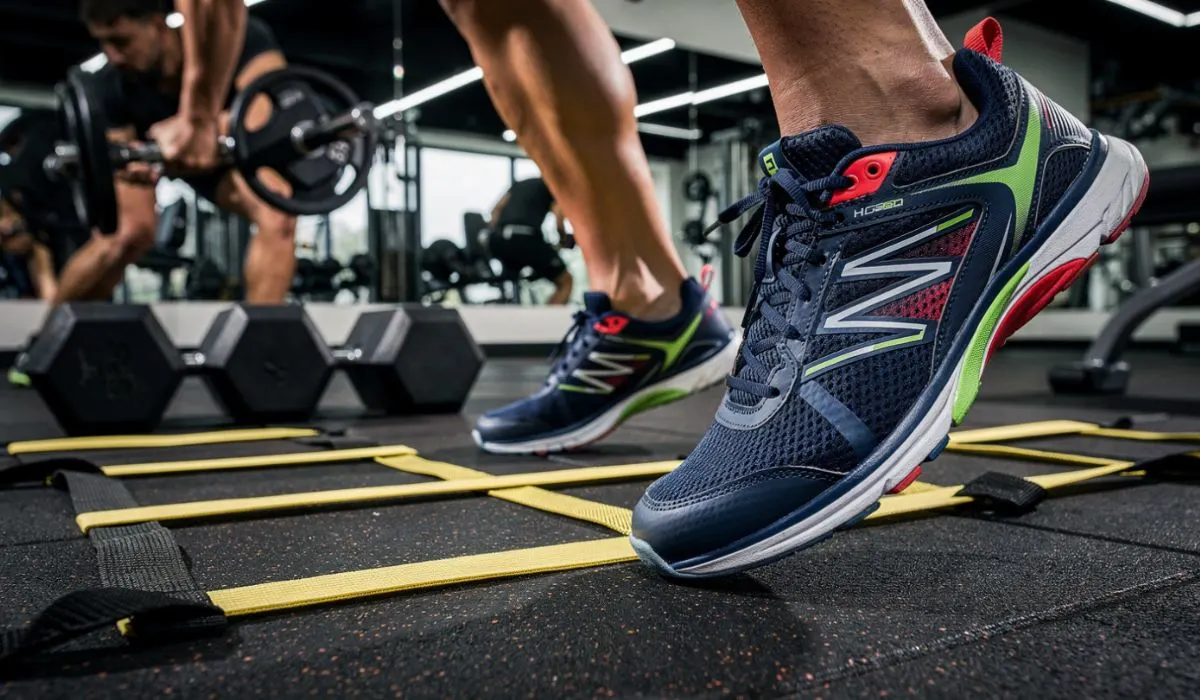
3. Cross-Training Exercises
Cross-training includes a mix of different workout styles.
Training shoes are designed exactly for this purpose.
Activities include:
- Circuit training
- HIIT workouts
- Functional fitness routines
- Bootcamp-style training
Because they support multiple movements, they are ideal for dynamic workouts.
4. Agility and Lateral Movement
Training shoes are great for side-to-side motion.
Benefits:
- Strong lateral support
- Better balance during quick direction changes
- Reduced risk of ankle twisting
This makes them useful for sports drills and agility exercises.
5. Light Cardio Workouts
Training shoes can handle light cardio such as:
- Treadmill walking
- Stationary cycling
- Step exercises
- Short jogging sessions
However, they are not designed for long-distance running.
6. Everyday Casual Wear
Many people also use training shoes for daily activities.
Why they work for casual use:
- Comfortable fit
- Modern sporty look
- Durable construction
- Versatile styling
They pair well with jeans, joggers, and athletic outfits.
7. Travel and Walking
Training shoes are good for travel because they are:
- Lightweight
- Comfortable for long periods
- Suitable for walking in airports or cities
However, for very long walks, dedicated walking shoes may feel more comfortable.
8. Indoor Sports Training
Training shoes are often used for indoor sports practice such as:
- Gym training sessions
- Indoor fitness classes
- Functional movement drills
They provide grip and stability on smooth indoor surfaces.
What Training Shoes Are NOT Good For
While training shoes are versatile, they are not perfect for everything.
1. Long-Distance Running
Training shoes are not ideal for running long distances because:
- Cushioning is not optimized for repetitive forward motion
- They are heavier than running shoes
- Lack of specialized shock absorption
Running shoes are better for this purpose.
2. Hiking or Rough Terrain
Training shoes are not designed for uneven outdoor surfaces.
They lack:
- Deep traction soles
- Waterproof protection
- Ankle support for rugged terrain
For hiking, trail shoes or boots are better.
3. Heavy Outdoor Sports
Sports like football or basketball require specialized footwear for safety and performance.
Training shoes may not provide enough sport-specific support.
Benefits of Training Shoes:
1. Versatility
They can be used for many types of workouts.
2. Stability
Great for weightlifting and strength training.
3. Durability
Built to handle intense physical movement.
4. Comfort
Moderate cushioning makes them comfortable for gym sessions.
5. Style
Modern designs make them suitable for casual fashion.
Training Shoes vs Running Shoes:
Training Shoes:
- Best for gym workouts
- Stable and firm
- Multi-directional support
Running Shoes:
- Best for forward motion
- Highly cushioned
- Lightweight for long runs
In simple terms:
- Training shoes = strength + gym
- Running shoes = cardio + distance
Training Shoes vs Walking Shoes:
Training Shoes:
- Better for workouts
- More stability
- Less soft cushioning
Walking Shoes:
- Better for long walks
- Softer sole
- Designed for repetitive stepping
How to Choose the Right Training Shoes:
When buying training shoes, consider:
1. Fit and Comfort
They should fit snugly but not tightly.
2. Sole Stability
Look for a flat, firm base for lifting.
3. Breathability
Mesh uppers help keep feet cool.
4. Grip and Traction
Good grip prevents slipping during workouts.
5. Flexibility
Forefoot flexibility helps with agility movements.
Popular Training Shoe Brands:
Many sports brands offer high-quality training shoes.
Examples include:
- Nike
- Adidas
- Reebok
These brands design shoes specifically for gym and cross-training performance.
Who Should Use Training Shoes?
Training shoes are ideal for:
- Gym-goers
- Fitness enthusiasts
- Athletes doing mixed workouts
- People who want one versatile shoe
- Casual users who like sporty style
Who Should Avoid Training Shoes?
You may want a different shoe if you:
- Run long distances regularly
- Hike often on rough terrain
- Need orthopedic support for medical conditions
- Prefer ultra-soft walking shoes
Last Call:
Training shoes are one of the most versatile footwear options available today. They are designed for gym workouts, strength training, cross-training, and general fitness activities. Their stable design, durability, and comfort make them a great choice for people who engage in multiple types of exercise.
Brands like Nike, Adidas, and Reebok have made training shoes an essential part of modern fitness culture.
However, they are not perfect for everything. For long-distance running or hiking, specialized footwear is still better.
Ultimately, training shoes are best for people who want one reliable shoe for gym workouts, light cardio, and everyday active use.
FAQs:
1. What are training shoes mainly used for?
Training shoes are mainly used for gym workouts, strength training, cross-training, and fitness exercises that involve multiple types of movement.
2. Can I use training shoes for running?
You can use them for short or light jogging, but they are not ideal for long-distance running because running shoes provide better cushioning and support for forward motion.
3. Are training shoes good for gym workouts?
Yes. They are one of the best options for gym use because they provide stability, grip, and support for exercises like squats, lunges, and weightlifting.
4. Can I wear training shoes every day?
Yes. Training shoes are comfortable and stylish enough for daily casual wear, walking, and travel.
5. What is the difference between training shoes and running shoes?
Training shoes are designed for multi-directional movement and gym workouts, while running shoes are designed for forward motion and long-distance running.
6. Are training shoes good for walking?
Yes, they are good for short to medium walks, but walking shoes may feel more comfortable for long-distance walking.
7. Which brands make good training shoes?
Popular brands include Nike, Adidas, and Reebok, known for durable and performance-focused training footwear.
8. Should beginners buy training shoes?
Yes. Training shoes are a great choice for beginners because they are versatile and can be used for many types of workouts without needing multiple pairs.