
Why Shoes Smell | Causes, Prevention & Easy Solutions
If your shoes smell bad even after cleaning them, you’re not alone. Shoe odor is usually caused by sweat, bacteria, moisture, and poor ventilation rather than sweat itself. Your feet contain thousands of sweat glands, and when sweat becomes trapped inside warm, damp shoes, bacteria can break down compounds in the sweat and create unpleasant odors.
The good news is that most smelly shoes can be improved with better foot hygiene, proper drying, ventilation, and regular shoe cleaning.
Quick facts:
- Sweat itself is mostly odorless.
- Bacteria can create odor as they break down sweat and skin debris.
- Damp shoes provide an ideal environment for odor-producing microorganisms.
- Wearing the same shoes every day can make odor worse.
- Poor ventilation allows moisture to remain trapped inside the shoe.
Fact: Foot sweat contains water, salts, and other substances that can support microbial activity when it remains inside a warm shoe.
What Actually Makes Shoes Smell?

The unpleasant smell generally develops from a combination of moisture and microorganisms.
When your feet sweat, moisture is absorbed by socks, insoles, and the inside of your shoes. Bacteria then interact with sweat, dead skin cells, and other organic material.
This process can produce volatile compounds responsible for the characteristic smell.
Sweat Is Not Usually the Main Problem
It is easy to assume that sweat itself smells bad, but fresh sweat is generally not strongly odorous.
The bigger problem is what happens after sweat remains in an enclosed environment.
- Feet produce moisture
- Socks absorb some of that moisture
- Shoes absorb additional moisture
- The inside remains warm
- Bacteria multiply
- Odor-producing compounds accumulate
Why Feet Sweat So Much
Feet are among the areas of the body with a high concentration of sweat glands.
Sweating helps regulate body temperature, but inside shoes, the moisture has nowhere to evaporate quickly.
Factors That Increase Foot Sweat
Your feet may become especially sweaty because of:
- Hot weather
- Exercise
- Tight shoes
- Non-breathable materials
- Thick socks
- Long periods of standing or walking
- Stress or nervousness
- Wearing shoes for many hours
Fact: The warmer and more humid the environment inside a shoe becomes, the more favorable it can be for microorganisms that contribute to odor.
Why Do Shoes Smell Worse When They Are Wet?
Moisture is one of the biggest contributors to persistent shoe odor.
Wet shoes take longer to dry, allowing moisture to remain around the insole, padding, lining, and seams.
What Happens Inside Damp Shoes?
A damp shoe can create a cycle:
- Feet sweat.
- Moisture enters the shoe.
- The shoe remains warm.
- Bacteria have access to moisture and organic material.
- Odor-producing compounds develop.
- The smell becomes stronger over time.
Simply covering the smell with fragrance does not solve the underlying moisture problem.
Can Wearing the Same Shoes Every Day Cause Odor?
Yes. Wearing the same pair every day can contribute significantly to persistent odor.
Shoes need time to dry between uses.
Why Shoe Rotation Helps
Having two or more pairs allows each pair to:
- Dry completely
- Release trapped moisture
- Air out
- Reduce prolonged dampness
- Recover between uses
Fact: Allowing shoes to dry fully between wears is one of the simplest ways to reduce recurring odor.
Do Socks Cause Smelly Shoes?
They can contribute, especially when socks hold sweat against the feet for extended periods.
Dirty or heavily worn socks can transfer:
- Sweat
- Skin cells
- Bacteria
- Oils
- Dirt
into the shoe.
Choosing Better Socks
For people prone to sweaty feet, consider socks that help manage moisture.
Useful characteristics include:
- Moisture-wicking fabric
- Breathable construction
- Proper fit
- Quick-drying material
- Clean socks for each wear
Avoid wearing damp socks inside shoes.
Can Insoles Make Shoes Smell?
Absolutely. Insoles can absorb substantial amounts of sweat and moisture.
Because they sit directly underneath your feet, they can become one of the most odor-prone parts of the shoe.
Signs Your Insoles Are Causing Odor
Look for:
- Persistent smell after washing the shoe
- Dampness around the footbed
- Discoloration
- Strong odor immediately after wearing
- Odor returning quickly after cleaning
If the manufacturer’s instructions permit it, removable insoles can often be washed or replaced separately.
Read Next: How Long to Break In Running Shoes Before a Marathon?
Why Do Shoes Smell Even After Washing?

This is a common frustration.
Washing may remove surface dirt without completely eliminating odor-causing moisture or microorganisms trapped deep inside the shoe.
Possible Reasons the Smell Returns
- Shoes were not completely dried
- Insoles remained damp
- Odor-producing residue remained inside
- Shoes were worn again too soon
- The same socks were used repeatedly
- The shoes were stored in a closed space while damp
- The source of the odor is actually the feet
Fact: Cleaning a shoe without thoroughly drying it can allow odor to return quickly.
How Shoe Material Affects Odor
Different materials handle moisture differently.
Synthetic Shoes
Some synthetic materials may provide less airflow than highly breathable fabrics.
If moisture becomes trapped inside, odor may develop more quickly.
Mesh Shoes
Mesh generally allows more airflow, which can help moisture evaporate.
However, mesh can still become smelly if:
- It becomes saturated with sweat
- It isn’t dried properly
- The insole remains damp
- The shoe is worn continuously
Canvas Shoes
Canvas can be relatively breathable, but it can also absorb moisture.
Proper drying is especially important after washing.
Leather Shoes
Leather requires specific care and should not automatically be soaked or machine washed.
Allow leather footwear to air out according to the manufacturer’s care instructions.
Can Tight Shoes Cause Bad Odor?

Tight footwear can contribute to odor because it may reduce airflow and increase heat and moisture around the feet.
Poorly fitting shoes can also increase sweating and create more friction.
What a Better Fit Can Do
A properly fitted shoe should provide:
- Enough toe room
- Appropriate width
- Comfortable support
- Adequate ventilation
- Enough space for normal foot movement
Why Do Shoes Smell More in Summer?
Hot and humid weather can make shoe odor more noticeable.
Higher temperatures can increase sweating, while humidity slows evaporation.
Summer Shoe Odor Triggers
- Increased perspiration
- Humidity
- Wearing closed shoes for long periods
- Wet socks
- Outdoor activities
- Insufficient drying time
Keeping shoes dry and allowing them to ventilate can make a significant difference.
Does Exercise Make Shoes Smell?
Exercise can make shoe odor stronger because physical activity generally increases sweating.
Running, walking, gym workouts, and sports can introduce substantial moisture into socks and shoes.
After Exercise
Don’t immediately place sweaty shoes into a closed bag.
Instead:
- Remove the insoles if appropriate
- Loosen the laces
- Open the shoe
- Let moisture escape
- Allow the footwear to dry completely
- Wash or change sweaty socks
How to Stop Shoes From Smelling
The best approach is to control moisture, bacteria, and ventilation rather than simply masking the smell.
1. Let Shoes Dry Completely
After wearing shoes, place them somewhere dry and well ventilated.
Avoid sealing damp shoes inside:
- Plastic bags
- Closed gym bags
- Small enclosed cabinets
2. Rotate Your Shoes
Don’t rely on one pair every day if you can avoid it.
Alternating pairs gives each shoe additional drying time.
3. Wash Socks Regularly
Always wear clean socks.
If your feet sweat heavily, changing socks during the day may help keep moisture under control.
4. Keep Feet Clean and Dry
Wash your feet regularly and dry them carefully, especially between the toes.
Fact: Reducing moisture on the feet can reduce the amount of moisture transferred into shoes.
5. Clean Shoes According to Their Material
Follow the manufacturer’s care instructions.
For machine-washable fabric shoes, a gentle cycle and cold water are generally safer than aggressive washing.
For leather or suede, use appropriate material-specific cleaning methods.
How to Remove Odor From Shoes Naturally
Some simple household approaches may help reduce odor, but they should be used carefully.
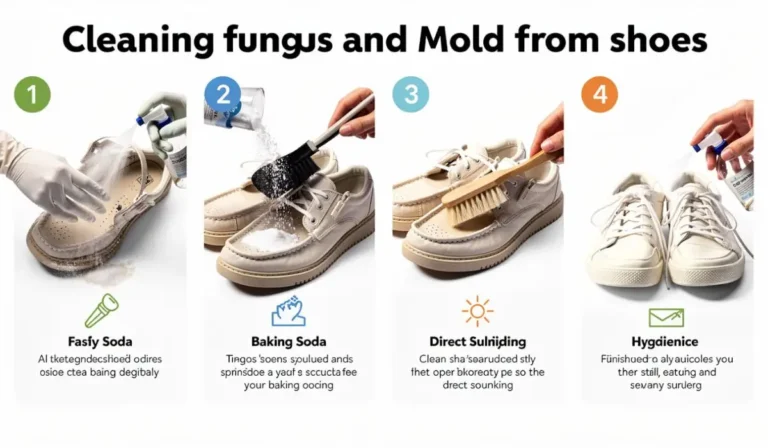
Baking Soda
Baking soda is commonly used to absorb odors.
A small amount can be placed inside dry shoes and left for several hours before being removed.
Avoid leaving excessive powder where it could irritate the feet or damage certain materials.
Air and Sunlight
Ventilation can help reduce moisture.
Some footwear may tolerate indirect or gentle sunlight, but avoid prolonged intense heat because it can damage adhesives, finishes, or materials.
Fact: Drying is more important than simply adding fragrance to a smelly shoe.
Can You Use Vinegar on Smelly Shoes?
Vinegar is sometimes suggested as a household odor-control method, but it isn’t appropriate for every shoe material.
It may potentially affect:
- Leather finishes
- Dyes
- Certain synthetic materials
- Adhesives
Always check the manufacturer’s cleaning guidance and test any cleaning solution on a hidden area when appropriate.
Can You Put Smelly Shoes in the Washing Machine?
Some shoes can be machine washed, while others should never be placed in a washer.
Machine Washing May Be Suitable For
Depending on manufacturer instructions:
- Canvas sneakers
- Some mesh shoes
- Some synthetic sneakers
- Certain fabric footwear
Use a gentle cycle, cold water, and low spin when machine washing is permitted.
Avoid Machine Washing
Generally avoid putting these in a washing machine unless the manufacturer explicitly says otherwise:
- Suede
- Delicate leather
- Shoes with electronic components
- Shoes with fragile decorations
- Specialty footwear
How to Dry Smelly Shoes Properly
Drying is one of the most important steps in controlling recurring odor.
After cleaning:
- Remove removable insoles
- Loosen the laces
- Open the shoe as much as possible
- Place shoes in a well-ventilated area
- Allow them to dry completely
- Make sure the interior is dry before wearing
Avoid high heat unless the manufacturer specifically permits it.
Why High Heat Can Be a Problem
Excessive heat can:
- Damage adhesives
- Deform foam
- Shrink certain fabrics
- Affect synthetic materials
- Change the shape of the shoe
When Shoe Odor May Be Coming From Your Feet
Sometimes the shoe isn’t the only source of the smell.
If your feet remain unusually sweaty or develop persistent odor even after washing and changing footwear, the source may be related to foot moisture or another foot condition.
Signs to Pay Attention To
Consider getting professional medical advice if you notice:
- Persistent unusual odor despite good hygiene
- Itching
- Burning
- Peeling skin
- Cracking
- Significant redness
- Sores
- Other unexplained changes
Persistent foot problems shouldn’t simply be covered with deodorizing products.
Common Mistakes That Make Shoe Odor Worse
Avoid these habits if you’re trying to keep shoes fresh.
Wearing Shoes While They Are Still Damp
Damp footwear quickly becomes smelly again.
Better: Let shoes dry completely before wearing them.
Spraying Fragrance Without Cleaning
Perfume or shoe spray may temporarily cover an odor but doesn’t necessarily remove the source.
Better: Clean, dry, and ventilate the shoes first.
Keeping Shoes in a Closed Bag
A closed bag traps moisture.
Better: Allow shoes to air out before storing them.
Wearing the Same Pair Every Day
Repeated use doesn’t give the footwear enough time to dry.
Better: Rotate shoes when possible.
Reusing Sweaty Socks
Dirty socks can transfer moisture and odor-producing microorganisms back into clean shoes.
Better: Change into fresh socks.
A Simple Daily Routine to Prevent Smelly Shoes
You don’t need a complicated routine.
Morning:
- Put on clean, dry socks.
- Make sure shoes are completely dry before wearing them.
After work or exercise:
- Remove shoes promptly.
- Take out removable insoles if appropriate.
- Open the shoes for ventilation.
Before storage:
- Make sure footwear is dry.
- Store shoes somewhere with reasonable airflow.
- Avoid sealing damp shoes in containers.
Quick Facts About Smelly Shoes
- Fact: Sweat is generally not strongly smelly when it first leaves the body.
- Fact: Bacterial activity can create many of the compounds associated with foot odor.
- Fact: Moisture makes odor problems more likely.
- Fact: Insoles can retain sweat and contribute to recurring odor.
- Fact: Wearing clean socks helps reduce odor transfer.
- Fact: Shoe rotation gives footwear more time to dry.
- Fact: Fragrance can mask odor without eliminating its source.
- Fact: High heat can damage some shoe materials.
- Fact: Not every shoe is suitable for machine washing.
- Fact: Persistent foot symptoms may require professional evaluation.
Final Answer: Why Do Shoes Smell?
Shoes smell mainly because sweat and moisture become trapped inside a warm, enclosed environment, allowing bacteria and other microorganisms to produce odor-causing compounds. Wearing the same shoes repeatedly, using non-breathable footwear, leaving shoes damp, and wearing sweaty socks can all make the problem worse.
The most effective strategy is simple: keep feet clean and dry, wear fresh socks, ventilate shoes, rotate footwear, clean shoes appropriately, and allow them to dry completely before wearing them again.
FAQs
Why do my shoes smell so bad?
Excess moisture, sweat, bacteria, dirty socks, and poor ventilation are common causes. The smell can become stronger when shoes are worn repeatedly without enough drying time.
How do I stop my shoes from smelling?
Keep your feet dry, wear clean socks, rotate shoes, ventilate footwear, clean them according to their material, and make sure they dry completely.
Why do my shoes smell after washing?
They may not have dried completely. Moisture can remain inside padding, insoles, or seams and cause the odor to return.
Does baking soda really help smelly shoes?
Baking soda can help absorb odors, particularly when placed in dry shoes for several hours. It should be removed before wearing the shoes.
Can I wash smelly shoes in the washing machine?
Some fabric and synthetic shoes can be machine washed if the manufacturer permits it. Use a gentle cycle and cold water, then dry them thoroughly.
Why do my shoes smell even when my feet are clean?
Shoes and insoles can retain moisture and odor-producing residue even when your feet are clean. Cleaning and thoroughly drying the footwear can help.
How often should I wash my shoes?
There is no universal schedule. Clean them when they become visibly dirty, develop persistent odor, or according to the manufacturer’s care instructions.
Does wearing the same shoes every day make them smell?
It can. Repeated daily use gives moisture less time to evaporate. Rotating shoes can provide additional drying time.
Why do shoes smell more in summer?
Hot and humid conditions can increase sweating and slow moisture evaporation, creating a more favorable environment for odor-producing microorganisms.
How long should shoes dry after washing?
Drying time varies by material, airflow, humidity, and how wet the shoes became. Don’t rely on a fixed number of hours—make sure the entire shoe, especially the inside and insole, is completely dry before wearing.