
What Are The Best Insoles For Your Shoes | A Complete Guide to Comfort
The best insoles for your shoes depend on what you need most: arch support, cushioning, shock absorption, stability, or relief from everyday foot fatigue. A good insole can improve how your feet feel inside sneakers, work shoes, boots, walking shoes, and other footwear by providing additional support where the original footbed may fall short.
However, there is no single insole that is perfect for everyone. Your foot shape, arch type, activity level, shoe design, and the type of discomfort you experience all matter. Some people need firm arch support, while others benefit more from soft cushioning or heel protection.
This guide explains what to look for when choosing the best insoles for your shoes, the different types available, and how to find a comfortable option for everyday use.
What Makes an Insole Good for Your Shoes?
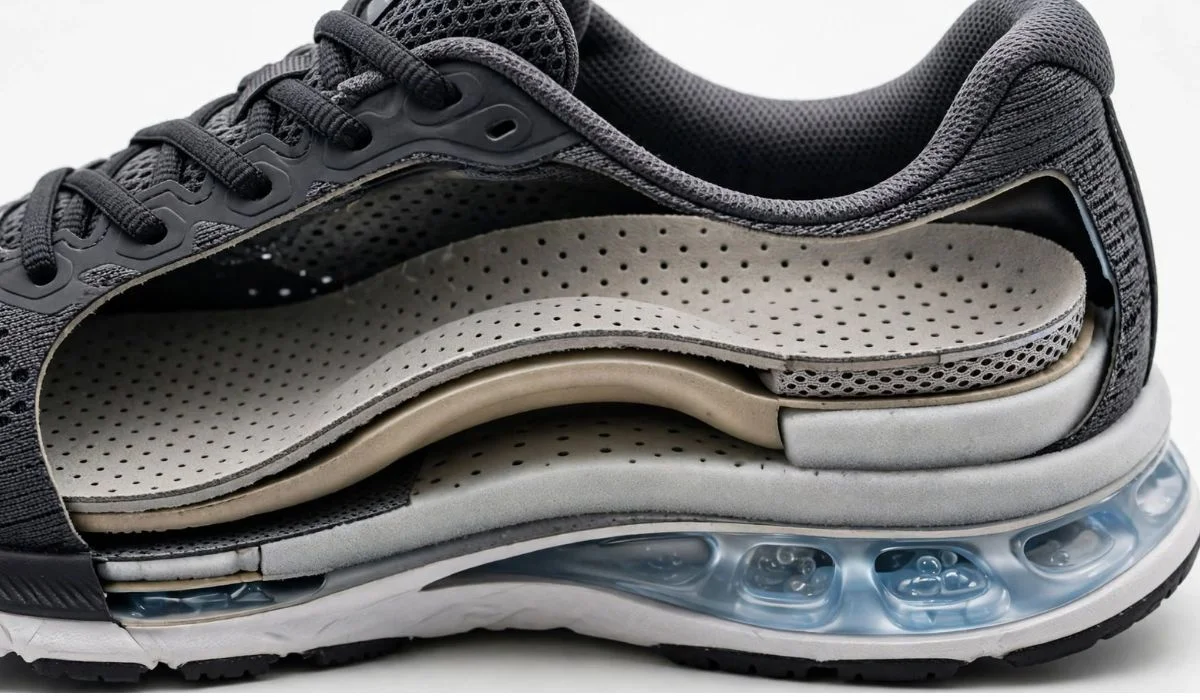
A quality insole should complement your foot and fit properly inside the shoe without making the footwear too tight. The right design can provide support while maintaining enough room for your toes to move naturally.
Key Features to Look For
When comparing insoles, pay attention to:
- Arch support: Helps support the middle portion of your foot.
- Heel cushioning: Can reduce the impact associated with walking and standing.
- Shock absorption: Useful for high-impact activities and hard surfaces.
- Breathable materials: Help manage moisture and heat.
- Proper fit: Prevents the insole from sliding or bunching.
- Durability: A good insole should retain its shape with regular use.
- Shoe compatibility: The insole should work with the specific type of shoe.
A highly cushioned insole isn’t automatically better. The best choice is the one that provides the appropriate balance of support, comfort, and space for your feet.
Best Insoles for Different Types of Shoes:

Different footwear requires different insole characteristics. An insole that works well in a running shoe may be too bulky for a dress shoe.
Best Insoles for Walking Shoes
Walking shoes generally benefit from moderate cushioning, supportive arch construction, and heel stability.
If you spend several hours walking each day, look for an insole that combines cushioning with a supportive base. Extremely soft foam may initially feel comfortable but may not provide enough structure for everyone.
Best Insoles for Running Shoes
Running puts considerably more repetitive impact on your feet than ordinary walking.
Running insoles should ideally be lightweight, secure, breathable, and compatible with the shoe’s existing design. Look for cushioning that doesn’t significantly reduce the shoe’s available toe-box space.
It’s also important not to assume that maximum cushioning is necessary for every runner. Comfort, fit, and individual preference should guide your selection.
Best Insoles for Work Boots
Work boots often have firm soles and are worn for long periods, making cushioning and support particularly important.
A supportive work-boot insole may include:
- Shock-absorbing heel cushioning
- Firm arch support
- A durable top layer
- Moisture-managing materials
- Reinforced heel and midfoot areas
If you stand on concrete or other hard surfaces for most of the day, cushioning can make your footwear feel more comfortable.
Best Insoles for Dress Shoes
Dress shoes typically have less interior space than athletic shoes, so thickness becomes an important consideration.
Thin or low-profile insoles are generally more practical for dress shoes. A thick insole can make the shoe feel tight and may change how your foot sits inside it.
For loafers and other shoes without traditional laces, a secure-fitting insole is especially important because excessive movement can cause discomfort.
Choose Insoles Based on Your Arch Type:
Arch support is one of the most commonly discussed factors when shopping for insoles. However, your arch height alone shouldn’t determine which insole you buy.
Low or Flat Arches
People with lower arches may prefer an insole with structured support through the midfoot.
A supportive design can help distribute pressure more evenly across the foot. However, an excessively aggressive arch shape can feel uncomfortable, so gradual adjustment is often preferable.
Medium or Neutral Arches
People with average arch profiles have many options available.
A moderate-support insole with balanced cushioning can be a good starting point if you don’t have a specific foot-support requirement.
High Arches
High arches may benefit from an insole that provides cushioning and support without creating excessive pressure underneath the arch.
A design with cushioning through the heel and forefoot can be particularly useful for people who find firm, rigid insoles uncomfortable.
What Are the Best Insoles for Standing All Day?

If your job requires prolonged standing, prioritize comfort, cushioning, and stable support rather than simply choosing the softest product available.
Features That Matter for Long Hours
Look for:
- Cushioned heel areas
- Supportive arch construction
- Shock-absorbing materials
- Breathable surfaces
- A stable base
- Proper heel positioning
Standing on hard flooring can make your feet feel tired even when your shoes appear comfortable. An appropriate insole can add another layer of cushioning and support.
Your shoes still matter, though. A worn-out or poorly fitting shoe cannot always be corrected with an insole.
Read Next: Best Insoles
What Are the Best Insoles for Heel Comfort?
If your main concern is discomfort around the heel, look for designs with cushioning concentrated around the heel area.
Heel Cups vs. Full-Length Insoles
A heel cup primarily surrounds and cushions the heel. It can be useful when you don’t want to replace the entire footbed.
Full-length insoles extend from the heel toward the toes and can provide broader support and cushioning.
The better option depends on the footwear and where you need support.
What Are the Best Insoles for Everyday Use?
For everyday sneakers and casual shoes, a medium-cushion insole with moderate support is often a practical starting point.
A Good Everyday Design
An everyday insole should ideally:
- Fit securely inside the shoe.
- Avoid squeezing the toes.
- Provide comfortable arch support.
- Cushion the heel without feeling unstable.
- Remain comfortable after extended wear.
- Work with your normal socks and footwear.
If you have no particular foot issue and simply want additional comfort, you don’t necessarily need an extremely rigid or highly specialized insole.
Should You Choose Cushioning or Arch Support?
This is one of the most important decisions when buying an insole.
When Cushioning Is the Priority
Choose a cushioning-focused design if your main goal is comfort and impact absorption during walking or standing.
Soft materials can make firm shoes feel more forgiving, particularly when you’re spending many hours on your feet.
When Support Is the Priority
A more structured insole may be preferable if you want additional stability or your feet feel unsupported by your existing footwear.
Keep in mind that “more support” doesn’t necessarily mean “better.” The support should match your foot and feel comfortable during movement.
How to Choose the Right Insole Size
Insole sizing isn’t always identical to shoe sizing, so check the manufacturer’s sizing information before purchasing.
Full-Length Insoles
Full-length insoles should generally correspond closely to your shoe size. If the insole is too long or wide, it may curl or interfere with the shoe’s construction.
Some models can be trimmed along a designated outline. If trimming is permitted, use your existing removable footbed as a template when possible.
3/4-Length Insoles
Three-quarter-length designs stop before the toes. They can be useful when you need support but don’t want to occupy as much space in the front of the shoe.
These can work particularly well in certain dress shoes and footwear with limited toe-box room.
How to Know if Your Insoles Fit Properly
A properly fitted insole should feel secure without creating new pressure points.
Signs of a Good Fit
You should generally notice:
- Your heel remains stable.
- Your toes have enough room.
- The insole doesn’t slide around.
- Your arch doesn’t feel painfully pressured.
- The shoe doesn’t become uncomfortably tight.
- Walking feels natural.
If you immediately experience significant pain, numbness, or pressure after inserting a new insole, don’t assume you simply need to “break it in.”
How Long Does It Take to Get Used to New Insoles?
Some people adapt quickly, while others need more time.
Start Gradually
If an insole feels substantially different from your original footbed, consider wearing it for shorter periods initially. Gradually increase use as long as it remains comfortable.
A new insole can change how your foot interacts with the shoe, so immediate all-day use may not be ideal for everyone.
If discomfort persists or becomes significant, discontinue use and consider professional advice.
How Often Should You Replace Insoles?
There isn’t one universal replacement schedule because durability depends on the material, usage, body weight, activity level, and footwear.
Watch for Signs of Wear
Consider replacing an insole when:
- Cushioning becomes noticeably compressed.
- The surface develops significant wear.
- The arch-support structure changes shape.
- The insole no longer stays in position.
- Your shoes feel different because the footbed has broken down.
- The insole develops permanent deformation.
Heavy daily use generally wears insoles faster than occasional use.
Can Insoles Make Shoes More Comfortable?
Yes, the right insole can make some shoes feel considerably more comfortable by adding cushioning or changing the way the foot is supported.
However, an insole isn’t a universal solution for poorly fitting footwear.
Don’t Ignore the Shoe Itself
Before buying an insole, check whether your shoes are:
- The correct length
- Wide enough
- Appropriate for your activity
- In good condition
- Providing enough room around the toes
If the shoe is already too tight, adding a thick insole can make the problem worse.
Common Mistakes When Buying Insoles
Choosing an insole based solely on price or maximum cushioning can lead to a poor fit.
Buying the Thickest Option
More foam doesn’t automatically mean more comfort. A thick insole may reduce interior shoe space and compress your toes.
Choosing the Wrong Support Level
An aggressive arch profile may feel uncomfortable if it doesn’t match your foot.
Ignoring Your Shoe Type
A bulky athletic insole isn’t necessarily appropriate for a narrow dress shoe.
Wearing Them Without Checking Fit
Always check whether the heel sits correctly and whether your toes still have enough room.
Are Expensive Insoles Better?
Not necessarily.
Price can reflect materials, construction, brand reputation, adjustability, or specialized design, but an expensive insole isn’t automatically the best match for your feet.
Focus on Function Rather Than Price
Instead of asking only how much an insole costs, consider:
- What problem are you trying to solve?
- What type of shoe will you use?
- Do you need cushioning or structure?
- Does the insole fit properly?
- Is it comfortable during your normal activities?
The right fit and appropriate design are generally more important than simply choosing the most expensive option.
When Should You Consider Professional Advice?
Most people can experiment with general comfort insoles, but persistent or significant foot discomfort deserves more attention.
Situations That Shouldn’t Be Ignored
Consider speaking with a qualified healthcare professional if you experience persistent pain, swelling, numbness, significant changes in walking, or symptoms that interfere with daily activities.
Custom orthotics may sometimes be recommended for specific foot or biomechanical needs, but they aren’t necessary for everyone.
Best Insole Buying Checklist
Before purchasing your next pair, run through this quick checklist:
- Shoe type: Sneakers, boots, work shoes, or dress shoes?
- Primary goal: Cushioning, support, stability, or comfort?
- Arch profile: Low, medium, or high?
- Thickness: Will the insole leave enough room?
- Length: Full-length or shorter design?
- Material: Foam, gel, or another construction?
- Activity: Walking, running, standing, or everyday use?
- Fit: Does it stay securely in place?
- Durability: Is it designed for your level of use?
- Return policy: Can you return it if the fit isn’t right?
Final Thoughts on the Best Insoles for Your Shoes
So, what are the best insoles for your shoes? The answer depends on your footwear, foot shape, activity, and comfort priorities. For everyday shoes, a moderately cushioned and supportive insole can be a sensible starting point. Work boots may benefit from durable cushioning and structured support, while running shoes require a lightweight design that works with the shoe’s existing fit.
The most important rule is simple: choose the insole that fits your shoe and your feet, rather than choosing one simply because it is highly cushioned, expensive, or popular.
A good insole should improve comfort without creating pressure, reducing toe space, or making your footwear unstable.
FAQs About the Best Insoles for Shoes
What are the best insoles for everyday shoes?
Moderately cushioned insoles with comfortable arch support are a good general option for many everyday shoes. The ideal choice depends on your foot shape and shoe fit.
Are gel or foam insoles better?
Neither is universally better. Gel can provide cushioning and impact absorption, while foam can offer a balance of cushioning, support, and lightweight comfort. The construction and fit matter more than the material name alone.
Can I put insoles in any shoes?
Not always. Most shoes can accommodate some type of insole, but available interior space varies. Shoes with limited room may require a thin or three-quarter-length design.
Should I remove the original shoe insole?
If the original footbed is removable, you can often replace it with a new insole. However, don’t automatically remove a permanently attached footbed. Check the shoe manufacturer’s instructions and make sure the replacement doesn’t create an improper fit.
How thick should shoe insoles be?
The appropriate thickness depends on the shoe and your foot. A thick insole may provide more cushioning but can reduce available space, while a thin design may work better in narrow footwear.
Are insoles good for standing all day?
The right insole can add cushioning and support for people who stand for long periods. However, comfortable, properly fitting shoes are equally important.
How do I know if my insole is too supportive?
If an insole creates significant pressure under your arch, causes new discomfort, or changes your walking comfort negatively, it may not be the right design or fit for you.
Can new insoles hurt your feet?
A new insole can feel different because it changes how your foot sits inside the shoe. Significant or persistent pain isn’t something you should simply tolerate, and the insole should be discontinued if it causes problematic symptoms.
How often should I change my shoe insoles?
Replace them when cushioning, support, or structural integrity has noticeably deteriorated. Heavy daily use can require more frequent replacement than occasional use.
Are custom orthotics better than regular insoles?
Custom orthotics are designed for specific individual needs and can be useful in certain circumstances, but they aren’t automatically better for everyone. Many people seeking general shoe comfort can use appropriately fitted off-the-shelf insoles.